Finance Minister warns rising fuel costs, capital flight risks, and supply disruptions are testing reforms as IMF signals tougher global outlook……
Nigeria’s economy is facing fresh pressure from a widening global crisis, with the Federal Government warning that the ongoing conflict in the Middle East is sending shockwaves through energy markets, inflation, and investment flows.
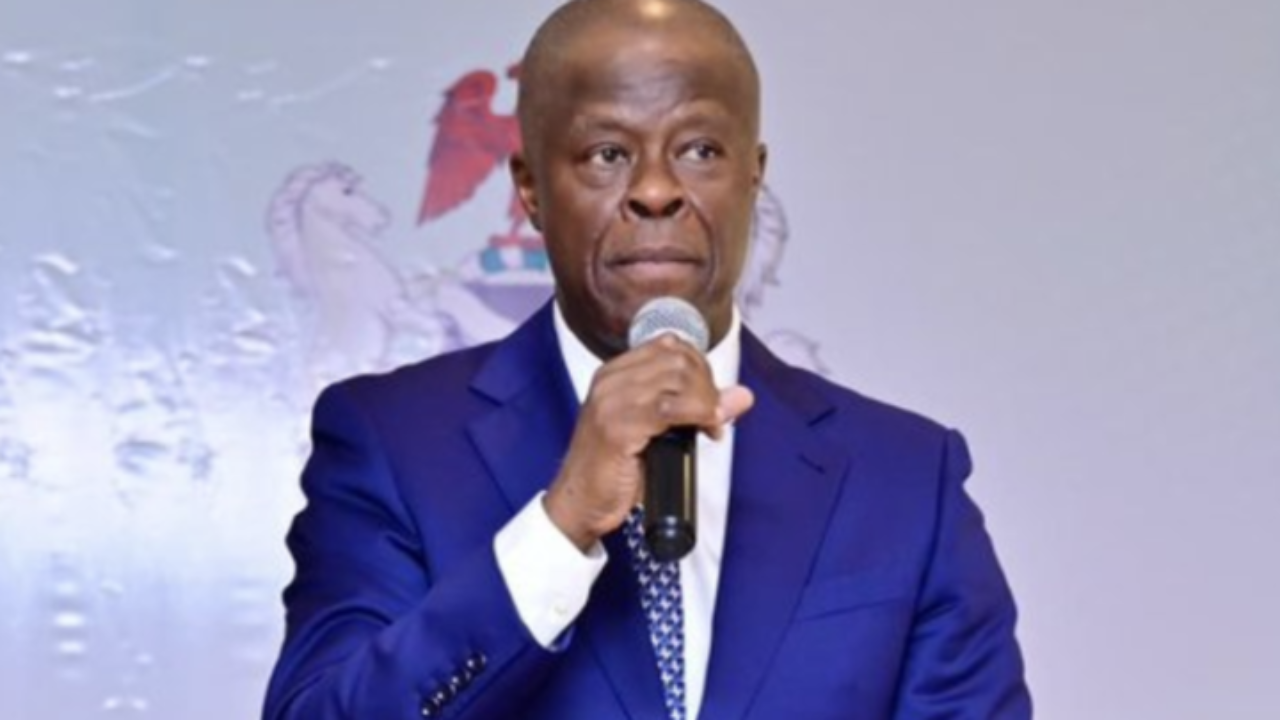
Minister of Finance and Coordinating Minister of the Economy, Wale Edun, said the country is grappling with a significant external shock at a time when it is still navigating a delicate economic transition.
In a statement released Monday, the minister noted that the crisis is amplifying existing challenges, including rising fuel prices, food inflation, and broader cost-of-living pressures affecting households and businesses.
The warning comes as global leaders gather in Washington for the IMF and World Bank Spring Meetings 2026, where policymakers are expected to confront the growing economic fallout from the conflict.
The International Monetary Fund has already signaled concern, projecting that as much as $50 billion in emergency financing may be required to support countries facing balance-of-payments shocks. Managing Director Kristalina Georgieva also warned that global growth forecasts are likely to be revised downward due to escalating energy costs, supply chain disruptions, and infrastructure damage linked to the war.
At the center of the disruption is the strategic Strait of Hormuz, where tensions have intensified following a U.S. naval blockade ordered by Donald Trump after failed negotiations with Iran. The development has rattled global oil markets and driven prices sharply higher.
For Nigeria, the effects have been immediate and far-reaching.
Edun identified three major channels through which the crisis is impacting the domestic economy.
Rising Energy Costs
Global oil volatility is feeding directly into local fuel prices. Petrol costs have surged by more than 50 percent, climbing from around N900 per litre to as high as N1,300. Diesel prices have risen even more sharply, jumping over 70 percent to peak near N1,550 per litre, increasing transportation and production costs across the economy.
Capital Flow Pressures
Heightened geopolitical uncertainty is prompting investors to shift toward safer assets, a trend that could reduce capital inflows into emerging markets like Nigeria and tighten financial conditions.
Supply Chain Disruptions
Disruptions to major shipping routes are pushing up global freight costs, which in turn raises the price of imports and adds further pressure to domestic inflation.
Despite the challenges, the government insists Nigeria is entering this period from a stronger footing compared to previous global shocks.
Edun pointed to a series of reforms introduced since 2023 aimed at stabilising the economy, boosting investor confidence, and improving fiscal resilience. Among them is the push to increase oil production now estimated at about 1.86 million barrels per day to take advantage of higher global prices and strengthen foreign exchange earnings.
The government is also relying on policies such as the naira-for-crude initiative to support domestic refining and ensure fuel supply stability, alongside efforts to maintain a more flexible foreign exchange market.
Recent policy adjustments, including tariff reductions on key industrial inputs, are also intended to support local production and ease cost pressures for businesses.
According to the minister, these steps reflect a broader strategy focused on stability and long-term growth, even as external conditions remain unpredictable.
Still, he acknowledged that Nigeria cannot fully escape the global turbulence.
While higher oil prices could boost government revenues, the broader economic impact, particularly on inflation and household welfare presents a complex balancing act.
“The shock comes at a critical time,” Edun noted, emphasizing that the government’s next phase of reforms will focus on attracting private investment, strengthening domestic capital markets, and driving job creation.
As the global crisis unfolds, Nigeria’s resilience will be tested by how well it can manage rising costs at home while positioning itself to benefit from shifting dynamics in global energy markets.