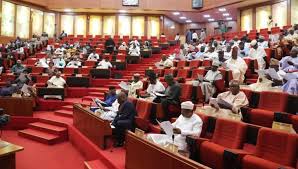
Following the President’s refusal to assent to amendments of the National Drug Law Enforcement Agency (NDLEA) Act, the Senate has encouraged the NDLEA and NHRC to join forces in refining Nigeria’s anti-drug legislation.
Senate Leader Senator Opeyemi Bamidele (APC, Ekiti Central), speaking through his Chief of Staff, Charles Luri-Bala, made the call during a technical workshop organised by the NHRC, civil society groups, and human rights defenders.
The event, titled “Towards a Comprehensive Drug Harm Reduction Strategy in Nigeria: Legislative Perspectives and Opportunities”, focused on strategies to reduce the harmful effects of drug use while protecting human rights.
Bamidele praised the NHRC and its partners for convening the workshop and emphasised that effective drug policies must balance enforcement with treatment, rehabilitation, and social reintegration. “An effective drug strategy should move away from overly punitive measures that deepen stigma and instead prioritise rehabilitation and support”, he said.
He noted that while the President declined assent to the bill in June 2025 due to constitutional conflicts, the legislation could be reconsidered if the conflicting sections are revised. Lawmakers are seeking input from stakeholders to refine policies that promote evidence-based drug harm reduction.
The disputed bill included provisions allowing the NDLEA to retain a portion of assets seized from drug-related crimes, whereas under current law, all confiscated property is remitted to the Confiscated and Forfeited Properties Account.
Bamidele assured participants that the Senate remains committed to reviewing and supporting amendments that create a legal and institutional framework for a balanced and effective anti-drug strategy, which he described as vital for national development.
About the Author