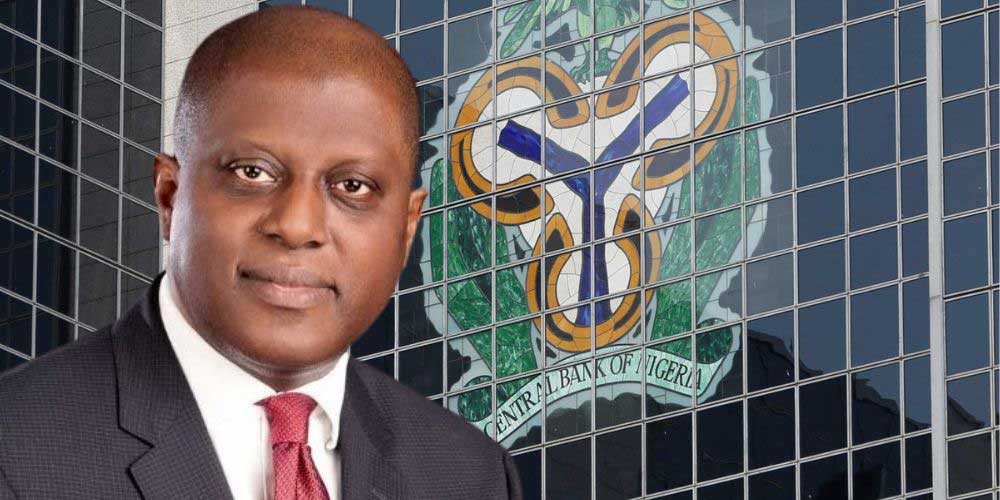
CBN Governor Cardoso highlights robust investor confidence, stricter governance, and regional expansion at IMF/AFRITAC forum…..
Nigerian banks have collectively mobilised N4.61 trillion in fresh capital under the ongoing Central Bank of Nigeria (CBN) Banking Sector Recapitalisation Programme, signalling strong investor appetite and growing foreign participation in the sector.
The announcement followed remarks by CBN Governor Olayemi Cardoso at the 4th Annual IMF/AFRITAC West 2 High-Level Executive Forum for Financial Sector Regulation and Supervision held in Abuja on Tuesday.
Launched in 2024, the recapitalisation initiative was designed to bolster the resilience of Nigerian banks amid macroeconomic reforms, including subsidy removals and exchange rate adjustments, while strengthening the financial system’s capacity to withstand shocks.
Capital Inflows Reflect Confidence and Regional Expansion
According to the CBN, nearly 27 percent of the N4.61 trillion capital raise came from foreign investors, highlighting growing international confidence in Nigeria’s banking sector. The funds have also supported Nigerian banks in expanding their footprint across African markets.
“The proactive policy not only strengthened domestic banks but also inspired similar reforms across Africa,” the CBN said in a statement.
The latest capital inflow marks an increase of about N560 billion over the N4.05 trillion previously verified by the CBN in February 2026, showing continued momentum as banks approach the March 31 recapitalisation deadline.
Corporate Governance and Credit Discipline
Governor Cardoso used the forum to reinforce the CBN’s zero-tolerance stance on governance violations within the banking sector.
“Our stance on corporate governance is unequivocal,” he said. “By ending years of regulatory forbearance, we have reinforced accountability, tightened supervision, and elevated compliance standards across the sector.”
The apex bank has also taken decisive steps to enforce credit discipline, restricting banking services to non-performing large-ticket borrowers to protect financial integrity and uphold repayment culture.
Regional Coordination and Fintech Reform
Beyond domestic recapitalisation, the CBN emphasised the need for deeper collaboration among African regulators, especially as cross-border banking and financial integration expand. Coordinated oversight is seen as essential to mitigating systemic risks and fostering a resilient financial ecosystem.
The governor reaffirmed Nigeria’s commitment to orthodox monetary policy, aiming to restore price stability and strengthen policy credibility. He also highlighted ongoing fintech reforms designed to balance innovation with financial system stability through robust regulatory frameworks.
The IMF/AFRITAC forum brought together central bank officials and financial regulators from six African countries, focusing on emerging risks including digital finance, artificial intelligence, and climate-related financial vulnerabilities, while promoting knowledge sharing and regional cooperation.
With the recapitalisation programme exceeding expectations and governance reforms firmly in place, Nigerian banks appear better positioned to support sustainable economic growth and play a stronger role in Africa’s integrated financial markets.
About the Author