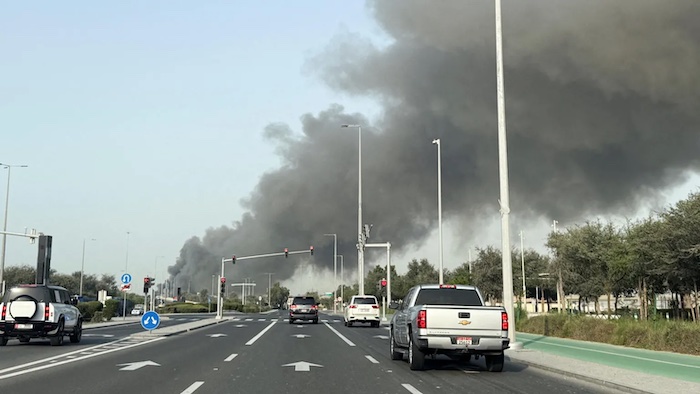
At least one Nigerian has been identified among dozens of people injured during the interception of Iranian ballistic missiles in the United Arab Emirates, authorities said, as tensions continue to escalate in the region.
The UAE has been responding to retaliatory strikes from Iran following accusations that it allowed the United States to launch military operations from American bases located in the Gulf nation.
In a statement released on Tuesday, the UAE defence ministry said its air defence systems have detected 262 ballistic missiles fired from Iran since the conflict began on February 28.
According to the ministry, 241 of the missiles were successfully intercepted and destroyed, while 19 fell into the sea. Two missiles landed within the country’s territory.
The attacks resulted in six deaths involving nationals from several countries, including Emirati, Pakistani, Nepalese and Bangladeshi citizens. Authorities also reported 122 cases of minor and moderate injuries affecting people from multiple nationalities, including a Nigerian.
The ministry did not specify how many individuals from each nationality were affected.
On Wednesday, the UAE defence minister said the country’s air defence systems were continuing to intercept additional missiles and drones launched from Iran, stressing that the country remains prepared to counter any threats and protect its national interests.
The ongoing conflict has raised concerns among foreign nationals living or travelling in the Gulf region. Nigerians stranded in countries affected by the crisis have begun calling on the Nigerian government to organise evacuation flights.
It remains unclear how many Nigerians are currently in Iran or other Middle Eastern countries impacted by the hostilities. However, Gulf nations such as Qatar, Saudi Arabia, and the UAE are popular destinations for Nigerian travellers, both for tourism and as transit hubs.
Responding to the concerns, Abike Dabiri-Erewa, head of the Nigerians in Diaspora Commission, said the federal government is prepared to begin repatriating Nigerians stranded in the region once airspace restrictions are lifted.
Melissa Enoch
About the Author