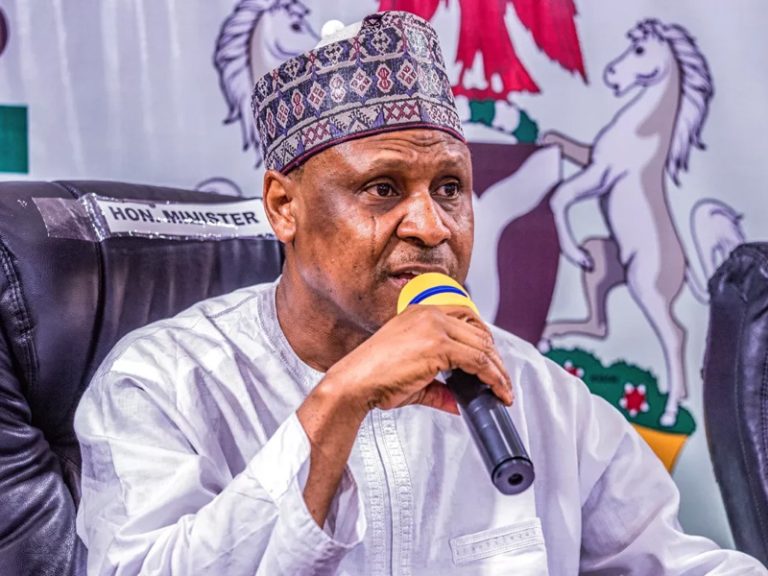
Finance Minister Olawale Edun calls for bold tax reforms and continental cooperation to curb illicit outflows and boost domestic resources…..
Nigeria and its African partners face a critical economic challenge, as the continent loses an estimated $88 billion annually to Illicit Financial Flows (IFFs), Olawale Edun warned during the opening of the 5th Sub-Committee on Tax and IFFs of the African Union in Abuja.
Speaking on Tuesday, Edun emphasized that these illicit outflows siphon resources that could otherwise fund essential social services and economic development.
“Illicit Financial Flows alone are estimated to cost the continent over $88 billion annually. This is a pivotal moment at which we need to reverse this movement of funds out of Africa,” he said, stressing the urgency of coordinated action.
Edun noted that Africa spends more on debt servicing than it receives in combined Overseas Development Assistance and Foreign Direct Investment, highlighting the unsustainable reliance on external financing. He called for leveraging Africa’s natural resources and economic potential to benefit the continent’s 1.4 billion people through robust tax and fiscal reforms.
“Africa cannot sustainably finance development through debt or aid alone. Agenda 2063 envisions mobilizing up to 90% of development financing from domestic resources, supporting African production through African savings,” Edun said.
The minister outlined key priorities for curbing IFFs and strengthening the continent’s economic foundation:
- Strengthening tax systems and domestic revenue mobilization
- Maximizing returns from natural resources
- Expanding savings and financial inclusion
- Developing capital markets for businesses of all sizes
- Combating illicit financial flows and enhancing governance
- Leveraging digitization and technology reforms, including Nigeria’s National Single Window project to ease trade and increase government revenue
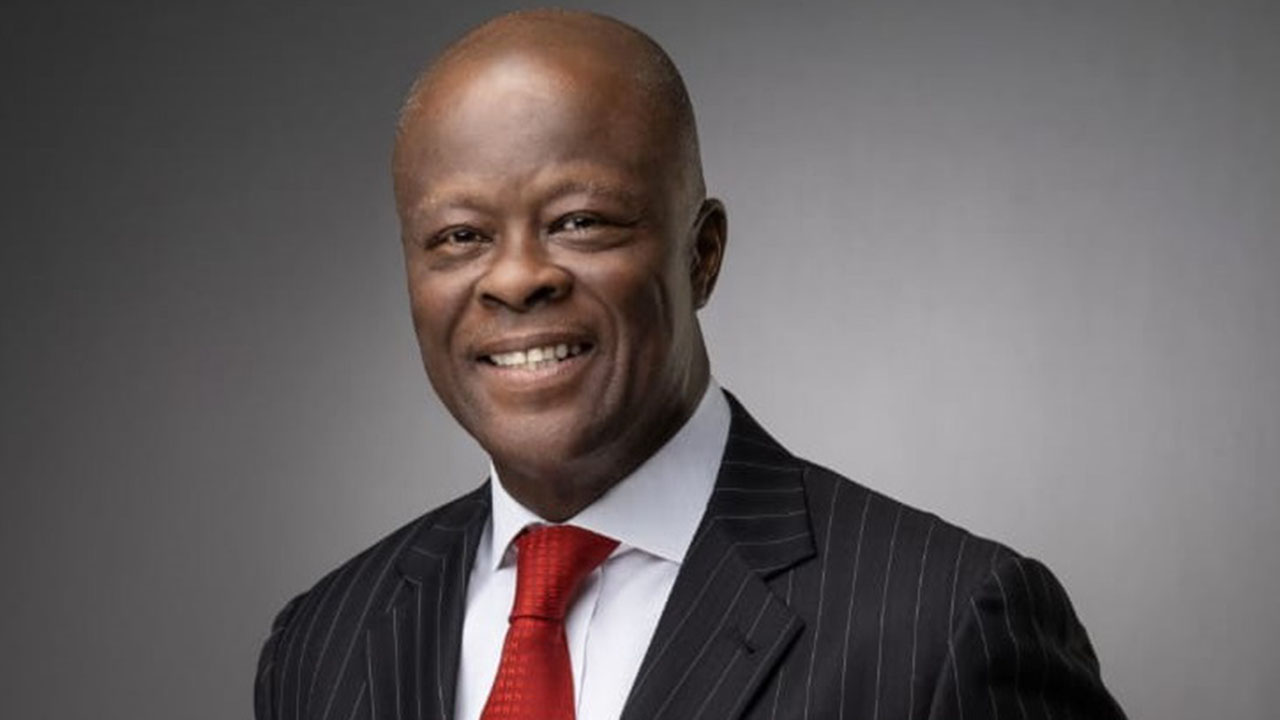
In his welcome address, Zacch Adedeji described IFFs as one of Africa’s most pressing economic threats, noting that illegal transfers, trade mispricing, tax evasion, and opaque corporate structures drain billions of dollars annually.
“Addressing IFFs requires coordinated national and continental action. Platforms like this Subcommittee are indispensable to advance reforms that safeguard Africa’s resources and build resilient economies for our people,” he said.
The discussions signal a renewed push for bold, collaborative strategies across the continent to stop illicit financial outflows and harness domestic resources for sustainable development.