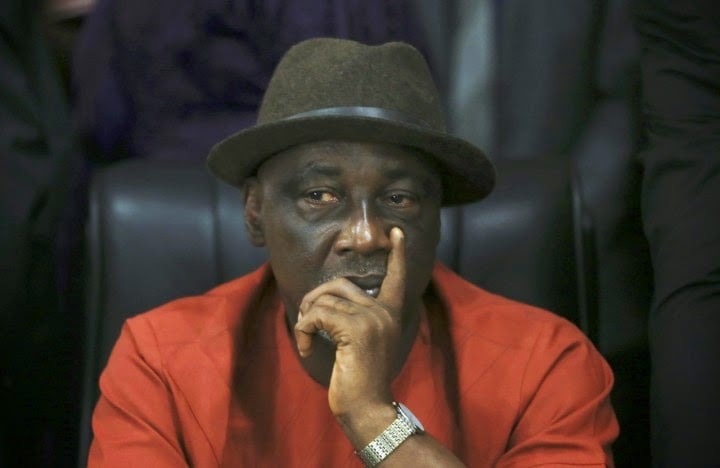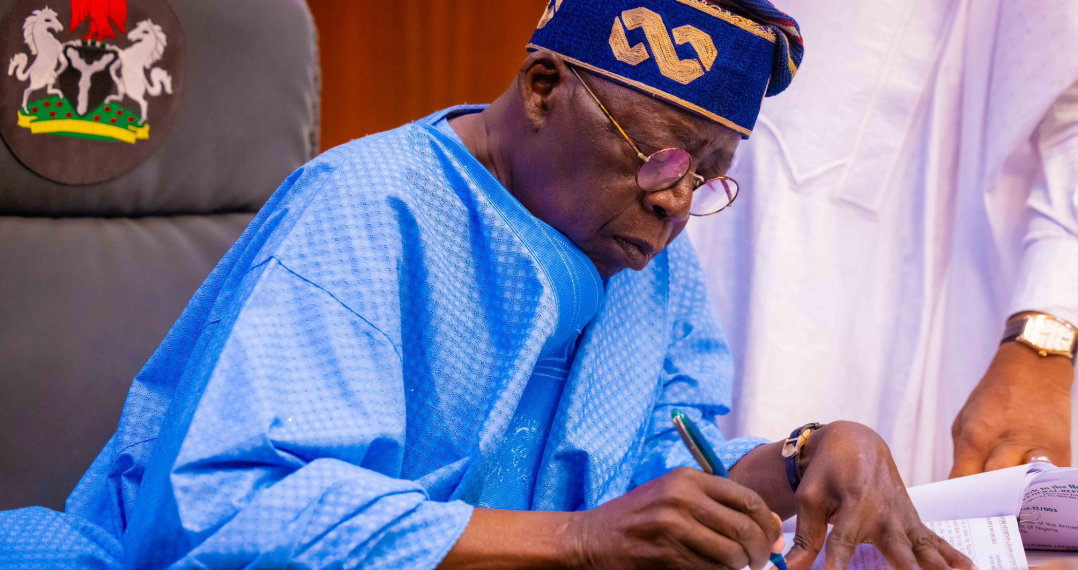
Painful reforms signal a deliberate shift toward stability, transparency, and long-term growth, according to Tanimu Yakubu…..
Nigeria’s economy is not in free fall but undergoing a tough and necessary transformation aimed at fixing years of structural weaknesses, according to Tanimu Yakubu, Director-General of the Budget Office of the Federation.
Speaking in Abuja on Wednesday, Yakubu pushed back against growing concerns that the country is sliding into economic collapse, instead describing the current hardship as the result of intentional policy choices designed to stabilise the system and restore credibility to economic management.
He explained that recent reforms reflect a decisive break from past practices that prioritised short-term comfort over long-term sustainability.
According to him, “countries in true economic collapse” typically show signs such as deteriorating reserves, limited access to capital markets, and weak fiscal performance conditions he argued do not align with Nigeria’s current trajectory.
Yakubu pointed to several indicators he believes tell a different story. These include the unification of exchange rates, a steady rise in external reserves, and renewed access to international capital markets. While acknowledging the strain many Nigerians are facing, he said these developments signal gradual but meaningful progress.
At the heart of the government’s strategy is the dismantling of long-standing economic distortions. For years, Yakubu noted, Nigeria maintained what appeared to be stability through policies that masked deeper inefficiencies among them fuel subsidies, multiple exchange rate systems, and aggressive fiscal spending that often encouraged arbitrage rather than real productivity.
The removal of these measures, he said, has inevitably exposed the true cost structure of the economy. This adjustment has contributed to inflationary pressures but has also improved transparency and strengthened confidence in policy direction.
Yakubu emphasised that the current phase should be understood as a reset one that forces the economy to confront realities that had been deferred for years.
On the fiscal front, he highlighted signs of strengthening fundamentals. Distributable revenues to the Federation Account, he noted, have risen by more than 40 percent following the removal of fuel subsidies. This increase, he said, reflects better remittance practices and a reduction in leakages within the system.
He also pointed to Nigeria’s debt profile, stating that public debt remains below 30 percent of GDP, while external reserves have climbed above $40 billion, figures he suggested demonstrate resilience despite ongoing pressures.
Beyond the federal level, Yakubu said improvements are beginning to filter down to states. Higher allocations have enabled more consistent salary payments in some parts of the country, with a few state governments even introducing wage adjustments to cushion the impact of inflation.
Taken together, he argued, these trends indicate a slow but expanding fiscal space, one that could support broader economic recovery if reforms are sustained.
Still, the reality on the ground remains challenging for many Nigerians, as rising prices and cost-of-living pressures continue to test public patience. Yakubu, however, maintains that these difficulties are part of a broader transition one aimed at building a more transparent, disciplined, and ultimately resilient economic system.
Whether the promised long-term gains will outweigh the immediate pain remains a question many Nigerians are still asking. For now, the government’s message is clear: the discomfort is real, but it is also, in their view, necessary.