As Africa pushes toward cleaner public transportation, Nigeria and Kenya are taking the lead by locally assembling electric vans and taxis, combining manufacturing with creative financing models to accelerate adoption.
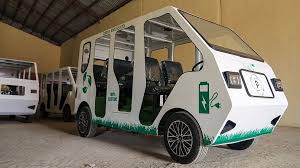
In Nigeria, Lagos-based Saglev has begun assembling 18-seater electric passenger vans using kits imported from Dongfeng Motor Corp. The company plans to produce up to 2,500 vehicles annually and eventually assemble 17 electric models for Nigeria and the wider West African market.
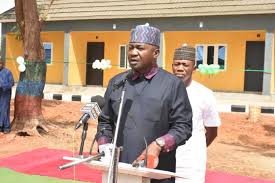
“This is a major step toward fossil-free public transport in Nigeria,” said Olugbenga Falaye, Saglev CEO. He described the vans as the first locally assembled electric mass-transit vehicles in sub-Saharan Africa, adding that the initiative is “practical, scalable, and ready for adoption”. Saglev is a joint venture between Stallion Group and China’s Sokon Motor, and plans to deploy solar-powered charging stations to tackle power reliability issues.
In Kenya, Rideence Africa has partnered with Associated Vehicle Assemblers (AVA) in Mombasa to assemble electric taxis and minibuses, supported by a $2.46 million investment. Kits will be supplied by Jiangsu Joylong Automobile and Beijing Henrey Automobile Technology.
According to Managing Director, Rideence Africa, Minnan Yu, “We are moving from operator to manufacturer, building a Kenya-rooted new-energy mobility company for Africa. AVA Managing Director, Matt Lloyd, added that the partnership will establish Kenya’s first dedicated EV assembly line, proving the country can manufacture vehicles locally at scale.
Electric vans and minibuses are vital for public transport across Africa, where fuel costs remain high. Operators typically spend about $3 to charge an EV for 200 km, compared with over $15 for petrol.
Despite progress, adoption remains modest. Africa has about 30,000 EVs, compared with millions running on petrol and diesel, and only 1.1 million vehicles were manufactured continent-wide last year, mostly in Morocco and South Africa.
About the Author