The mayor of Wellington in New Zealand took an unusual step on Wednesday, swimming in the ocean to reassure residents after a malfunction at a local wastewater treatment facility triggered the discharge of millions of litres of raw sewage into the sea.
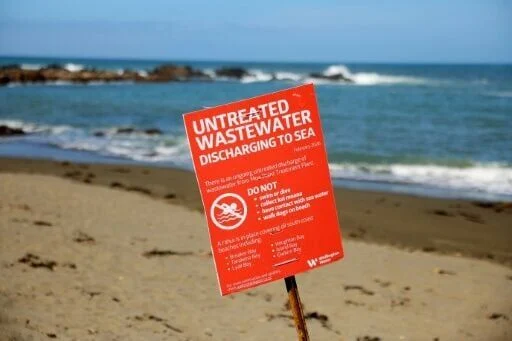
The public demonstration followed the breakdown of the Moa Point wastewater treatment plant on February 4, an incident that resulted in untreated sewage being pumped into coastal waters and even sprayed onto nearby shoreline homes.
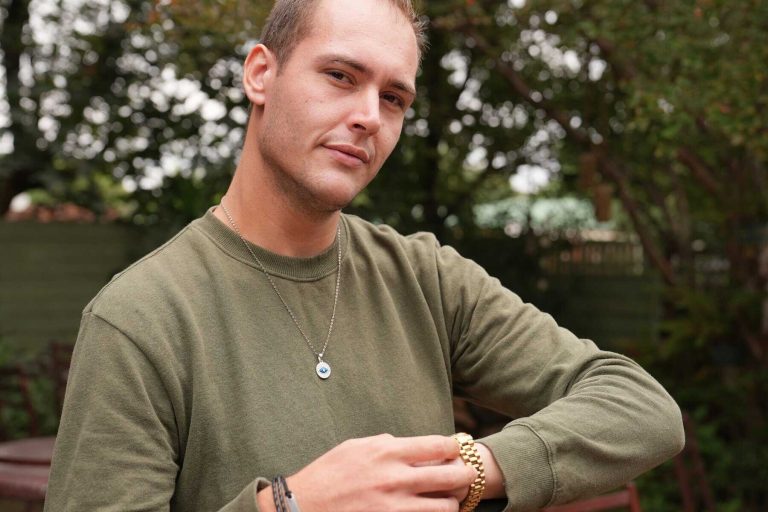
The mayor, identified as Andrew Little, donned swimming trunks and a rash guard before diving into the surf, an action aimed at calming growing public anxiety over the safety of the city’s beaches.
While acknowledging that some level of risk still exists, Little said early monitoring results suggested the danger had been reduced to a low level, leaving residents to decide whether to return to swimming or fishing.
Prior to the stunt, the Wellington City Council had advised the public to avoid recreational water activities because of potential health hazards.
The situation worsened last week when a powerful storm hit the city, generating waves as high as seven metres (23 feet). The turbulent seas pushed contaminated spray inland, coating some coastal homes with a brown residue described by residents as “disgusting” and “slimy grime”.
Local resident Roger Young told national broadcaster Radio New Zealand that the residue was clearly not natural salt deposits, adding that it came from sewage particles washing repeatedly onto the coast.
Another Island Bay resident, Chris, described the substance as “brown marks of residue” that remained after seawater receded.
The utility company responsible for managing the facility, Wellington Water, said experts from Australia had been brought in to help determine the cause of the failure, though the exact problem remains unresolved.
Officials confirmed that cleaning operations were still ongoing at the plant, noting that elevated odour levels continue to pose concerns for surrounding communities.
The mayor described the required repair work as a “major fix” necessary to restore full functionality to the treatment facility, thanking residents and businesses for their patience.
“Today’s progress marks a turning point, but we are still far from completing the recovery process,” he said, stressing that long-term restoration efforts are underway.
About the Author