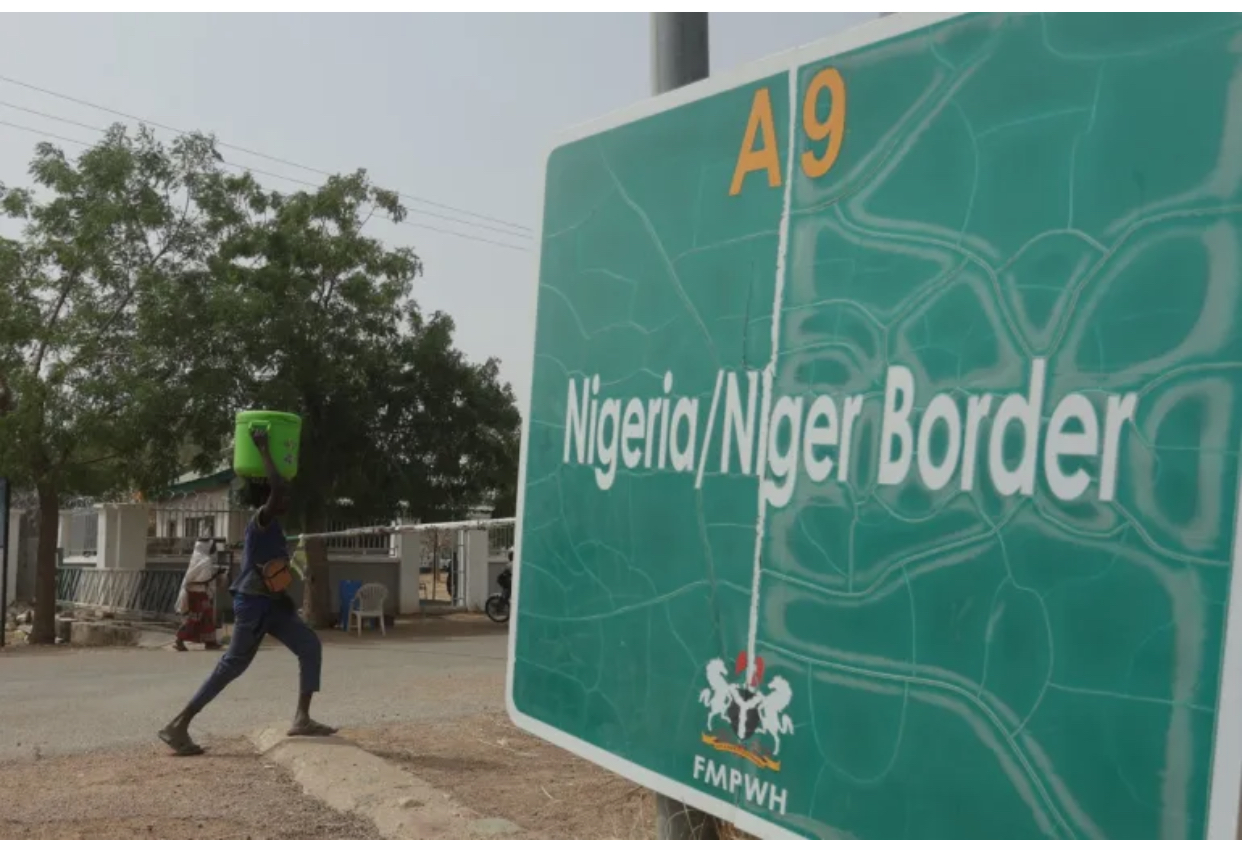
A new security analysis has reported a significant increase in militant activity across parts of West Africa, particularly in border communities linking Nigeria, Benin, and Niger.
The findings, published in a recent regional conflict assessment, indicate that violence attributed to extremist groups rose considerably in 2025 compared to the previous year. The report highlights a sharp increase in fatalities and recorded incidents within the tri-border region, as well as surrounding states in northwestern and central Nigeria.
According to the analysis, armed groups operating in the area have broadened their presence and adjusted their communication strategies. Researchers say some factions have begun publicly claiming responsibility for attacks in locations where their activity was previously suspected but not formally acknowledged. The shift, the report notes, suggests an effort to project influence and strengthen their visibility in contested territories.
The document also links the expansion of insecurity to governance challenges and limited cross-border coordination among regional states. It points out that strained diplomatic relations and changes in regional alliances have complicated joint security efforts, reducing the effectiveness of intelligence sharing and coordinated patrols along porous borders.
In addition, the report references recent international counter-terrorism actions in the region, including targeted military operations carried out with the consent of local authorities. Analysts say such interventions reflect broader efforts to disrupt extremist networks and limit their movement toward coastal areas, while maintaining strategic engagement in West Africa.
The assessment concludes that sustained cooperation between regional governments and international partners will be critical in addressing evolving security threats, particularly as militant groups adapt their tactics and expand into new areas.