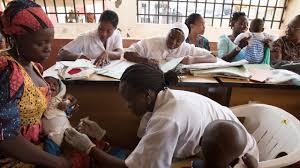
The Nigeria Centre for Disease Control has confirmed that 32 out of 37 states now maintain Public Health Emergency Operations Centres that meet national operational standards, improving the country’s readiness for public health emergencies. Director-General of NCDC, Jide Idris, said the development reflects sustained federal investment under the National Health Reform Agenda, which prioritises disease prevention, surveillance, and coordinated emergency response.
Idris highlighted that over the past two decades, Nigeria has faced multiple disease outbreaks, including Ebola, Lassa fever, cholera, measles, polio, and antimicrobial-resistant infections. The agency has reoriented its strategy to focus on prevention, early detection, and rapid response to emerging health threats.
“Our goal is to detect outbreaks early, respond quickly, and contain them before they escalate”, he said, adding that the NCDC uses digital surveillance tools to track disease trends across hospitals, laboratories, communities, and media reports.
The NCDC has expanded its laboratory network, linking National Reference Laboratories in Abuja and Lagos with zonal and state public health laboratories. The network now covers 84 per cent of the country, including 700 local government areas, enabling faster detection and containment of infectious diseases.
In partnership with the Japanese government, the NCDC has established high-security laboratories in Abuja and Lagos capable of handling dangerous pathogens such as Ebola and Marburg viruses. Two additional biosafety level-three labs have been added to strengthen capacity further.
Idris also emphasized a One Health approach, coordinating with the Ministries of Agriculture, Environment, and Water Resources to monitor diseases at the human-animal-environment interface. This framework has enhanced surveillance of zoonotic diseases and improved coordinated responses to emerging health threats.
“So far, we have responded to 23 public health events across 15 states, reinforcing real-time disease monitoring and operational support systems”, he said, stressing that early detection and prevention remain Nigeria’s most effective tools in protecting public health.
About the Author