Nigeria is facing growing concern over Lassa fever as the Nigeria Centre for Disease Control and Prevention reports 318 confirmed infections and 70 deaths so far this year. This puts the fatality rate at 22 percent, highlighting serious concerns about how quickly cases are detected, how easily patients can access treatment, and how prepared states are to manage the outbreak.
Speaking at a press briefing in Abuja, the Director-General of the NCDC, Jide Idris, revealed that the outbreak is heavily concentrated in a small number of areas. According to him, five states alone account for 91 percent of confirmed infections, while just 10 Local Government Areas contribute 68 percent of the total cases.
He also confirmed that 15 healthcare workers have been infected, raising concerns about safety practices within health facilities.
To manage the situation, the NCDC has activated its Incident Management System to strengthen coordination across the country. The agency is also holding weekly emergency operations meetings to monitor developments and guide response efforts at the state level.
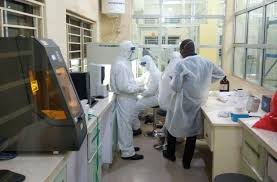
Rapid response teams have already been deployed to several affected states, including Bauchi, Ondo, Taraba, Edo, Plateau, Benue and Jigawa, with additional deployments planned if needed. At the same time, laboratory supplies, protective equipment, medicines, and dialysis support for severe cases have been distributed to treatment centres nationwide.
Investigations into healthcare worker infections over the past two years point to several key issues, including poor infection prevention and control practices, delayed suspicion of Lassa fever in high-risk areas, and late hospital visits by patients due to fear of stigma.
The NCDC says it has written to state health commissioners, urging stricter infection control measures in hospitals, and has issued updated advisories to healthcare workers.
Public awareness efforts are also ongoing. The agency has been educating Nigerians on prevention methods such as proper food storage and rodent control, while also sharing communication materials with state officials and partners. It is also actively monitoring rumours and misinformation, recently addressing a false alarm at an NYSC camp in Kwara State.
However, several obstacles continue to affect the response. These include weak coordination at the state level, gaps in contact tracing, limited funding for awareness campaigns, poor reporting systems, and inconsistent safety practices in some health facilities.
The NCDC also expressed concern that some treatment centres lack adequate resources, with reports of patients leaving care early and challenges in maintaining safe burial procedures. In addition, dialysis machines provided for severe cases are not being fully used in some centres, and high treatment costs in certain facilities may discourage patients from seeking care.
The agency stressed that stronger action from state governments is essential. This includes improving case detection, expanding public awareness, removing financial barriers to treatment, and enforcing strict infection prevention measures.
Meanwhile, the NCDC says it continues to work closely with key federal ministries and partner agencies under a One Health approach, recognising that controlling Lassa fever requires coordination across human, animal, and environmental health sectors.
About the Author