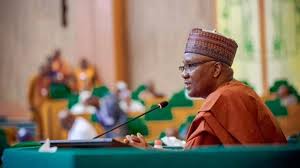
Nigeria’s National Assembly has pledged rigorous scrutiny of the 2026 Appropriation Bill, emphasizing lessons learned from challenges in implementing the 2025 budget to guide lawmakers’ review of the new fiscal proposal.
The commitment was made by Speaker of the House of Representatives, Tajudeen Abbas, during a joint sitting of the National Assembly in Abuja, where President Bola Ahmed Tinubu presented the 2026 budget estimates.
Abbas highlighted that fluctuations in crude oil prices and foreign exchange rates in 2025 underscored the need for prudent budgeting, diversified revenue sources, and disciplined fiscal management. “The experience of 2025 reinforced our understanding that credible budgets must be based on realistic assumptions, disciplined execution, and resilient fiscal frameworks”, he said.
The Speaker noted positive macroeconomic indicators, including real GDP growth approaching four per cent, easing inflationary pressures, improved foreign exchange reserves, rising export receipts, and sustained remittance inflows. He cited assessments from the World Bank and International Monetary Fund as evidence of growing economic credibility.
Abbas commended President Tinubu’s directive for Nigeria to operate a single fiscal framework, describing it as a key step toward restoring transparency and order in public finance. “Your insistence on one budget, one fiscal framework, and no fragmented spending windows ensures discipline, clarity, and alignment with national priorities”, he said.
On security, the Speaker stressed that effective allocation of funds to the sector is essential for economic growth, food production, and investor confidence, adding that the National Assembly would monitor expenditure to ensure measurable improvements in safety nationwide.
Abbas also highlighted new tax laws set to take effect in 2026 as pivotal for strengthening non-oil revenues, reducing leakages, and ensuring sustainable government financing. He assured that lawmakers would approach the budget with urgency and patriotism, insisting that every naira appropriated must deliver value to Nigerians.
Abbas concluded by stressing that while the economy showed signs of recovery in 2025, global oil market volatility and optimistic fiscal assumptions made realism and fiscal discipline imperative in the 2026 budget.
About the Author