The Nasarawa State Government has appealed to lecturers in state-owned tertiary institutions to suspend their ongoing strike and allow academic activities to resume, warning that prolonged disruption could harm students and the education sector.
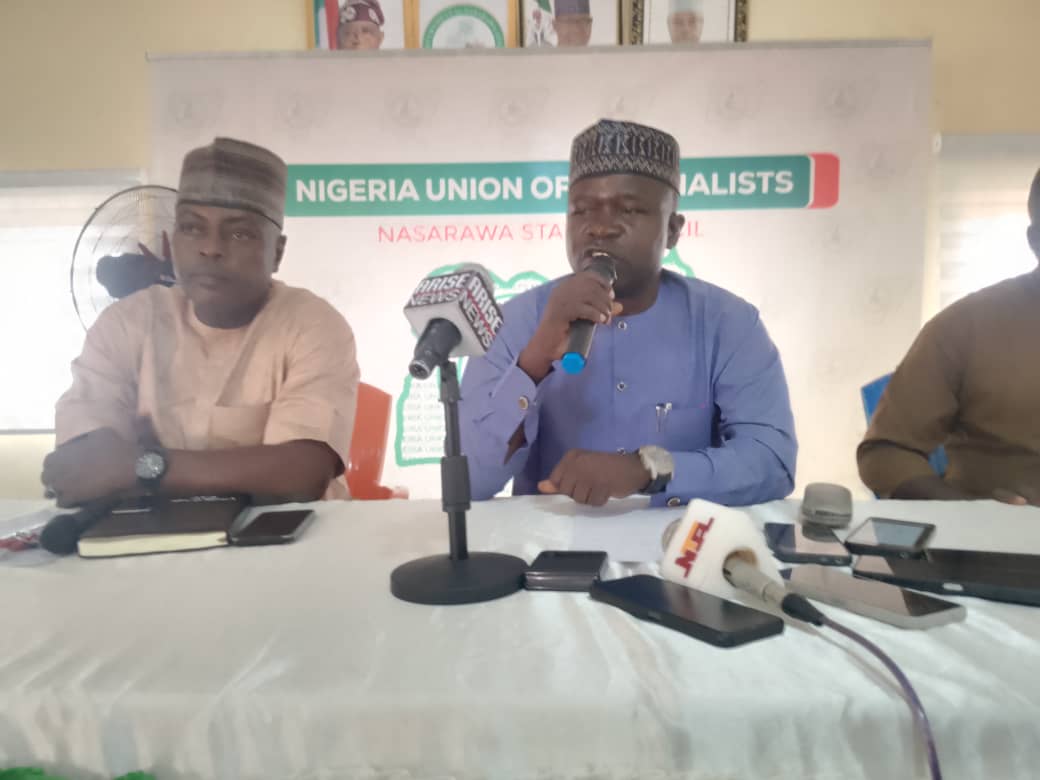
The appeal was made by the Senior Special Assistant to Governor Abdullahi Sule on Public Affairs, Peter Sheba, during a bi-monthly press briefing in Lafia, the state capital. Sheba urged the lecturers to reconsider their action in the interest of students, noting that institutions are expected to resume for the new academic year.
“We are already in January, and schools are expected to resume academic activities, yet we are faced with this strike. This situation is capable of affecting our children,” he said.
Sheba maintained that suspending the strike would create room for renewed negotiations, assuring that the government remains open to resolving the issues raised by the unions. “I want to beg you to suspend the strike and allow room for further negotiations,” he added.
Members of the Joint Unions of Nasarawa State Tertiary Institutions (JUNSTI) embarked on an indefinite industrial action on December 29, 2025, over the alleged failure of the state government to fully implement the New National Minimum Wage as earlier agreed.
The strike affects three state-owned institutions: Isa Mustapha Agwai I Polytechnic, Lafia; the College of Agriculture, Science and Technology, Lafia; and the College of Education, Akwanga.
JUNSTI Chairman, Samson Kale Gbande, said the union resolved to down tools after what he described as repeated delays by the government to honour agreements reached during several meetings. He said assurances were given that implementation of the new wage structure would commence in November 2025, but this had yet to materialise.
Gbande noted that the union had engaged the government through meetings held at the office of the Deputy Governor on August 6, October 23, December 3, and December 15, 2025, without concrete results. According to him, the delays have negatively affected workers’ morale, productivity, and stability within the education sector.
He lamented that despite the union’s patience for over a year, “these assurances have not translated into action,” prompting the decision to embark on an indefinite strike.
Umar Muhammed
About the Author