Currency stability returns after mid-March swings, supported by oil revenues, easing inflation, and renewed investor optimism…..
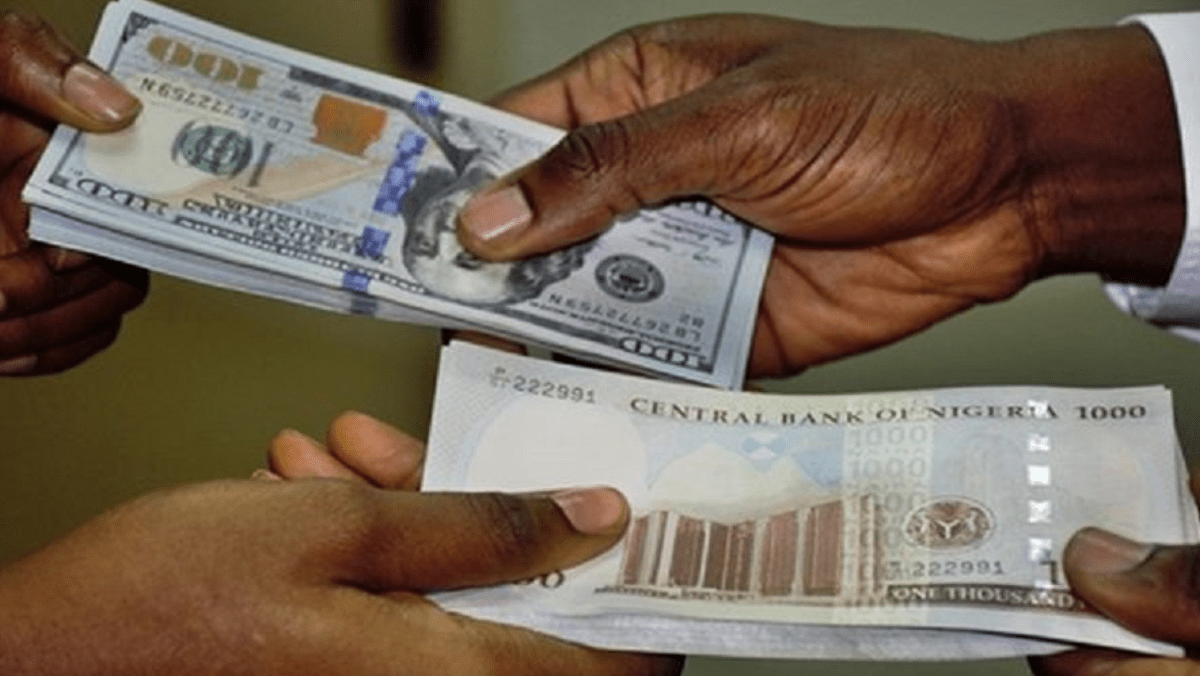
The Nigerian currency opened the week on a stable note, with the Naira trading at approximately ₦1,356.74 per dollar in the official market on Monday, signaling a pause after days of moderate volatility.
Recent trading sessions saw the currency fluctuate within a narrow band of ₦1,344 to ₦1,370, reflecting cautious market sentiment. Data from the Nigerian Foreign Exchange Market showed intraday highs touching ₦1,362, while average closing rates remained close to the ₦1,355 level.
Stability returns after mid-March swings
The latest performance suggests that the Naira may be regaining footing following short-term fluctuations earlier in the month. Analysts point to improving macroeconomic conditions as a key factor behind the relative calm in the currency market.
One of the strongest supports has been Nigeria’s external reserves, which have hovered near the $50 billion mark in recent weeks.
Oil strength provides critical backing
The rebound in reserves has been largely driven by steady crude oil output, currently estimated at about 1.46 million barrels per day, alongside relatively strong global oil prices.
As Africa’s largest oil producer, Nigeria remains highly sensitive to energy market trends, making oil revenues a crucial pillar for currency stability.
Policy stance reinforces investor confidence
Monetary policy has also played a significant role. The Central Bank of Nigeria has maintained a tight stance, keeping interest rates elevated in a bid to curb inflation and stabilize the financial system.
Recent signals from the apex bank’s Monetary Policy Committee indicate a cautious but steady approach, aimed at sustaining investor confidence while managing price pressures.
Inflation, which had been a major concern, showed slight improvement earlier in the year, easing to around 15.10%.
Banking sector reforms boost sentiment
Investor outlook has also been lifted by developments in the banking sector. The CBN recently confirmed that 30 major banks have successfully met new capital requirements ahead of the March 31 deadline, an important milestone expected to strengthen the financial system.
Outlook: cautious optimism
While the Naira’s current stability is encouraging, analysts warn that external risks particularly global oil price movements and geopolitical tensions could still influence its trajectory.
For now, however, a combination of stronger reserves, disciplined monetary policy, and improved investor sentiment appears to be giving the currency much-needed support as the second quarter approaches.
About the Author