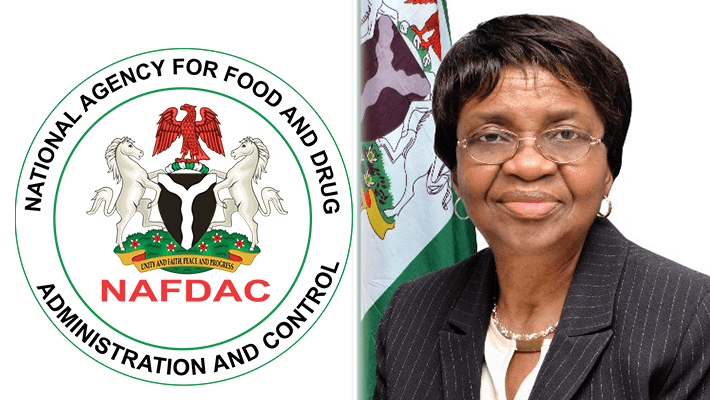
The National Agency for Food and Drug Administration and Control (NAFDAC) has achieved a historic milestone by securing full membership in the International Council for Harmonisation of Technical Requirements for Pharmaceuticals for Human Use (ICH).
Previously holding only observer status, NAFDAC was formally admitted as a full member during the ICH Assembly meeting in Singapore from November 18 to 19, 2025, with the official announcement published on the ICH website on November 26.
Announcing the achievement, NAFDAC Director-General, Mojisola Adeyeye, described the development as “historic,” placing Nigeria among the world’s leaders committed to the highest standards of pharmaceutical quality, safety, and efficacy.
“For Nigerians, this milestone translates into better access to high-quality medical products. For local manufacturers, it enhances competitiveness and credibility in regional and international markets,” Adeyeye said.
NAFDAC’s path to full membership began in late 2022, when the agency was advised to apply for observer status. This triggered an intensive two-year capacity-building program throughout 2023, culminating in the agency meeting all final membership requirements in April 2025. Key to this achievement was an international workshop on ICH M13A (Bioequivalence) held in Lagos, which brought together regulatory heads from across the region.
The agency also received support from Northeastern University in Boston and the Bill & Melinda Gates Foundation through targeted training programs. Adeyeye lauded the dedication of NAFDAC staff, emphasizing that their work “demonstrates that Nigerian regulatory scientists can stand shoulder-to-shoulder with global experts.”
She further noted that the federal government’s decision to extend her tenure provided critical continuity in consolidating the agency’s progress.
With full membership, Nigeria now becomes the 24th of only 25 national regulatory authorities worldwide committed to harmonized, science-based pharmaceutical standards.
NAFDAC said the new status will strengthen Nigeria’s regulatory framework, improve access to innovative medicines, attract foreign investment, and reinforce the country’s leadership in regional health initiatives, including the African Medicines Agency.
About the Author