On a rally stage, everything is stripped bare. There is no room for doubt, no space for excuses.
Only speed, precision, and commitment survive. For Musa Ssegabwe, this truth has guided a journey that began long before sponsorship decks, championship standings, or imported rally machines.
It began with a boy watching engines roar and dreaming of motion back in Luwero. Born and raised in rural Uganda- Luwero District, Ssegabwe’s earliest passions leaned toward sport.
Football filled village afternoons, but it was motorsport that seized his imagination. Rally legends such as Karim Hirji, Moses Lumala, and the Vega brothers carved unforgettable images into his young mind. Whenever rally cars passed through regions like Mbarara, Lubugi, or Masaka, Ssegabwe watched closely, memorizing the sound, the dust, the bravery.
Motorsport was not common where he grew up, but its pull was unmistakable. When Ssegabwe later moved to Kampala for his studies, that childhood fascination matured into action.
Like many young enthusiasts, he first found an outlet in informal street racing. The thrill was undeniable, but so was the risk. Street racing was illegal, dangerous, and unsustainable. Ssegabwe recognized that passion without structure could destroy lives, including his own.
The decision to step away from the streets and into sanctioned motorsport would become one of the most defining moments of his life. In 2024, Ssegabwe officially entered competitive rallying with a Mitsubishi Evo 9. Alongside his co-driver and team manager, Mathias Kiyega.
It was a steep learning curve, but one Ssegabwe embraced fully. Discipline replaced impulse. Preparation replaced luck. By the 2025 season, the team was promoted to the NRC category, competing against experienced drivers and better-funded teams.

Against expectations, Ssegabwe finished second overall in the national championship to Ronald Sebuguzi. For a team still considered new, the result was a statement: Ssegabwe was not here to participate.
He was here to compete. Behind the helmet, Ssegabwe is an environmental engineer with an academic résumé that surprises many in the paddock. He holds diplomas in networking and environmental impact assessment, a bachelor’s degree in environmental management, and a master’s degree in environment and natural resources.
He is also the managing director of Segamu 14 Consults Limited, an engineering consultancy specializing in infrastructure design, project supervision, and feasibility studies. That corporate success bankrolls his racing dream.
Ssegamu 14 Consults is the primary sponsor of Ssegamu 14 Racing, a team built on professionalism and accountability. Ssegabwe estimates that during the Evo 9 era, each rally event cost nearly Shs 22 million, excluding major spare parts. Over a full season, expenses exceeded Shs 150 million.
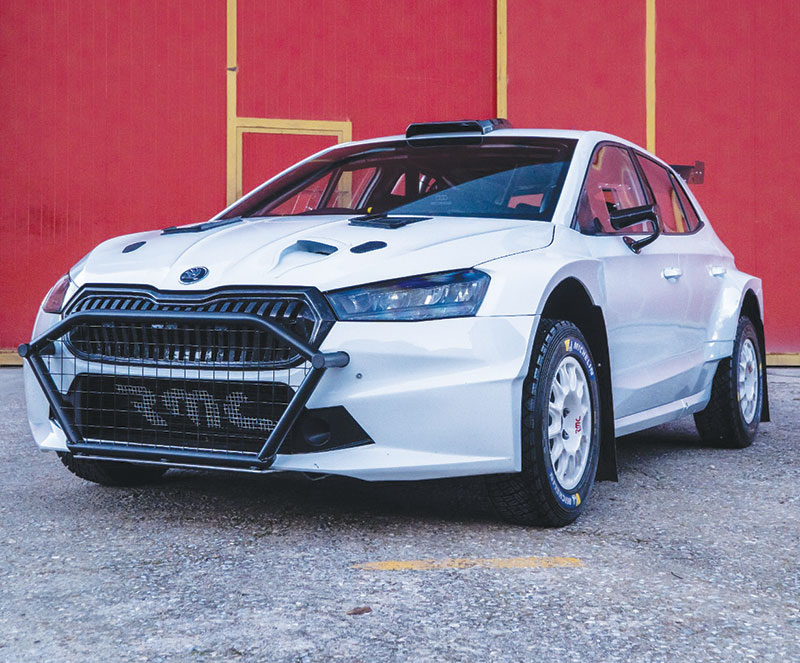
Motorsport, he says plainly, does not pay drivers in Uganda. There are no prize purses, only trophies and personal fulfillment. Yet Ssegabwe does not complain. He plans. Ahead of the 2026 season, Segamu 14 Racing acquired a brand-new Škoda Fabia N5, one of the most advanced rally cars on the market.
The investment, including spares, approached Shs 700 million. Annual maintenance alone is projected at Shs 350 million. For Musa, the upgrade was not about status but competitiveness.
The goal is clear: “win the National Rally Championship.” Preparation for the Fabia has been meticulous. His co-driver, who also serves as lead mechanic, was flown to Spain for specialized training on the car.
Factory engineers are expected in Uganda to support the team and transfer knowledge to local mechanics. Ssegabwe believes African motorsport can only grow if expertise is shared, not hoarded.
Despite his commitment, Ssegabwe is candid about the structural challenges facing rally drivers. Entry fees, logistics, fuel, tyres, and maintenance costs are borne almost entirely by competitors. Even when drivers win championships, there is no financial reward.
He believes the sport deserves greater recognition, both institutionally and nationally. He points to other sports where athletes receive allowances, state recognition, or ceremonial acknowledgment.
Rally drivers, even those representing Uganda internationally, often return home quietly. Ssegabwe believes this must change if motorsport is to thrive and attract sustainable sponsorship.
Still, he acknowledges progress. Tax exemptions on rally cars, engines, and gearboxes have eased the burden. He hopes the government will extend these exemptions to spare parts and tyres, which form the largest share of recurring costs.
Away from the noise of engines, Ssegabwe is a family man. He is happily married, a father of three, including twins, and grounded by responsibilities beyond the rally stage. His environmental background also informs community initiatives, including tree-planting programs tied to motorsport sustainability.
If properly funded, he hopes to expand these efforts. In 2025, Segamu 14 Racing was nominated in four national motorsport awards categories, including Best Branded Rally Team, Best Entertaining Team, Best Fans Engagement, and Motorsport Personality of the Year.
The recognition affirmed what fans already knew: Musa brings visibility, professionalism, and energy to the sport. As the 2026 season approaches, Ssegabwe stands at a defining junction. A new car. A proven team. A second-place finish behind him and a championship ahead. The ambition is unapologetic.
“I am not here to participate,” he says. “I am here to win.”
On Uganda’s rally stages, where dust meets courage and preparation meets pressure, Ssegabwe is no longer chasing a childhood dream. He is engineering his way toward a national crown.
About the Author