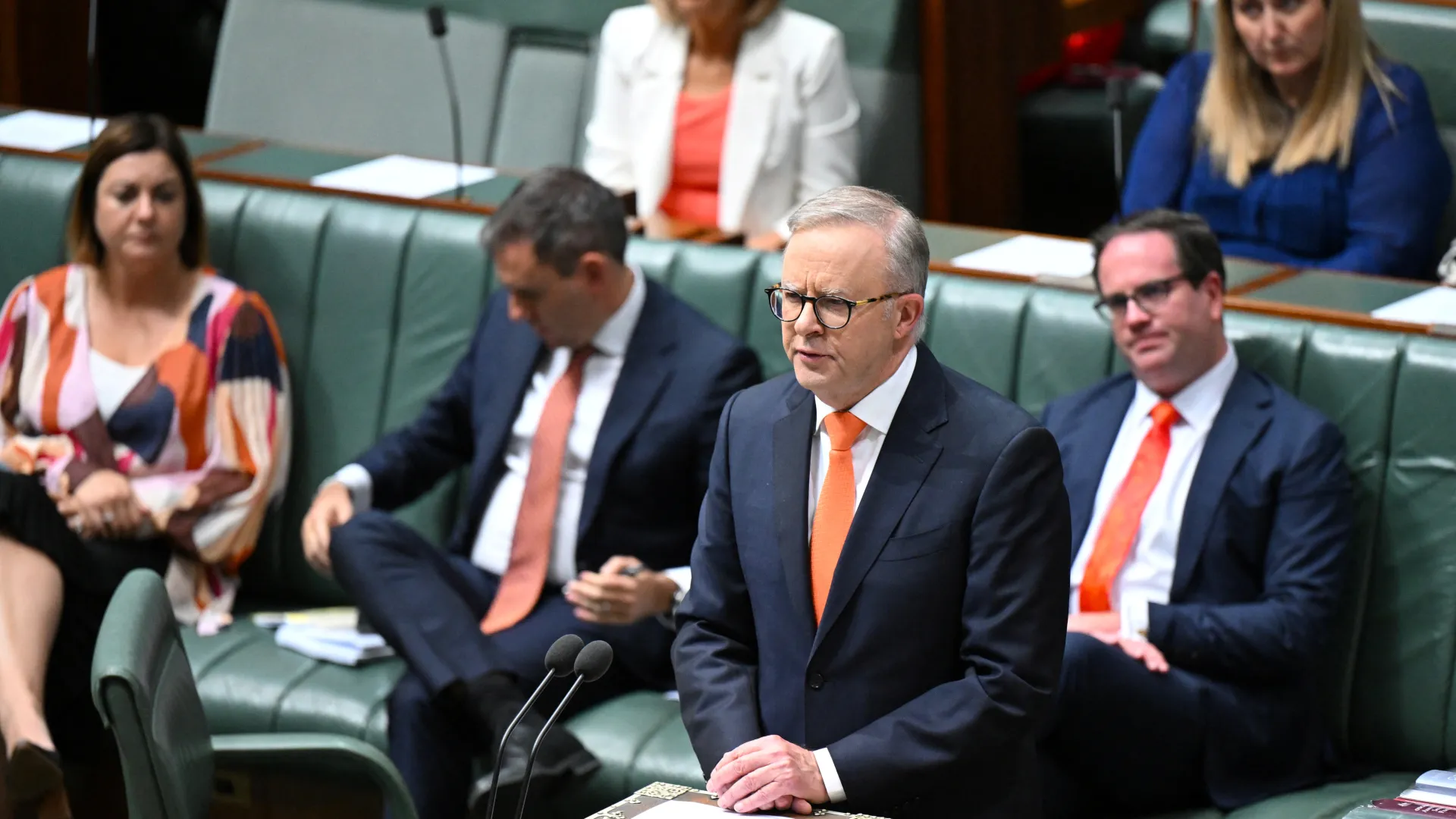
Members of the UK Parliament have rejected a proposal to introduce an Australia-style ban on social media for children under the age of 16, instead backing more flexible regulatory powers for government ministers.
The proposal would have restricted young people from accessing platforms such as TikTok, Instagram and Snapchat.
Australia introduced a similar ban at the end of last year, becoming the first country to impose such restrictions. The idea had also received support from members of the House of Lords earlier in January.
Supporters of the ban include actor Hugh Grant, who has publicly backed tougher action to protect children online.
However, critics, including the National Society for the Prevention of Cruelty to Children (NSPCC), warned that a blanket ban could push young people towards less regulated parts of the internet.
The proposed restrictions were introduced as amendments to the Children’s Wellbeing and Schools Bill.
During a debate in the House of Commons, Education Minister Olivia Bailey urged MPs to reject the proposal and instead support a more flexible regulatory framework.
Bailey said that while many parents and campaign groups support a full ban on social media for under-16s, other stakeholders have warned about unintended consequences.
She explained that some children’s charities believe a total ban could drive teenagers toward unregulated online spaces or leave them unprepared for responsible internet use later in life.
The government has therefore launched a consultation aimed at gathering views on how best to improve online safety for young people.
The consultation will examine whether social media platforms should enforce stricter minimum age requirements and whether certain addictive features, such as autoplay functions, should be disabled for younger users.
Under Bailey’s proposal, the UK Science Secretary Liz Kendall would receive powers to restrict or ban children of certain age groups from accessing social media platforms and artificial intelligence chatbots.
The powers could also allow the government to limit access to features considered harmful or addictive and restrict the use of Virtual Private Networks (VPNs) by children.
In addition, ministers would have the option of adjusting the country’s digital age of consent if necessary.
MPs ultimately voted 307 to 173 against the Lords proposal for a complete ban, while supporting Bailey’s alternative approach that leaves open the possibility of future restrictions.
Despite the outcome, more than 100 MPs from the governing Labour Party abstained from the vote.
One of them, North Somerset MP Sadik Al‑Hassan, said social media posed serious risks to young people.
During the debate, he argued that parents are struggling to protect their children from platforms designed to keep users engaged for long periods.
Al-Hassan said that if social media were treated like a pharmaceutical product causing measurable harm, it would likely face stricter regulation or restrictions on access.
Opponents of the ban also include the father of Molly Russell, a 14-year-old who died after being exposed to harmful online content.
He has argued that the government should prioritise stronger enforcement of existing online safety laws rather than imposing a blanket prohibition.
Following the vote, the Liberal Democrats criticised the government for failing to commit to stronger action.
The party’s education spokesperson Munira Wilson said families need clear assurances that harmful online content will be addressed.
Wilson warned that the government’s consultation must not lead to further delays in protecting children from dangerous or addictive digital platforms.
Erizia Rubyjeana
About the Author