MPs expressed frustration after Defence and Military Veterans Minister Angie Motshekga once again failed to attend a key parliamentary meeting, while concerns were also raised about the preparedness of troops set to be deployed across South Africa.
The Joint Standing Committee on Defence met in Cape Town on Friday, 6 March 2026, to receive an update on the readiness of the South African National Defence Force (SANDF) as troops begin operations in parts of the country.
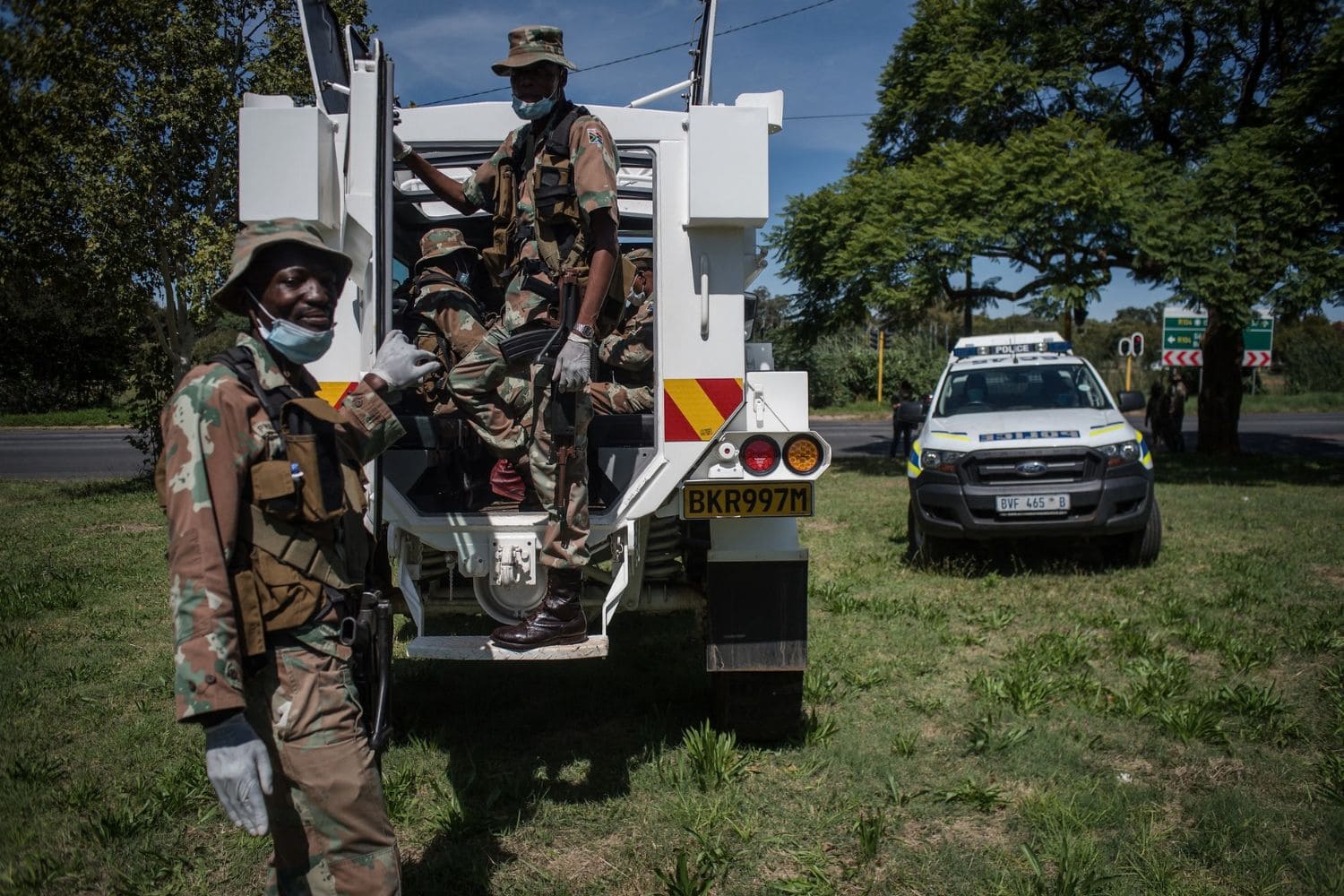
Last month, President Cyril Ramaphosa authorised the deployment of the SANDF to assist the South African Police Service (Saps) in addressing crime hotspots in Gauteng, North West and the Western Cape.
The Eastern Cape was later added to the intervention.
ALSO READ: Here’s how long the SANDF could be deployed to crime hotspots
The military deployment aims to bolster police efforts against organised crime, gangsterism and illegal mining.
The operation is scheduled to run from 1 March 2026 until 31 March 2027.
Alongside the deployment briefing, the committee was also due to receive updates from the SANDF regarding outstanding payments and allowances owed to troops.
A presentation from the National Conventional Arms Control Committee (NCACC) on its annual report was also on the agenda.
Ministers fail to attend meeting
However, both Motshekga and Minister in the Presidency Khumbudzo Ntshavheni – who chairs the NCACC – were absent from the nearly four-hour meeting.
Motshekga reportedly indicated that she was in Gauteng and would be able to participate virtually.
Committee members rejected this arrangement and refused to proceed with adopting the meeting agenda until they were given satisfactory explanations for the ministers’ absence.
“We want the minister here physically,” EFF MP Carl Niehaus said.
READ MORE: Motshekga tells Military Ombud to tighten its belt amid record number of complaints
Niehaus remarked that Motshekga’s absence is nothing but a “deliberate, malicious noncompliance” with the clear indication that the committee gave to the minister.
DA MP Christian Hattingh also criticised the minister’s absence, saying it reflected a broader pattern of avoiding parliamentary oversight.
“We have a well-established history of a minister who defies accountability,” he said.
Hattingh said the situation was particularly frustrating because committee members had anticipated the minister’s absence two weeks ago.
“This cannot be tolerated. It cannot be allowed to continue in this fashion,” the DA MP said, accusing the minister of displaying arrogance towards Parliament.
SANDF details operational plans
Despite the tensions over the ministers’ absence, SANDF Chief of Joint Operations Siphiwe Lucky Sangweni provided details on the operational framework guiding the deployment.
He said soldiers would operate under strict rules of engagement, requiring them to maintain discipline and integrity while respecting human rights.
Particular emphasis, the SANDF official said, would be placed on safeguarding civilians and non-combatants during operations.
Sangweni also indicated that military intelligence teams had already been deployed to prepare for the broader rollout of troops.
READ MORE: Roughly R50 million allegedly misappropriated from army members’ fund – report
Hattingh, however, raised concerns about whether the military was adequately prepared for the operation.
He questioned whether sufficient joint training had taken place between SANDF and Saps personnel ahead of the deployment.
“Where and when did the joint training happen? What was the success? Are we happy? Are we ready?” Hattingh asked.
The DA MP also pointed to gaps in the information provided to the committee regarding logistical readiness, such as equipment availability.
“We know nothing about this. How many SANDF members are at this stage being designated for this deployment? What are our vehicle’s availability, serviceability and reliability?”
Questions over coordination and civilian safety
Niehaus also raised concerns about the timing of the preparations, noting that the deployment had already begun.
He asked what measures were in place to ensure effective coordination between the SANDF and Saps.
“Past deployments have shown that success really depends entirely on the two services functioning in a seamless, combined manner, not as two loose, parallel entities,” Niehaus told the committee.
The EFF MP warned that without proper coordination and training, several risks could emerge, including operational friction between security forces, escalation of force and dangers to civilians, as seen during the Covid-19 lockdown.
“If this cooperation is not properly done, all of those risks became eventually unacceptably high.”
Niehaus also questioned whether SANDF troops, typically trained for combat environments, were sufficiently prepared to operate in densely populated civilian areas, where bystanders and children would be present.
He emphasised the importance of joint standardised operating procedures to prevent legal disputes and operational delays.
NOW READ: Do you trust the troops? SANDF chief says public confidence and morale ‘has never been higher’
About the Author