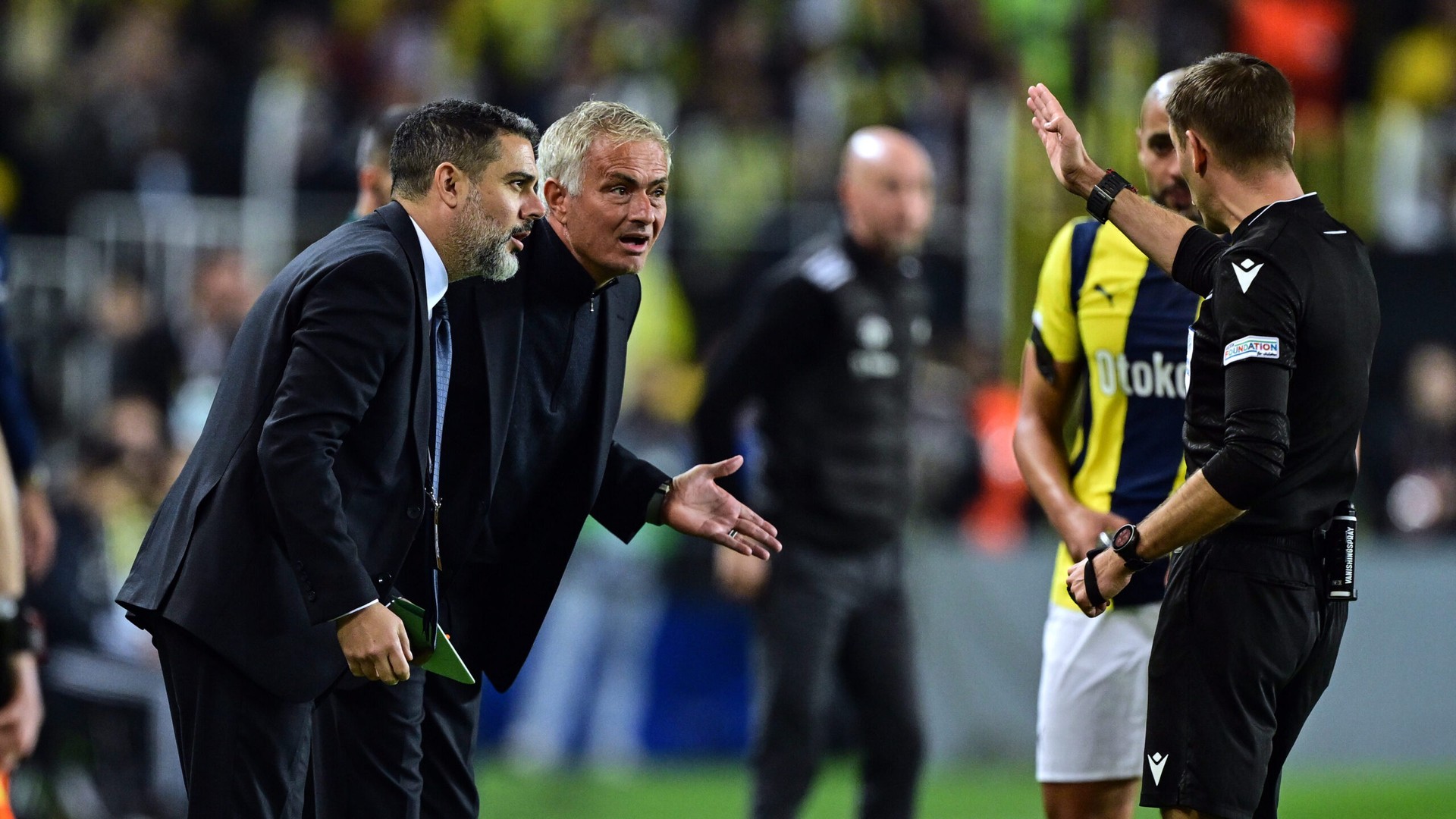
In the wake of a turbulent 2-2 stalemate between Benfica and FC Porto this past Sunday, manager Jose Mourinho has vociferously contested the red card he received during the closing stages of the match. The high-tension “O Clássico” in the Portuguese top flight saw the veteran tactician dismissed following a confrontation with the visiting team’s technical area, an incident that has since dominated headlines across the continent.
Mourinho took the opportunity during his post-match briefing to categorically deny the referee’s official justification for the sending-off. The match officials alleged that the Benfica boss had intentionally directed a kicked ball toward the Porto dugout, a claim Mourinho maintains is a misinterpretation of a celebratory gesture.
Reflecting on the incident, Mourinho clarified his intentions:
“I wasn’t targeting their bench. I kicked the ball to the stands to give lucky fans a chance (to get a match ball).”
Beyond the red card itself, the 63-year-old expressed deep personal disappointment regarding a verbal altercation with Lucho Gonzalez—a member of the Porto coaching staff and a former player under Mourinho during his historic tenure at the Estádio do Dragão. Mourinho revealed that he was subjected to a barrage of insults, specifically being labeled a “traitor” throughout the duration of the encounter.
Seeking a justification for the hostility from a fellow professional, Mourinho questioned the basis of the accusation:
“I would like him to explain what I have betrayed. Because I gave all my heart and soul to Porto,” he said.
The draw leaves Benfica trailing their rivals in the league standings, but the narrative has shifted firmly to the fractured relationship between the legendary manager and his former club. While the point earned maintains Benfica’s competitive positioning, the fallout from the touchline drama and the “traitor” allegations underscores the enduring intensity that follows Mourinho throughout his storied career in European football.
About the Author