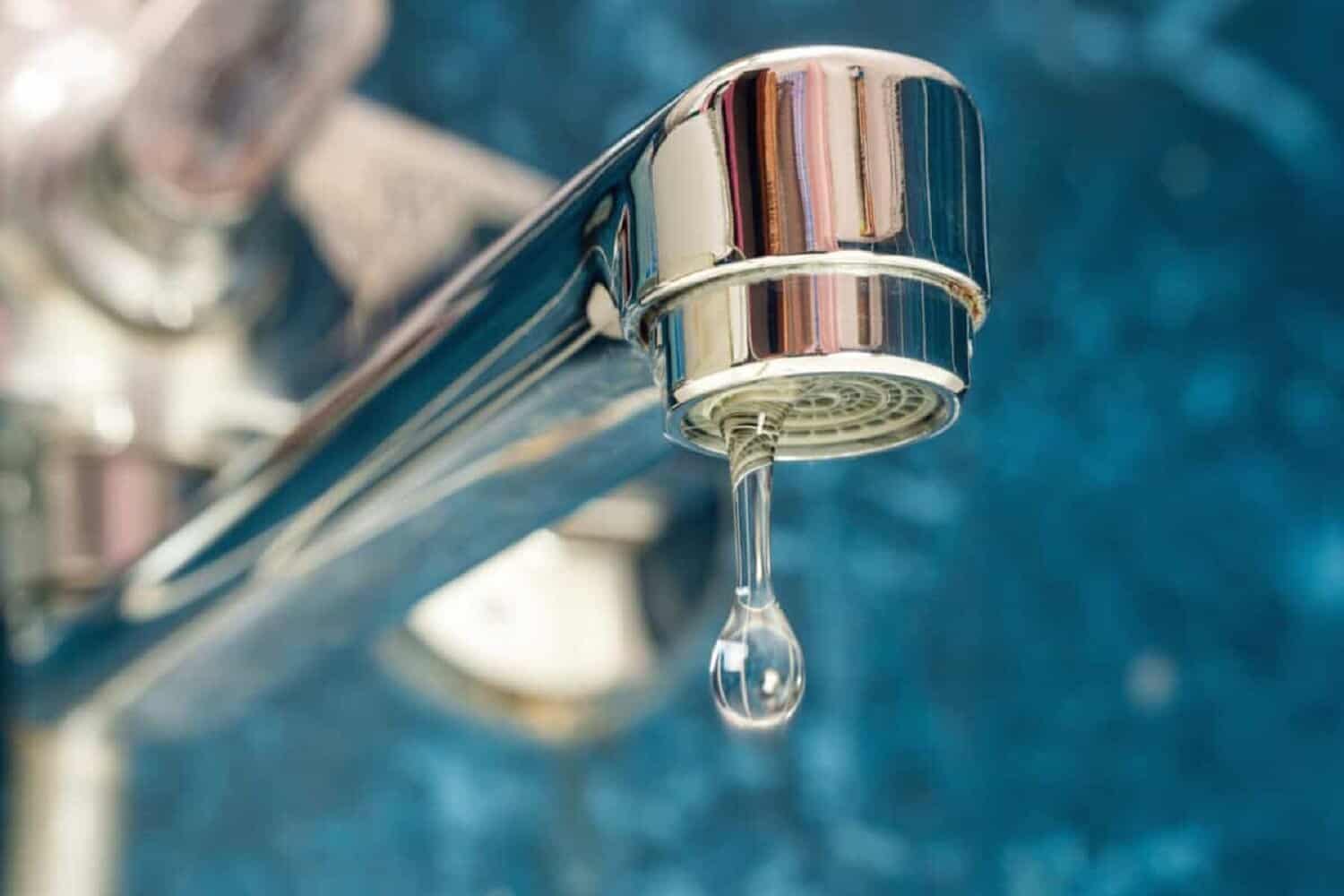
A drop of water drips from a leaky faucet.
South Africa’s water crisis has been worsening for several years, with a recent report finding that more than half of the households in the country experienced water interruptions in 2024.
These enduring, prolonged outages threaten progress towards access to safe drinking water.
The latest statistics emerged during a briefing by the parliamentary water caucus to the portfolio committee on water and sanitation on Tuesday. It was based on the 2024 General Household Survey conducted by Statistics South Africa. The water caucus is an informal cross-party grouping of MPs focused on water, sanitation, and hygiene.
The presentation painted a worrying picture of a country struggling to secure a reliable water supply for the past 20 years.
Water supply under strain
The data shows that just under half of households reported no water interruptions in 2024. This means that more than 50% experienced some form of disruption during that year.
One in three households said their water supply had been interrupted for more than two consecutive days or for 15 days or longer in total over the year.
The presentation noted that water supply is “under strain”, with declining provincial access percentages in certain regions and mounting infrastructure challenges.
Access to drinking water
A further indication of the country’s water issues is seen in the percentage of households without access to water.
In 2024, only 87.7% of households had tapped or piped water in their dwellings or on-site. This is the lowest level since 2004, when it sat at 86.5%. Access to water has also been declining since 2020.
Disparities between provinces persist, with the Western Cape and Gauteng recording the highest levels of access, and Limpopo, Mpumalanga and KwaZulu-Natal significantly underserved.
ALSO READ: These are some of the areas that consume the most water in Joburg
Water quality perceptions
On water quality perceptions, most households reported confidence in the safety and quality of the water they drink. However, provincial variations were evident.
The Northern Cape recorded notably lower confidence levels compared with other provinces, pointing to concerns over taste, colour or perceived contamination.
It stressed that while “water quality perceptions [are] mostly positive”, low confidence in certain provinces “highlights the need for stronger monitoring and reporting”.
Ramaphosa on water woes
During his State of the Nation Address, President Cyril Ramaphosa conceded that water shortages remain one of South Africa’s most urgent challenges, as protests continue to flare up across parts of Gauteng.
“We have committed more than R156 billion in public funding for water and sanitation infrastructure alone over the next three years,” he said.
Although the allocation marks a substantial investment, it falls short of the R400 billion estimate previously put forward by Water and Sanitation Minister Pemmy Majodina as the amount required to fully address the country’s infrastructure backlog.
NOW READ: Water crisis: Residents plan to protest at council meeting in Secunda
About the Author