Foreign minister says Nigeria’s vast oil and gas reserves could help diversify global supply as conflict disrupts shipments through the Strait of Hormuz….
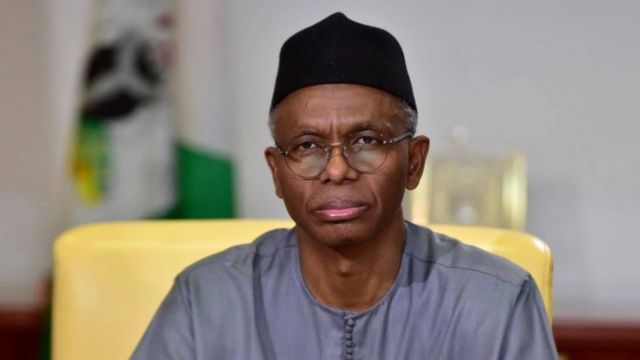
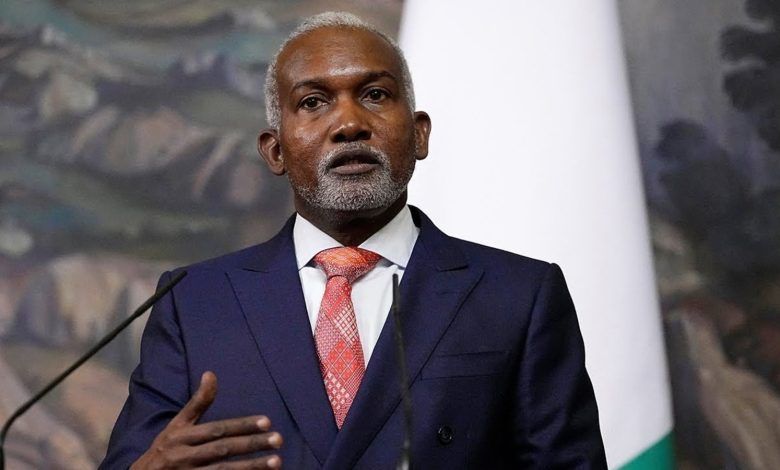
Nigeria’s Minister of Foreign Affairs, Yusuf Tuggar, has said the ongoing conflict in the Middle East highlights why major Gulf energy producers should see Nigeria as a strategic partner rather than a competitor in the global oil and gas market.
Speaking in an interview with Reuters, Tuggar said the crisis involving Iran and its regional rivals has exposed vulnerabilities in global energy supply chains, particularly routes passing through the Strait of Hormuz.
The narrow waterway handles roughly one-fifth of the world’s oil shipments, and recent hostilities have disrupted tanker traffic, forcing exporters to suspend deliveries and driving up global energy prices.
According to the minister, the situation underscores the need for Gulf producers to diversify their supply partnerships, with Nigeria offering significant untapped potential in both crude oil and natural gas.
“It aligns with what we have always advocated that countries which might otherwise see us as competitors should instead work with us and invest so they can diversify their market share,” Tuggar said.
He noted that Nigeria possesses substantial hydrocarbon reserves that could complement supplies from the Middle East at a time when global energy flows remain vulnerable to geopolitical shocks.
Nigeria’s oil production has also begun to recover in recent years.
Tuggar said total output has climbed to around 1.7 million barrels per day, compared with about 1.4 million barrels per day when Bola Ahmed Tinubu assumed office in 2023.
The increase, he explained, has come despite longstanding challenges such as underinvestment, oil theft, and pipeline vandalism that have historically constrained production in the sector.
With additional capital investment in oil fields and pipeline infrastructure, he said Nigeria could significantly expand its production capacity.
Some energy analysts believe the recent escalation including strikes by the United States and Israel on Iranian targets and retaliatory actions by Tehran against Gulf states could make Middle Eastern investors more cautious about expanding into African energy projects.
However, Tuggar suggested the opposite outcome is equally possible.
“It could make them want to work with countries like Nigeria that are rich in gas and oil to diversify their market share for the benefit of both sides,” he said, though he acknowledged that investors might also choose to delay new commitments.
Nigeria has already begun strengthening economic ties with some Gulf countries.
In January, Nigeria and the United Arab Emirates signed a Comprehensive Economic Partnership Agreement, which the Federal Government said is expected to boost trade and attract fresh investment.
Investors linked to Qatar have also announced plans to invest in Nigeria’s gas sector as part of broader efforts to expand the country’s energy infrastructure.
Despite the potential benefits of higher oil prices, Tuggar acknowledged that Nigeria has also felt the economic strain caused by rising global energy costs.
Because the country still imports a large share of its refined petroleum products, increases in crude oil prices often translate into higher transportation and food costs domestically.
The impact is particularly noticeable during Ramadan, when consumption typically rises across many parts of the country.
Meanwhile, the United States has announced plans to release 172 million barrels of crude oil from its Strategic Petroleum Reserve in an effort to calm global markets and reduce prices that have surged amid the conflict.
Looking ahead, Tuggar said Nigeria is better positioned to withstand long-term energy market disruptions as domestic refining capacity expands.
He pointed to the Dangote Refinery, which has a nameplate capacity of 650,000 barrels per day, as a major development that could help meet the country’s fuel demand locally.
According to him, global demand for oil and gas is unlikely to decline significantly in the near future.
“At the moment, the world consumes around 105 to 106 million barrels of oil per day,” he said. “I don’t see that changing much anytime soon, so we need to work together to ensure there are enough hydrocarbons available.”
About the Author