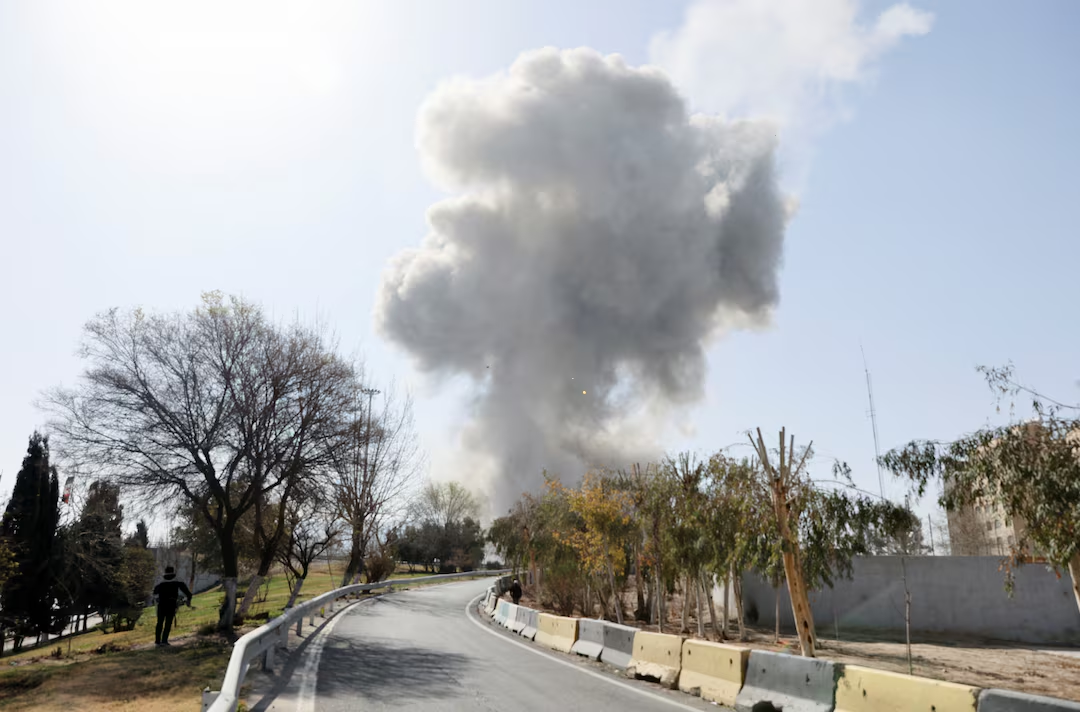
A new wave of strikes has intensified the expanding conflict across the Middle East, with fresh attacks reported in Iran and several Gulf states as hostilities between Iran and Israel entered a dangerous new phase, raising fears of wider regional instability and mounting pressure on the global economy.
The conflict, which escalated sharply following joint U.S.-Israeli strikes on Iran on February 28, has rapidly spread across the region, drawing in multiple countries, disrupting energy markets, and heightening international concern over the security of critical oil routes. Crude prices have remained elevated as tensions continue to threaten global supply chains.
In Tehran, powerful explosions were reported Friday morning, with black smoke seen rising above parts of the capital after Israeli forces said they had struck more than 200 targets in western and central Iran within 24 hours. Residents described widespread fear, shortages of basic supplies, and growing pressure on daily life as the conflict drags on.
According to reports from western Iran, many residents are struggling to access cash, while food supplies are increasingly limited.
“People are rushing to withdraw savings because confidence has collapsed, and bread is now being rationed,” one resident in western Iran said.
The United Nations High Commissioner for Refugees estimates that more than three million people may have been displaced internally since the conflict began, while Iranian officials say over 1,200 people have been killed, although independent verification remains difficult.
Meanwhile, large pro-government demonstrations took place across Tehran and other major Iranian cities during Quds Day, with crowds chanting anti-American and anti-Israeli slogans in support of the Palestinian cause.
Iran’s Islamic Revolutionary Guard Corps also issued fresh warnings against anti-government protests, signaling tougher measures against dissent amid growing domestic pressure.
Strikes Spread Across Gulf States
Iran has also expanded retaliatory drone and missile operations toward neighbouring states hosting Western military assets.
Saudi Arabia said its air defence systems intercepted multiple drones, including one aimed near diplomatic zones in Riyadh. In Dubai, smoke was seen over parts of the skyline following reported drone debris incidents, while authorities in Oman confirmed fatalities after drone fragments struck populated areas.
Security alerts also sounded at Incirlik Air Base in Turkey, a major NATO installation hosting U.S. forces.
In Iraq, regional tensions deepened after Emmanuel Macron confirmed the death of a French soldier during an attack near Erbil, where French troops were participating in military training operations.
A separate U.S. military aircraft crash in Iraq further added to uncertainty, although American officials said there was no evidence of hostile fire.
Civilian Toll Rises in Lebanon
The conflict has also heavily affected Lebanon, where authorities report hundreds killed in recent Israeli strikes, including casualties in central Beirut.
Entire neighbourhoods have been reduced to rubble, with displaced families sheltering in tents along the seafront.
About the Author