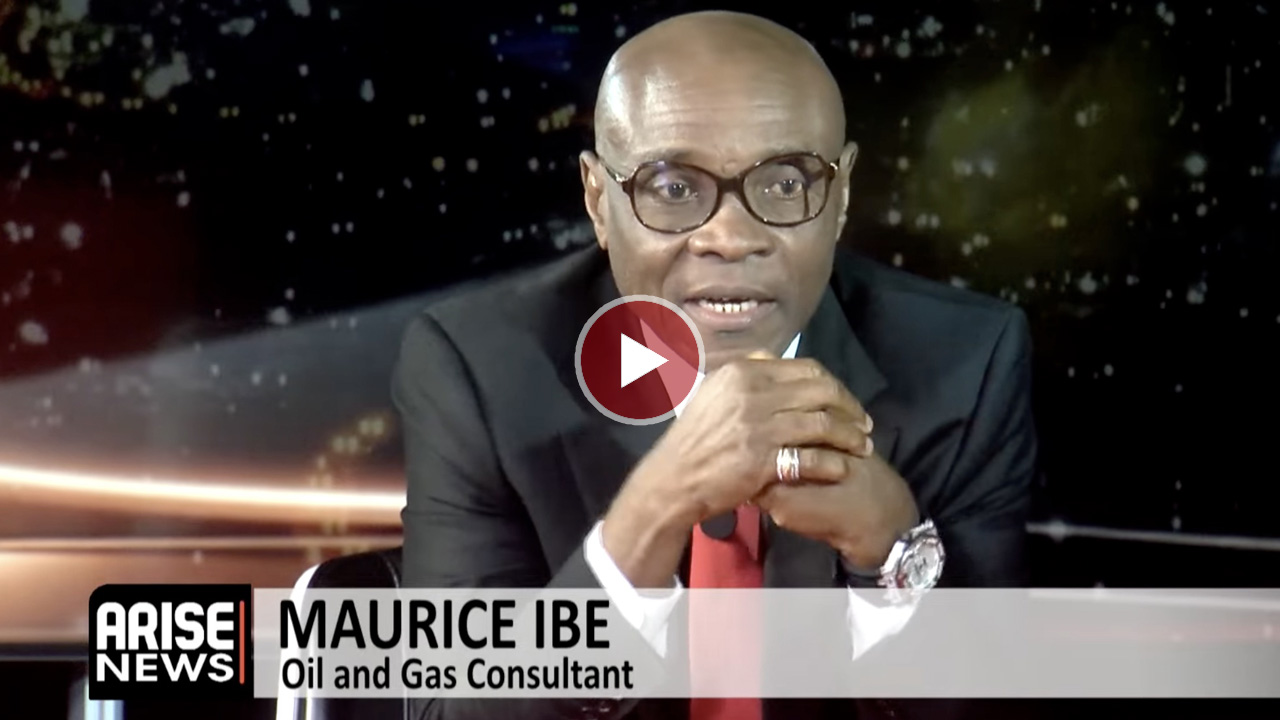
An oil and gas consultant, Maurice Ibe, has criticised Nigeria’s prolonged refinery failures despite over $25 billion spent on turnaround maintenance since 1999.
In an interview with ARISE NEWS on Monday, Ibe said the continued dysfunction of the refineries reflects deep-rooted corruption, weak accountability and political protection within the NNPC.
“It’s sad, really sad. What is troubling about it is that nobody has gone to jail for the corruption and malfeasance that has bedevilled NNPC, especially regarding the refineries. Twenty-five billion dollars and counting, and nothing to show for it — and nobody has gone to prison,” he said.
Ibe criticised successive governments for shielding corruption within the Nigerian National Petroleum Company Limited (NNPCL), describing the state oil firm as a “cash cow” for political elites.

“Not just this government, but most prior governments have never been serious about fixing NNPC. It has been a cash cow for politicians, and because of that, those deeply involved in corruption are protected. They make sure the refineries do not work — and should not work,” he said.
Reacting to claims by former NNPCL leadership that the Port Harcourt Refinery was operating at up to 80 per cent capacity, Ibe dismissed the assertions as misleading, insisting that functioning refineries would have produced visible economic impact.
“When any refinery is working, you will feel the impact immediately — especially in the host communities. If trucks were coming out at 60 or 70 per cent capacity, fuel prices would drop from Port Harcourt to Onitsha, Enugu, Benin and beyond. Nothing like that happened, because nothing was coming out,” he said.
Ibe also disputed the idea that Nigeria’s refinery crisis stemmed primarily from inadequate financing, arguing instead that allocated funds were routinely diverted.
“We were not focusing on financing — we were focusing on stealing the money. If an investor puts in money, he ensures the refinery works. What happened instead was that funds meant for repairs were stolen,” he said.
While agreeing that funding alone is insufficient, the consultant said Nigeria must engage competent engineering, procurement and construction (EPC) firms alongside equity investors with long-term operational stakes.
“We need a reputable EPC company and a competent investor who has the capacity to run the refinery profitably. You can’t just invest and walk away. They must operate it long enough to recover their investment,” he said.
Addressing concerns about local capacity, Ibe insisted Nigeria has skilled engineers but lacks the specialised tools and technical infrastructure required for refinery operations.
“We have many competent Nigerian engineers, but they can’t do it all alone. They don’t have all the tools. You need partners with the equipment, experience and operational capacity. If you fix the refinery and hand it back to the same system, we will return to where we started,” he warned.
Ibe said meaningful reform would only succeed if corruption is addressed, accountability enforced, and refinery management insulated from political interference.
“Without equity investors who can operate these refineries professionally, we will continue to go round in circles,” he added.
Boluwatife Enome
About the Author