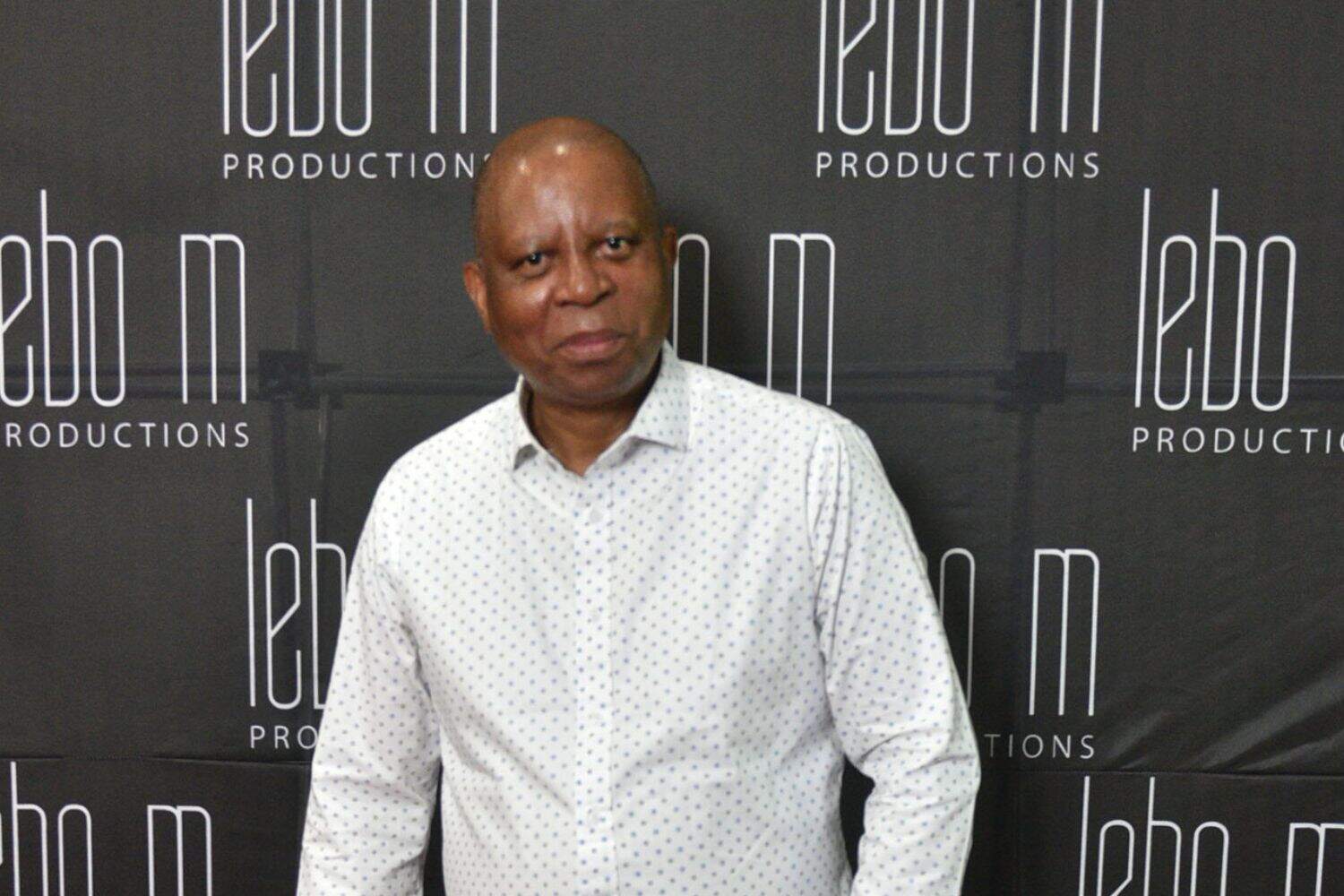
In an impassioned interview with The Citizen, Herman Mashaba, leader of Action SA, has made a bold case for why government must play a decisive role in protecting and funding the arts, arguing that culture is central to South Africa’s survival and prosperity.
Mashaba was speaking on the sidelines of an event celebrating the achievements of legendary composer Lebo M, but his message quickly broadened into a wider political and cultural rallying cry.
“I’m here to celebrate the achievements of Lebo M, but at the same time, I like history, and I like the arts,” Mashaba began. Reflecting on South Africa’s past, he recalled being born during the apartheid era, when the prime minister was Hendrik Verwoerd. “When I woke up in this world, Verwoerd was the prime minister of this country, and he wanted to destroy us.”
Yet even during apartheid’s darkest years, Mashaba says arts and culture remained a powerful force of resistance and identity.
“At the same time, the arts and culture in our communities were so vibrant,” he said. “That’s what built us.”
Now, three decades into democracy, Mashaba believes the creative sector is being neglected and deliberately weakened.
“One of the ways to destroy a nation is to destroy its arts and culture,” he argued. “Because arts and culture, that’s what builds us. That’s why we admire the Hugh Masekela’s, the Lebo M’s. When we grew up, they gave us pride.”
For Mashaba, reclaiming South Africa’s artistic power is not symbolic; it is strategic. He has long spoken about restoring Johannesburg’s status as a continental cultural capital.
“That’s the reason I’m in politics today, to reclaim the city of Johannesburg, to be the epicentre of the arts in Africa,” he said. “So that next time we don’t have to look at New York or London for validation.”
He believes black talent is innate and abundant, but insufficiently supported.
“Take a black kid from Soweto, from Harlem, from anywhere in the world, the arts are in our system. It’s a gift that God has given us,” Mashaba said. “But we need a government that can nurture this.”
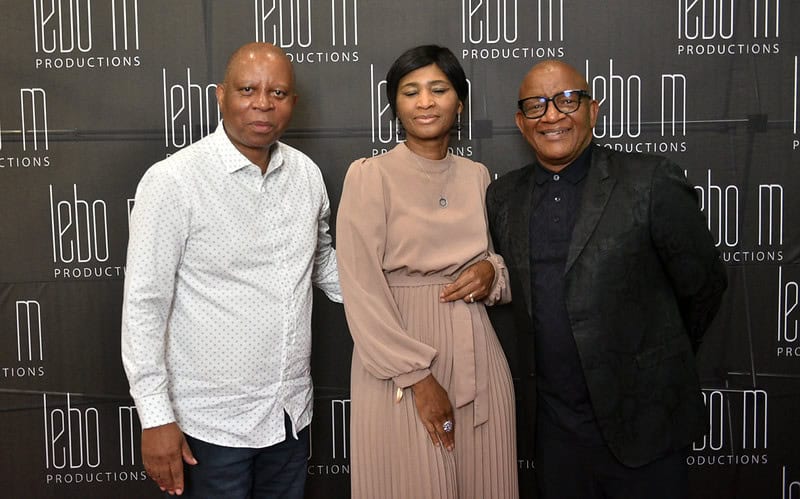
According to Mashaba, the current administration has failed to unlock that potential. He claims that artists recently approached him about forming their own political structure, but then decided to align with ActionSA instead.
“A few weeks ago, artists wanted to form their own political party,” he revealed. “But knowing me from the 80s, during the hard days of our country’s history, how I used my business to support them, they decided to join me.”
He sees this partnership as both political and generational, particularly as he appeals directly to young voters.
“I would appeal to the black youth: please don’t give up on our country. Use your vote as your biggest tool,” he urged. “We are making ourselves available to save you. No one can buy Herman Mashaba.”
At 66, Mashaba insists his leadership is driven by purpose, not profit.
“I’m doing this job on a purely voluntary basis. I’ve put my family’s money into this project. I don’t expect anything,” he said. “The only thing I expect is to see South Africa flourish, to see black talent unleashed, to see black entrepreneurship coming out of the woodworks.”
For Mashaba, the arts are not a luxury line item in a national budget; they are the heartbeat of a nation. Without cultural investment, he warns, South Africa risks losing its identity, its youth, and its global standing.
And as he positions ActionSA as the political home for creatives, one thing is clear: in Mashaba’s vision, the future of governance and the future of the arts are inseparable.
NOW READ: Makhadzi thanks SANDF after first performance since car accident
About the Author