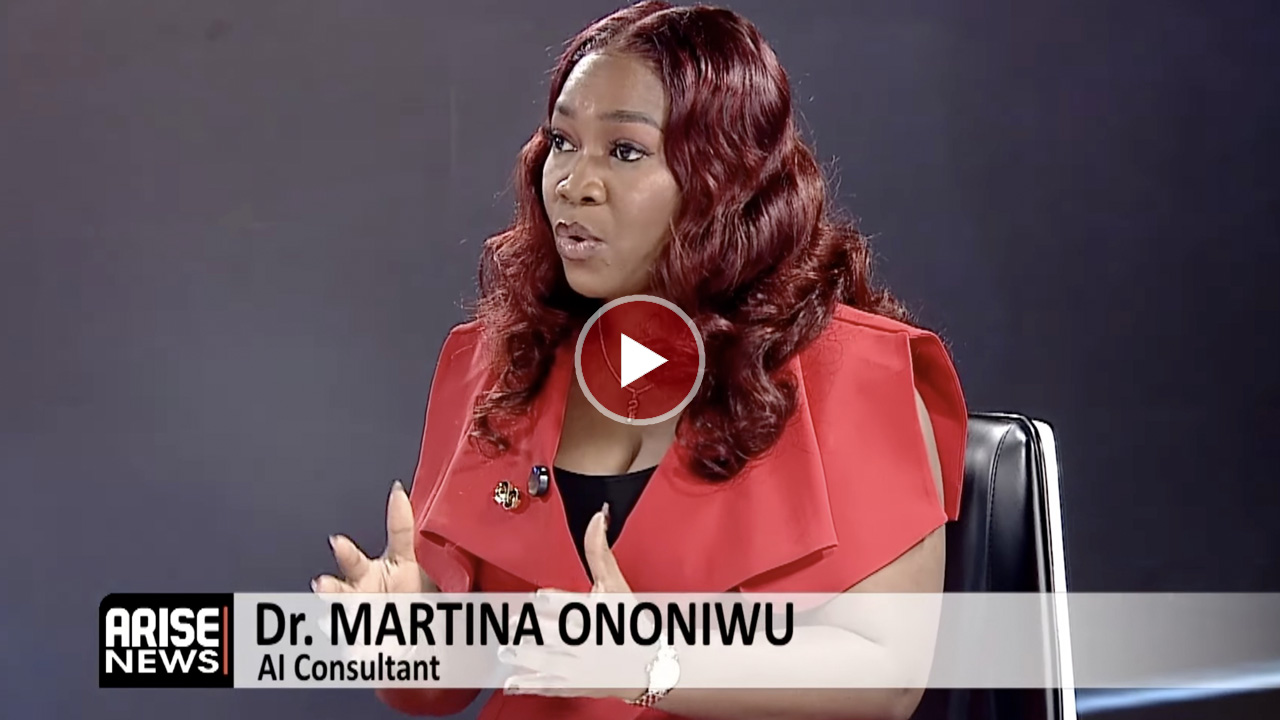
Nigeria must approach the adoption of Artificial Intelligence in its electoral process with caution and structured preparation rather than haste, electoral governance expert Dr. Martina Ononiwu has said, warning that premature deployment could undermine credibility instead of strengthening it.
Speaking in an interview with ARISE News on Sunday, Ononiwu stressed that while AI offers significant opportunities for improving electoral transparency and verification, the country is not yet institutionally prepared for full-scale implementation.
“We must understand that AI is a tool, not a magic wand,” she said. “If the foundational structures are weak, introducing advanced technology will not solve the underlying problems.”

Ononiwu explained that Artificial Intelligence can support voter verification, data validation, and result auditing, but emphasized that successful deployment depends heavily on technical capacity and human expertise.
“You cannot introduce AI into an environment where electoral officers are not sufficiently trained,” she noted. “Capacity building must come first. Technology only works as effectively as the people operating it.”
She further cautioned against immediate expectations of real-time nationwide collation powered by AI, describing such projections as unrealistic under current conditions.
“Real-time transmission across all polling units sounds attractive, but we must be honest about infrastructure limitations,” she said. “We are not fully ready for that level of deployment.”
According to her, a phased or hybrid model where AI complements existing systems rather than replaces them would be a more practical starting point for Nigeria.
“What we need is gradual integration,” Ononiwu explained. “Test the systems, build confidence, train personnel, and then scale up.”
She added that credibility remains the ultimate goal of any technological reform in elections, warning that rushed implementation could create new controversies.
“If people do not trust the system, even the most advanced technology will be questioned,” she said. “Public confidence must grow alongside technological adoption.”
Ononiwu projected that with deliberate planning, training, and infrastructure upgrades, Nigeria could achieve broader AI integration within a few years.
“This is not something to rush in one election cycle,” she said. “With consistent effort, we can realistically move toward fuller adoption in the next two to five years.”
She concluded by reiterating that innovation in electoral processes must be driven by preparedness and institutional strengthening, not political pressure.
“The goal is credible elections,” Ononiwu said. “And credibility comes from readiness, not speed.”
Triumph Ojo
About the Author