Oil Retreats from Highs, Wall Street Slips While Europe Steadies Amid Renewed Hopes of a Deal…
Global markets pulled back on Tuesday after Tehran struck a more conciliatory tone in nuclear discussions with Washington, easing fears of an immediate escalation between the two countries.
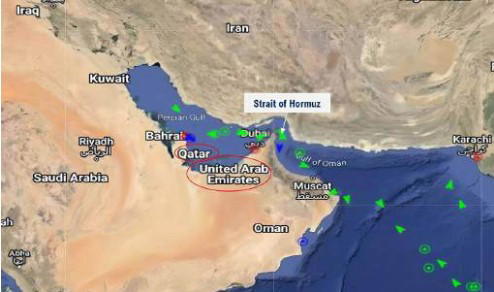
The shift in sentiment followed days of sharp rhetoric from US President Donald Trump, whose warnings toward Iran a major crude producer had earlier rattled energy markets. But speaking after talks in Geneva, Iran’s Foreign Minister Abbas Araghchi said “a new window of opportunity has opened,” expressing cautious optimism that negotiations could lead to a lasting agreement.
While stressing that Iran remains ready to respond to any threat, his remarks were enough to cool some of the anxiety that had pushed oil prices higher at the start of the week.
Crude benchmarks reversed course as traders recalibrated expectations. West Texas Intermediate slipped 0.2 percent to $62.75 per barrel after earlier climbing 1.5 percent. International benchmark Brent North Sea Crude fell more sharply, down 1.4 percent to $67.64 per barrel.
Market watchers say speculation is growing that Tehran could agree to dilute its most highly enriched uranium stockpile in exchange for a full lifting of financial sanctions. Still, uncertainty lingers over whether such concessions would be sufficient to secure a comprehensive deal between both sides.
Wall Street Edges Lower
U.S. equities drifted into negative territory in early trade, reflecting investor caution.
The tech-heavy Nasdaq Composite dropped 1.0 percent, while the Dow Jones Industrial Average slid 0.3 percent. The broader S&P 500 was down 0.2 percent.
Beyond geopolitics, investors are also weighing the rapid spread of artificial intelligence across industries. Insurance brokers, wealth managers, real estate service providers and logistics firms have all come under pressure in recent sessions, as traders try to anticipate which sectors could face disruption next.
Europe Holds Steady, Asia Mixed
European markets found firmer footing by early afternoon.
London’s FTSE 100 rose 0.4 percent, while Paris’ CAC 40 added 0.3 percent. Frankfurt’s DAX also climbed 0.4 percent.
In Asia, Tokyo’s Nikkei 225 closed 0.4 percent lower. Chinese markets remained shut for the Lunar New Year holiday, keeping regional trading volumes relatively thin.
Currency Markets React to UK Jobs Data
In foreign exchange markets, the dollar gained ground against the British pound after official data showed UK unemployment rising to 5.2 percent in the final quarter of last year, its highest level in five years.
The figures reinforced expectations that the Bank of England could move to cut interest rates as early as next month. The dollar also strengthened against the euro but eased slightly versus the Japanese yen.
Germany’s Recovery Faces Headwinds
Meanwhile, Germany’s Chamber of Industry and Commerce warned that Europe’s largest economy may struggle to stage a meaningful rebound in 2026. Persistent geopolitical uncertainty, elevated costs and soft domestic demand are expected to weigh on growth.
Germany returned to modest expansion in 2025 after enduring two consecutive years of recession, but business confidence remains fragile.
With diplomacy tentatively back on the table and central banks navigating cooling labor markets, investors are once again balancing geopolitical risk against shifting economic fundamentals. The direction of oil and the broader market mood may now hinge on whether negotiations between Washington and Tehran translate into tangible progress.