Optimism lifts global equities after signals from Washington and Tehran, yet energy markets remain on edge over supply disruptions and geopolitical uncertainty…..
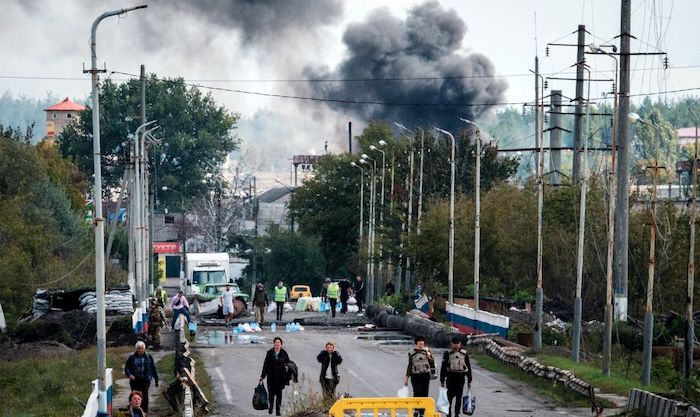
Asian and global stock markets rallied sharply on Wednesday as fresh signals from Donald Trump and Masoud Pezeshkian raised hopes that the ongoing Middle East conflict could wind down within weeks.
Investor sentiment improved after Trump suggested the United States could conclude its involvement “very soon,” possibly within two to three weeks, while leaving the door open for a negotiated settlement. Around the same time, Pezeshkian indicated that Tehran was willing to bring the conflict to an end provided certain guarantees were met to prevent future hostilities.
The prospect of de-escalation sent Wall Street soaring, with the Nasdaq jumping 3.8 percent and the S&P 500 climbing nearly three percent. Asian markets followed suit, posting some of their strongest gains since the conflict began. Seoul led the rally with a surge of more than six percent, while Tokyo and Taipei each advanced by at least four percent. Other regional markets, including Hong Kong, Shanghai, Sydney, Singapore, Manila, and Jakarta, also recorded solid gains.
Despite the upbeat mood in equities, oil markets told a more cautious story.
Crude prices rose again on Wednesday, extending volatility driven by fears surrounding the Strait of Hormuz, a critical artery through which roughly one-fifth of the world’s oil and gas supply flows. Concerns intensified after Trump stated that the United States would not take responsibility for securing or reopening the passage if disruptions persist.
His remarks underscored a growing uncertainty about global energy supply, particularly as tensions in the region remain unresolved. Earlier comments on social media also saw Trump criticize allied nations for not contributing to efforts to safeguard the waterway, suggesting they may need to secure their own energy routes.
Meanwhile, Israel signaled no immediate slowdown in its military campaign, with Prime Minister Benjamin Netanyahu reiterating that operations would continue until objectives are achieved. The stance added another layer of complexity to an already fragile geopolitical landscape.
Even as diplomatic rhetoric improves, the economic consequences of the conflict are becoming increasingly visible. In the United States, gasoline prices have climbed above $4 per gallon for the first time in four years, while Europe is grappling with renewed inflationary pressure. Governments across multiple regions are rolling out support measures to cushion the impact on households and businesses.
Analysts warn that elevated oil prices could continue to strain the global economy, even if hostilities ease in the near term. With crude still trading above $100 per barrel, higher energy costs are expected to tighten financial conditions, fuel inflation, and weigh on economic growth.
Adding to the uncertainty, reports suggest that regional players could become more directly involved. According to officials cited in international media, the United Arab Emirates is considering support for efforts to forcibly reopen the Strait of Hormuz potentially marking a significant escalation and drawing more countries into the conflict.
For now, markets are balancing cautious optimism with persistent risk. While investors are clearly encouraged by signs of a possible diplomatic breakthrough, the combination of military activity, supply chain threats, and mixed political signals suggests that volatility is far from over.
As the situation evolves, traders and governments are bracing for what comes next.