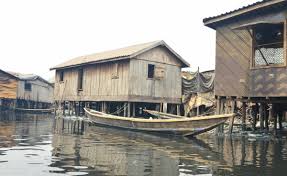
The Lagos State House of Assembly’s proposal to relocate residents displaced by waterfront demolitions in Makoko and surrounding areas to Agbowa, Epe, has been rejected by community representatives, who insist no relocation agreement was ever made.
Residents of Makoko and other demolished waterfront communities, alongside civil society organisations, say the relocation was never discussed or agreed upon during consultations with lawmakers following the December 2025–January 2026 demolitions.
Iroko Temitope, leader of the Makoko Community Youth Association, said, “That claim is not true. There was no agreement with us about relocating people anywhere. We nominated a committee to represent the community, but the committee itself was unaware of any relocation decision”.
The Assembly had recommended resettlement following the adoption of a report by its Committee on Rules and Business, chaired by Noheem Adams. The report noted that the demolitions destroyed thousands of homes and properties, affecting livelihoods, particularly fishing, which requires living along the waterfront.
Governor Babajide Sanwo-Olu has announced plans to invest about $10 million in regenerating Makoko, including a proposed “water city” project. Palliative measures, including N20 million for food support, have also been set aside for affected residents.
Some residents alleged that demolitions exceeded the originally communicated 30-metre setback, a claim the government denied. State officials, including Commissioner for
Information and Strategy Gbenga Omotoso, defended the exercise, citing safety risks from buildings along waterways and under high-tension power lines.
Olajide Babatunde, Special Adviser on e-GIS and Urban Development, said the demolitions form part of broader urban regeneration efforts to enforce planning standards and improve resilience in Lagos.
Experts and community advocates have cautioned that without careful planning, the demolitions and relocation proposals could exacerbate Lagos’ housing crisis and displace vulnerable residents.
They urged the government to engage affected communities directly in all redevelopment decisions, ensure livelihoods, particularly for fishing families, are protected, and integrate social amenities and infrastructure into new settlements. Residents and civil society groups further called for transparent communication, timely compensation, and meaningful inclusion in urban regeneration projects to avoid further social and economic disruption.
About the Author