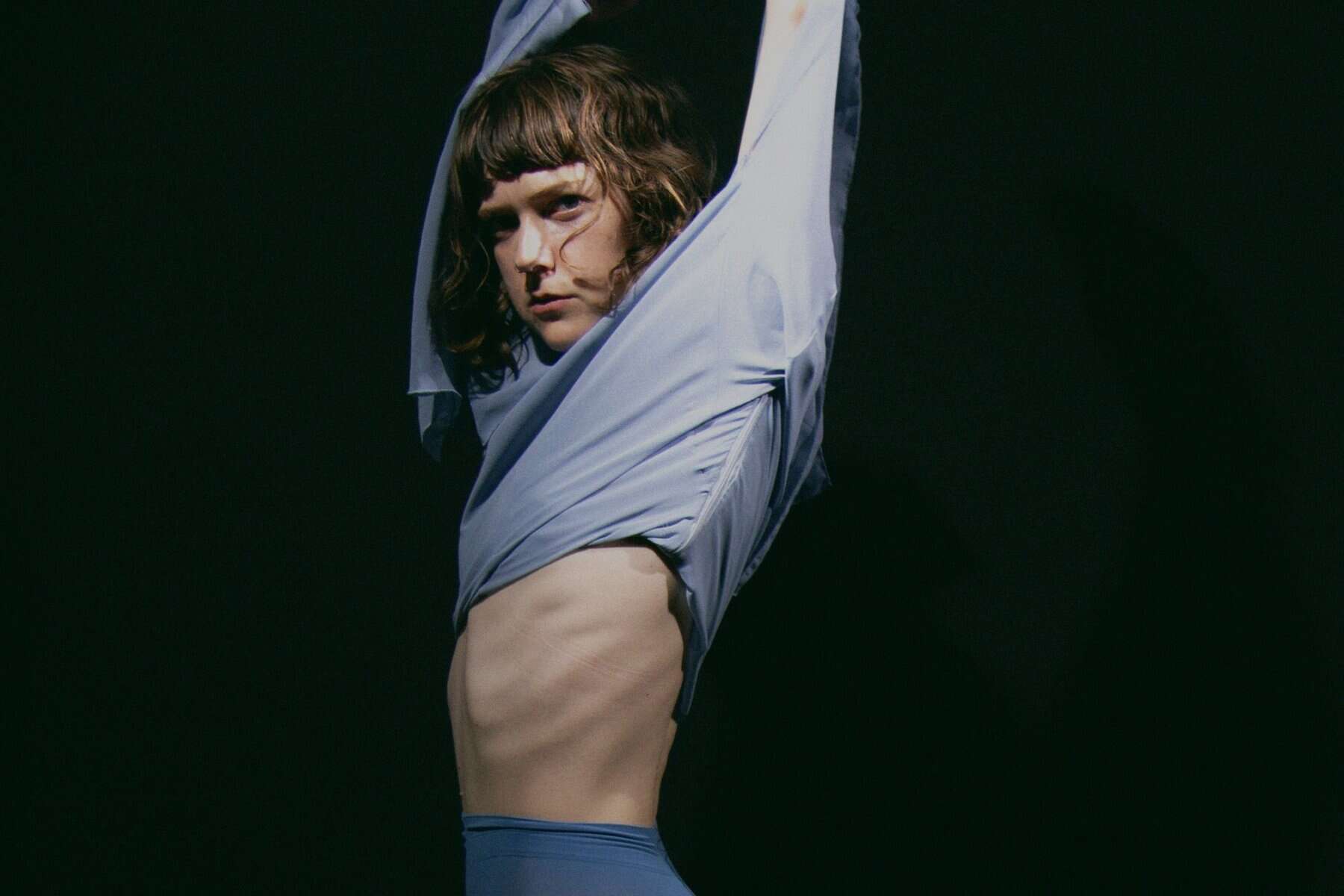
It’s not just music. It’s a lullaby, it’s a confessional, its deep waters and soul food.
Somewhere between Massive Attack, Siouxie and the Banshees and the Sisters of Mercy on a quiet day, Lucy Kruger and The Lost Boys have nailed the art of atmospherics.
The band’s music fills the room, and Kruger, well, her vocals deliver lyrics that are larger than life.
The German-based band has just released its first work after half a decade. It’s called Pale Bloom, and it’s a rough and tumble of space, time, love, desire, and a healthy measure of grey.
How much of your own story still lives inside your music?
It’s a big question, and perhaps the new album is my attempt to answer it.
I don’t think it’s possible to look at your life with completely different eyes because the stories we are told, and the ones we tell ourselves, shape who we become.
I once wondered whether we could rewrite our origin stories or replace them with new ones, but I don’t believe that’s really possible.
My generation also grew up with religion as a framework for meaning, and when that faded into myth for many of us, it left a strange void, and often a sense of guilt we didn’t quite know how to process.
Growing up in Johannesburg in the early post-apartheid years also left its own complicated mark. There was a sense that things had been fixed, but it quickly became clear that reality was far more complicated, leaving a difficult tension around history, identity, and the idea of home.
Living away from it all has given me some distance to try to understand it better, but I’m still a long way from making full sense of it.

What did teenage Lucy think music was for?
For deep feeling. It is for dancing and dreaming and screaming. For choreographed routines. For holding the rage and desire that were so intensely felt and had no real outlet.
It was probably the time when I had the purest, most vital relationship with music.
Experience Lucy Kruger and The Lost Boys
Your music is atmospheric.
I want the music to feel like the ocean at night, but it’s not something I consciously think about when I’m writing. I’ve just never been tempted to fill my songs up too much.
Your songs often feel like they’re balancing between tenderness and threat.
I think that’s just where music lives for me, trying to surface the strange and unspeakable, which is often full of tension, through tenderness.
I think it’s a kind of stretching of the emotional landscape of my life, a collage of meaning that doesn’t need to answer anything articulately but does help me make sense of things. Or at least touch on the nonsense of things.
Love in your music rarely feels simple or romanticised.
Love is such a big, beautiful, battered word, and the presence or absence of it seems to be at the centre of most things. So I think it means everything, except when it means nothing.
Do you see darkness in your music as something to be feared, or as a space of transformation?
I think it’s very important to be seen for all that we are and feel, and it’s not always easy to access or acknowledge the heavier parts of ourselves. Music allows that. And that permission to feel offers me a kind of lightness.
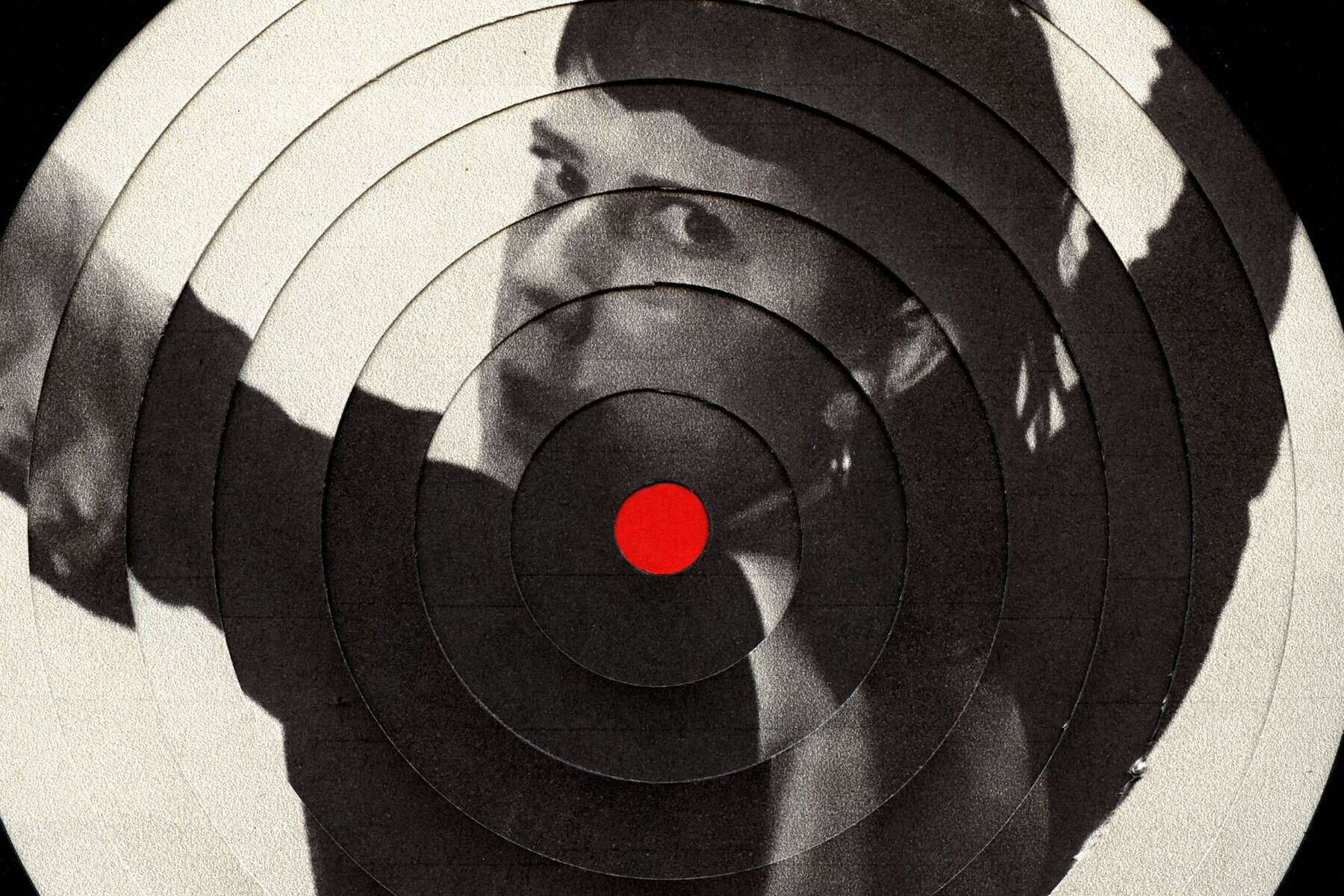
The visual imagery around your albums and performances is stark and often minimal.
A landscape of feeling. A way to give the listener a kind of visual clue about how to enter the world. A new entry point.
ALSO READ: Gen Z artist Rayne: ‘Music is my oxygen’
Berlin has a long history of experimental and underground art. How has living there reshaped the way you think?
More than anything, it’s given me a lot of time and space to be alone, and in some ways to look at the world and my life with a certain distance. Of course, the energy of the place permeates, but so does the fact of being a stranger. The loosening of your identity and history is a very interesting experience.
Many listeners describe your music as hypnotic.
I think a certain kind of repetition, any musical groove, gives the body a chance to take over from the head for a moment. When the front of your brain has permission to rest, the quieter parts have a chance to surface. I’m still unsure exactly what my intentions are. Somebody might be able to figure it out better than me.
NOW READ: Wonderboom’s Cito segues to goth with BLVD HVNNY
About the Author