Presidential elections were held in Djibouti on Friday, with Ismail Omar Guelleh tipped to win a sixth term in office.
Guelleh, 78, has governed the small but strategically important Horn of Africa nation for 27 years, maintaining a firm grip on power while positioning Djibouti as a key international military and maritime hub.
Although Guelleh had previously suggested he would step aside, a constitutional amendment passed in November removed the presidential age limit of 75, allowing him to contest again.
He faces only one challenger, Mohamed Farah Samatar of the Unified Democratic Centre (UDC), a little-known opposition party with no parliamentary representation.
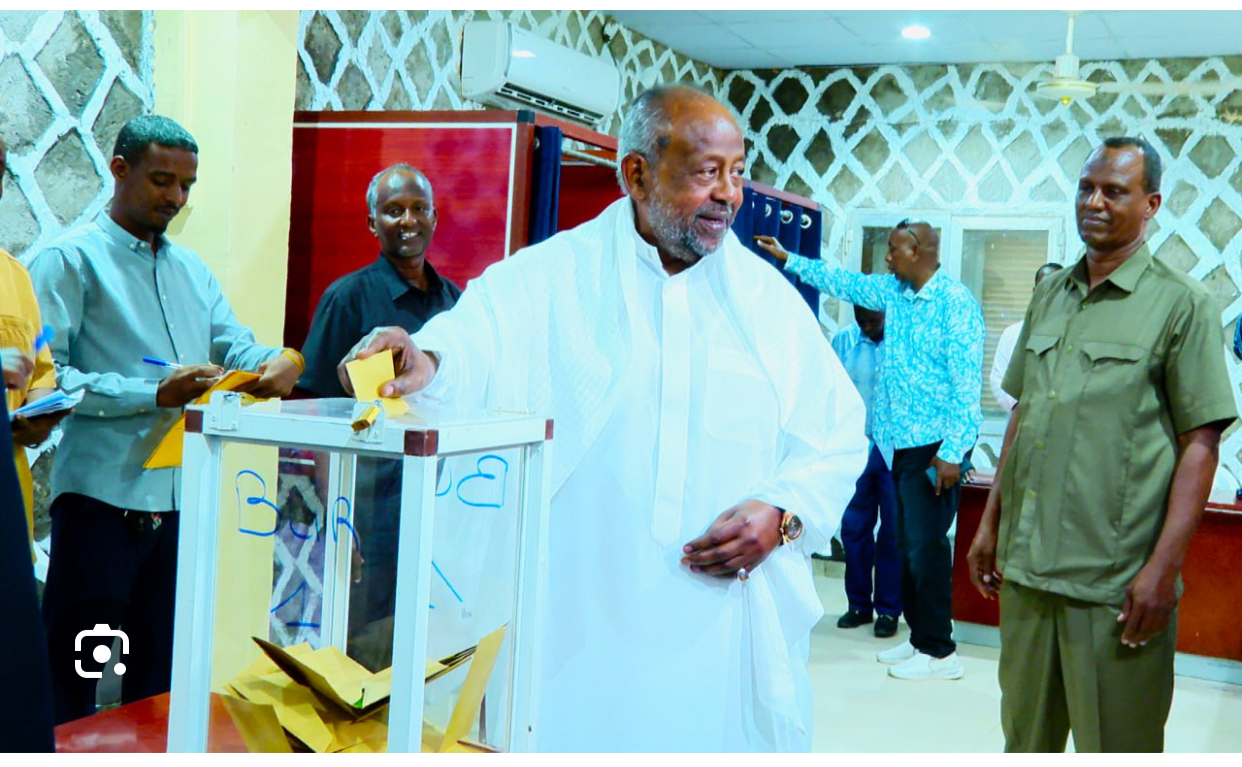
Turnout appeared low several hours into voting across multiple polling stations, with just over 256,000 registered voters eligible to cast ballots.
Under tight security, Guelleh, widely known as IOG, voted at City Hall alongside his wife, while Samatar cast his ballot earlier in the day.
Polling stations are scheduled to close at 6:00 pm (1500 GMT), with results expected shortly afterwards.
Guelleh’s campaign has dominated the capital with large posters and rallies, while his opponent has struggled to attract significant crowds, with state television showing only modest attendance at Samatar’s events.
In the 2021 presidential election, which was largely boycotted by opposition groups, Guelleh won more than 97 percent of the vote.
He succeeded the country’s first president, Hassan Gouled Aptidon, in 1999 after serving as his chief of staff, and has since faced little meaningful electoral competition.
Djibouti also faces economic pressures, including high youth unemployment estimated at around 70 percent and rising public debt linked largely to infrastructure development and loans from China.
Strategically located on the Bab al-Mandab strait, linking the Red Sea and the Gulf of Aden, Djibouti plays a critical role in global shipping routes and depends heavily on its ports, which account for around 70 percent of its economy and serve landlocked Ethiopia.
Despite economic and social challenges, Guelleh’s long tenure continues to be shaped by Djibouti’s strategic importance and limited political competition.