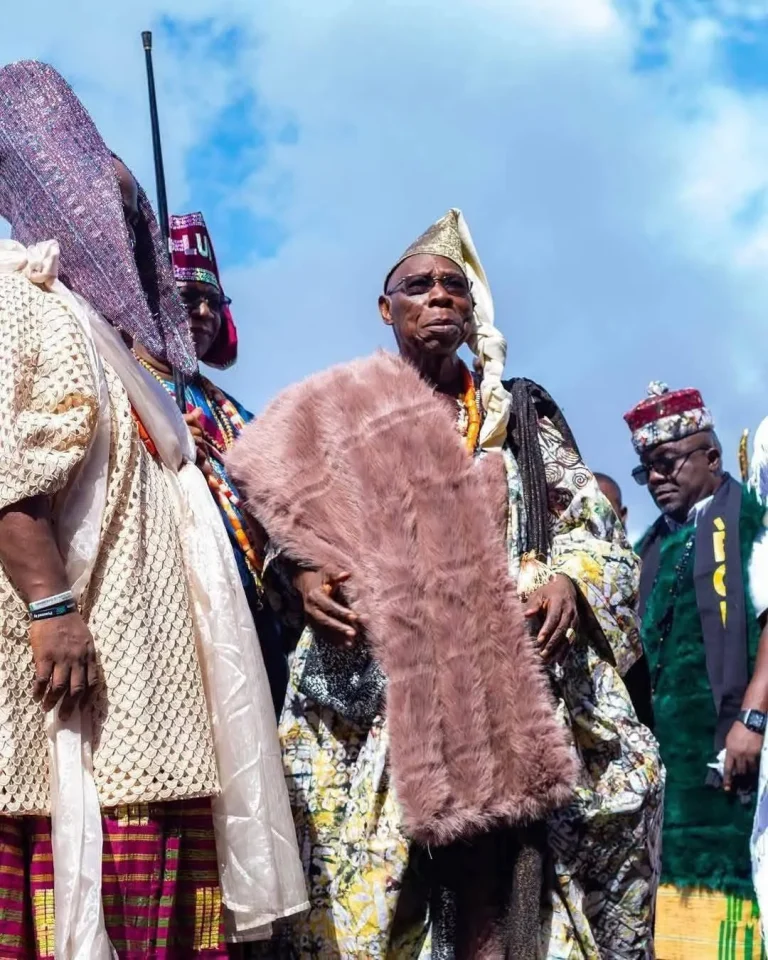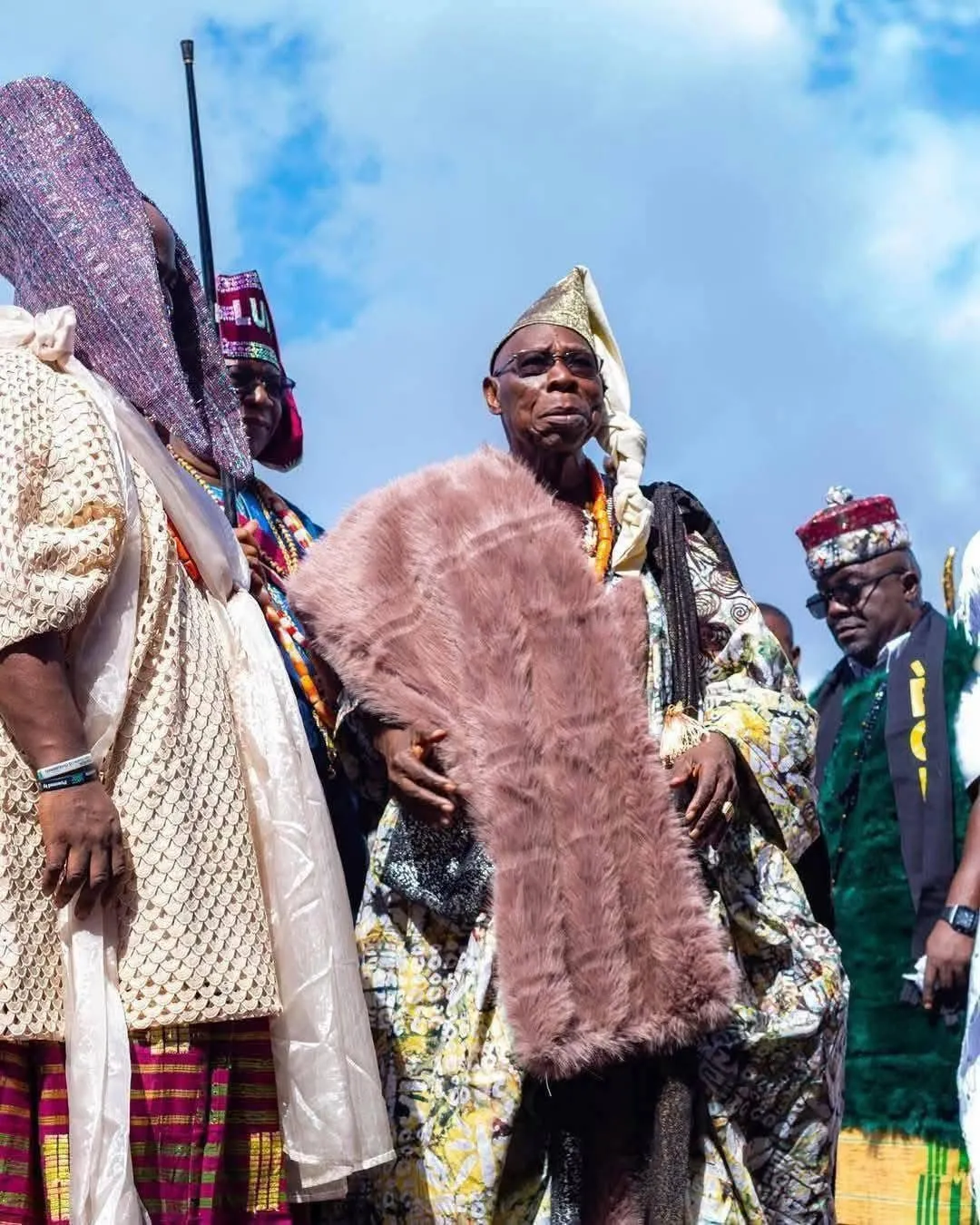
The ancient city of Abeokuta came alive on Saturday as Egba indigenes gathered at the historic Ake Palace grounds for the grand finale of the 39th Lisabi Festival. The colourful event marked the end of a week-long celebration that began on March 23.
The annual festival pays tribute to Lisabi Agbongbo Akala, the revered Egba war hero who led a rebellion against the Oyo Empire in the 18th century, securing freedom and autonomy for his people. His legacy remains central to the identity and pride of the Egba nation.
Activities throughout the festival highlighted the rich cultural heritage of the Egba people. Traditional rites, dramatic reenactments of historic battles, rhythmic drumming, and vibrant dance performances captivated attendees and showcased the community’s enduring traditions.

Held under the authority of the Alake of Egbaland, the celebration brought together the four major Egba divisions — Ake, Oke-Ona, Gbagura, and Owu — reinforcing unity and shared cultural values.
A major highlight of the closing ceremony was the Egbaliganza, a cultural fashion showcase spearheaded by the Aare of Egbaland, Chief Lai Labode. The event featured coordinated displays of traditional attire, with Abeokuta’s renowned Adire fabric taking centre stage, while also promoting indigenous businesses.
Organisers had earlier clarified that Egbaliganza occupies only a brief segment of the festival and does not overshadow its historical significance.
The festival also doubled as a homecoming, attracting Egba sons and daughters from across Nigeria and the diaspora, alongside political leaders, entrepreneurs, and cultural figures.
During the week, Abeokuta experienced increased commercial activity and bustling street life, as traders and vendors benefited from the influx of visitors. Security presence was heightened across major venues to ensure a peaceful and successful celebration.
About the Author