New report highlights growing role of state-level reforms, with Kaduna and Oyo trailing closely behind….
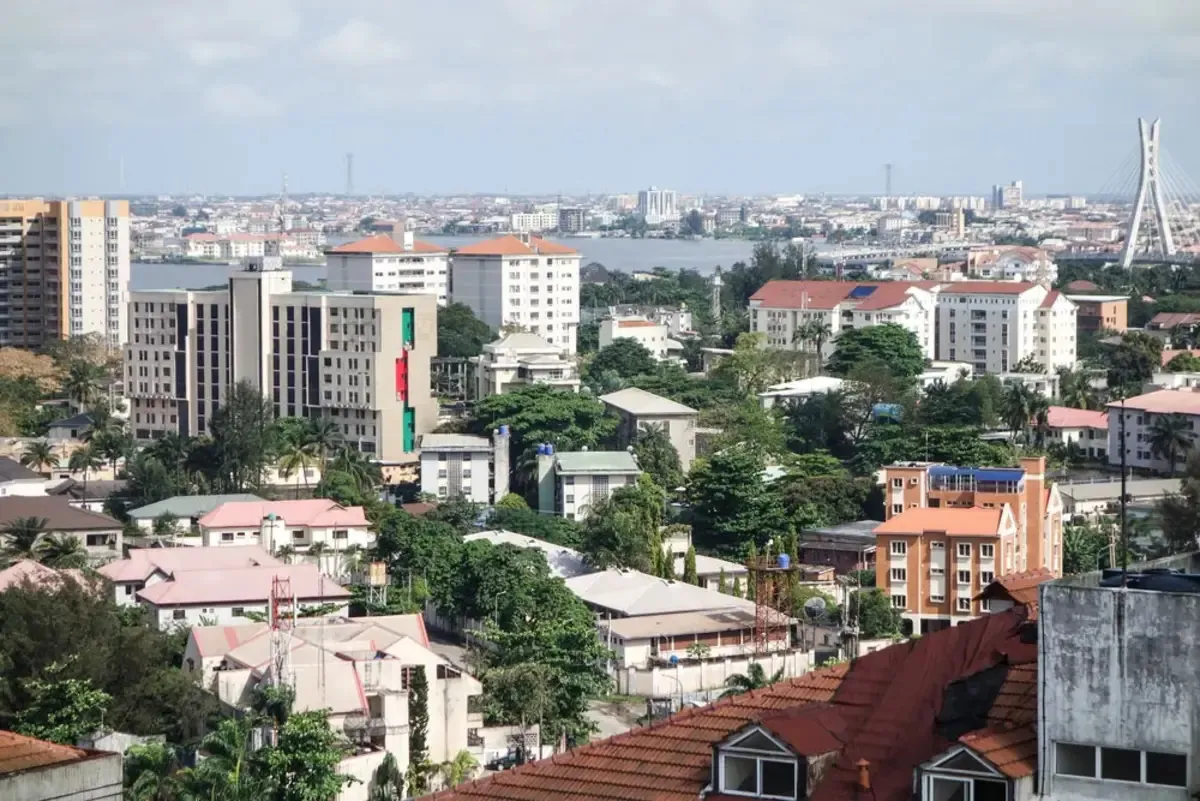
Lagos State has emerged as Nigeria’s most business-friendly state, according to a new nationwide assessment that underscores the increasing importance of subnational reforms in shaping the country’s economic future.
The ranking was unveiled in Abuja on March 28 at the Reform and Diplomatic Roundtable 2026, organised by the Presidential Enabling Business Environment Council in collaboration with development partners including UK International Development.
Top 10 States for Ease of Doing Business
Lagos led the pack, followed by:
- Kaduna State
- Oyo State
- Federal Capital Territory
- Ogun State
- Enugu State
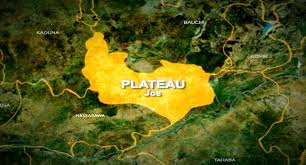
- Plateau State
- Ekiti State
- Kano State
- Nasarawa State
The report credits Lagos’ top ranking to its strong regulatory environment, relatively advanced infrastructure, and higher levels of institutional transparency compared to other states.
Why Lagos Came First
According to the findings, Lagos stands out for:
- More reliable electricity access
- Efficient land administration systems
- Functional commercial courts
- Strong transport infrastructure, including airports and rail
- A skilled workforce and deep market access
These advantages make it easier for businesses to start, operate, and scale within the state.
Gaps Beneath the Success
Despite its top position, Lagos still faces notable challenges.
The report flagged concerns such as:
- Touting and loitering around key business hubs
- Weak investor aftercare systems
- Uneven digital connectivity outside urban centres
These issues, analysts say, could affect investor confidence if not addressed.
States Now Driving Economic Growth
A key takeaway from the report is that Nigeria’s economic performance is increasingly tied to how well individual states remove bottlenecks affecting businesses.
With over 39 million Micro, Small, and Medium Enterprises (MSMEs) operating across the country, the report emphasised that reforms at the state level are now just as critical as federal policies.
“This is more than a ranking,” the report noted. “It provides real insight into where progress is happening and where challenges persist.”
How the Rankings Were Measured
The assessment used 16 core indicators and 36 sub-indicators covering areas such as:
- Electricity and infrastructure
- Digital connectivity
- Land and regulatory systems
- Taxation and trade logistics
- Access to justice and dispute resolution
- Workforce development and investor support
The methodology relied heavily on data reflecting actual service delivery not just policy frameworks.
Regional Imbalance Emerges
The results also revealed uneven development across Nigeria’s regions:
- South-West: 4 states in the top 10
- North-Central: 3 states
- North-West: 2 states
- South-East: 1 state (Enugu)
- No representation from the North-East or South-South
Enugu State, the only South-East state on the list, performed strongly in digital connectivity and infrastructure but struggled with access to credit and investor support systems.
What Needs to Change
The report outlined several reforms needed to improve Nigeria’s business climate nationwide, including:
- Digitising land administration systems
- Expanding access to credit
- Strengthening commercial courts and dispute resolution
- Removing interstate trade barriers
- Improving logistics and transport infrastructure
- Enhancing digital connectivity
- Establishing one-stop investment centres
It also highlighted persistent issues with company registration processes, noting that inefficiencies still discourage many businesses from formalising their operations.
The Bigger Picture
The ranking reinforces a growing reality: Nigeria’s economic competitiveness is no longer determined by federal policy alone.
As states like Lagos continue to push ahead with reforms, others may need to accelerate efforts or risk being left behind in the race to attract investment.
For businesses and investors, the message is clear: where you operate in Nigeria increasingly matters just as much as what you do.
About the Author