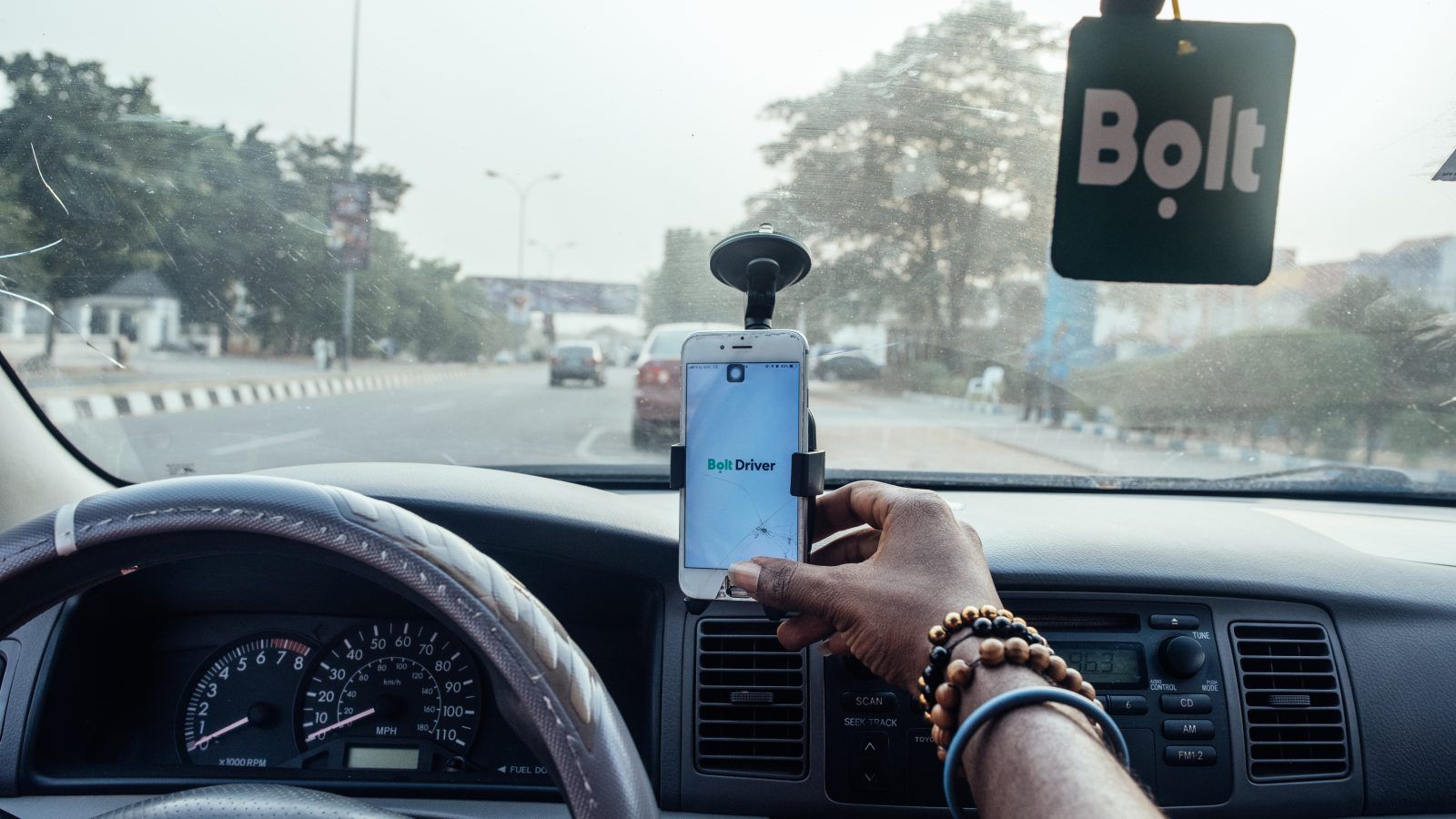
Drivers on Uber, Bolt, inDrive and Lagride platforms log off in protest, citing rising fuel costs, inflation and unsustainable earnings…..
Ride-hailing drivers operating in Lagos under major digital transport platforms have commenced a three-day strike to protest what they describe as poor working conditions and unsustainable fare structures.
The industrial action affects drivers working with platforms including Uber, Bolt, inDrive, and Lagride.
The Amalgamated Union of App-Based Transporters of Nigeria (AUATON), Lagos chapter, announced the strike on Sunday during a press briefing, saying the decision followed months of complaints from drivers struggling to cope with rising operational costs.
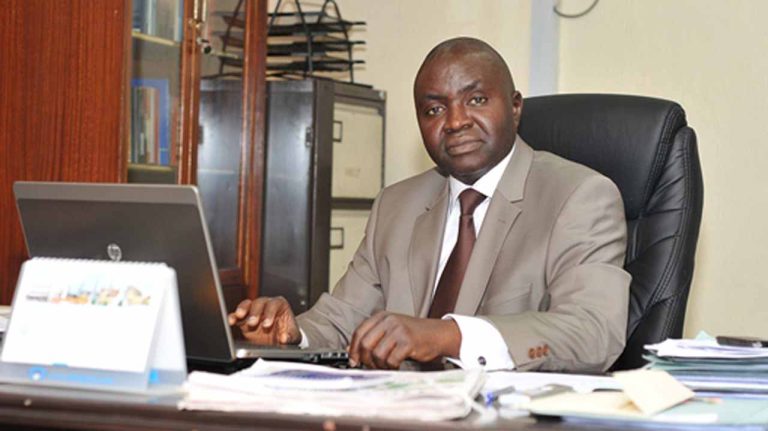
According to the union’s Public Relations Officer, Steven Iwindoye, the economic realities facing drivers have worsened in recent months, making it increasingly difficult for them to earn a sustainable income.
Drivers cite rising costs
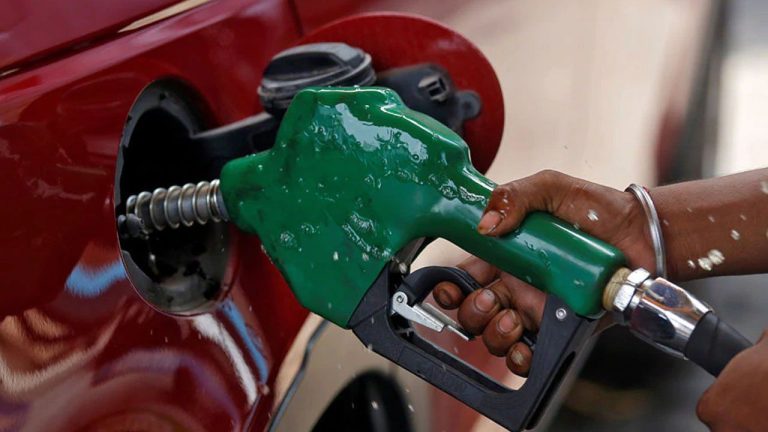
Iwindoye explained that drivers on ride-hailing platforms are dealing with mounting expenses, including higher fuel prices, increased vehicle maintenance costs, inflation and the general rise in living expenses.
Despite these pressures, he said the pricing structures set by ride-hailing companies have remained largely unchanged.
“Drivers operating on these platforms face rising operational costs, including high fuel prices, vehicle maintenance, inflation and daily living expenses,” he said.
“Unfortunately, fare structures and policies of these companies have not been adjusted to reflect these economic realities.”
The union noted that many drivers now work long hours but still struggle to make enough money to support themselves and their families.
Drivers log off platforms
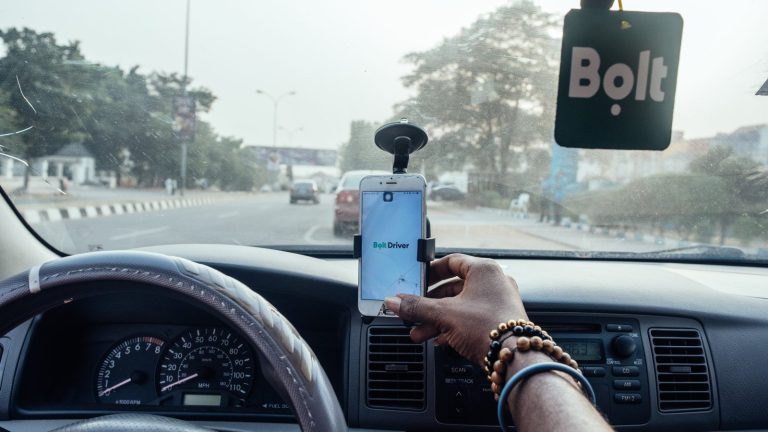
As part of the protest, drivers across Lagos are expected to log off their apps and suspend services for three days, a move the union hopes will push companies and regulators to address their concerns.
Iwindoye stressed that the strike is not intended to inconvenience commuters but rather to draw attention to what drivers describe as unfair conditions within the app-based transport sector.
He said the action is aimed at demanding fair treatment, improved earnings, and stronger safety protections for drivers who provide essential transport services across the city.
Union demands reforms
AUATON said it has submitted 10 key demands to ride-hailing companies and relevant authorities.
Among the demands are:
- An immediate review of fares to reflect current fuel and maintenance costs
- A reduction in platform commission charged by ride-hailing companies
- The introduction of a regulated minimum base fare to prevent extremely low-paying trips
- Stronger rider verification systems to improve driver safety
- Functional emergency panic buttons and faster response to security threats
The union is also calling for accident, health and life insurance coverage for drivers while they are active on ride-hailing platforms.
Background to the dispute
AUATON had earlier raised concerns about driver earnings on the Bolt platform, arguing that after commissions and operational expenses are deducted, drivers are left with very little income despite spending long hours on the road.
“This situation is not only unfair but also threatens the livelihood and dignity of thousands of hardworking drivers,” the union said.
The current dispute echoes similar tensions in 2023 following the removal of Nigeria’s fuel subsidy, which triggered a sharp increase in petrol prices.
Although ride-hailing platforms later adjusted fares, drivers argued at the time that the increase was not enough to offset rising fuel costs.
The frustration led some drivers to adopt offline fare negotiations with passengers after bookings were made through the app.
Impact on commuters
The strike could significantly affect transportation across Lagos, where ride-hailing services have become a major mobility option for thousands of residents.
The union apologised to commuters for the disruption but said the protest is necessary to secure better working conditions for drivers.
It also called on the Lagos State Government, regulatory authorities and ride-hailing companies to urgently engage with driver representatives to resolve the issues.
As of the time of filing this report, the management of the affected ride-hailing platforms had not issued an official response to the strike.
The union said it will review the response of both the companies and government authorities after the three-day shutdown before deciding whether to suspend or extend the protest.
About the Author