New UK-backed roadmap positions Lagos as a future hub for investment, fintech innovation, and sustainable finance under Nigeria’s long-term economic vision….
The Lagos State Government is advancing plans to establish what could become the premier International Financial Centre in West Africa, a move aimed at strengthening the state’s position as a leading destination for global investment and financial innovation.
This follows the release of a major report titled Establishing an International Financial Centre in Lagos, Nigeria, unveiled through a collaboration involving TheCityUK, the United Kingdom Government, the Lagos State Government, EnterpriseNGR, and the Lagos International Financial Centre Council.
According to a statement issued by the British High Commission Communications Office on Monday, the report provides a comprehensive roadmap for transforming Lagos into a regional gateway for international capital, innovation, and sustainable economic growth.
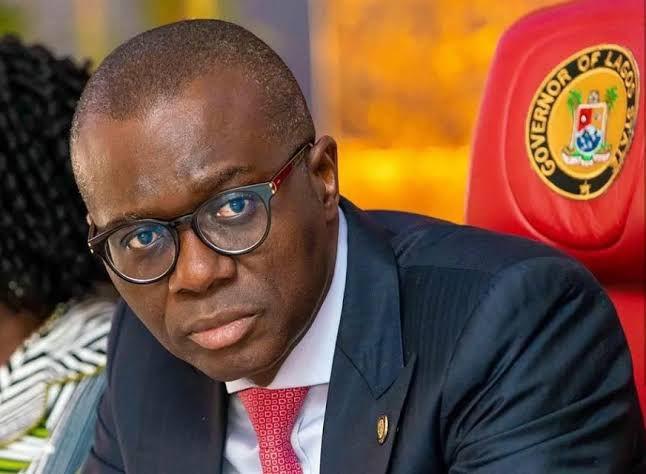
Governor Babajide Sanwo-Olu, speaking at the recent Investopia Africa summit, announced that the Lagos International Financial Centre (LIFC) will soon be officially unveiled. He explained that the initiative is being developed with international partners and is designed to boost investor confidence, improve ease of doing business, and strengthen Lagos’ global economic relevance.
The report aligns the proposed financial centre with Nigeria’s Agenda 2050 and the Lagos State Development Plan 2052, both of which focus on long-term prosperity, stronger financial systems, and attracting productive global investment. It also emphasizes the role of public-private partnerships in driving the project, combining government leadership with private sector participation to unlock growth opportunities within Nigeria’s youthful and expanding market.
Among the key elements highlighted in the report is the strategic goal of supporting Nigeria’s ambition to become an upper-middle-income country by 2050. The initiative is expected to promote inclusive growth, reduce poverty, and generate high-value employment, particularly for young Nigerians.
The report underscores the importance of strong international collaboration, especially between Nigeria and the United Kingdom, drawing on global best practices to ensure the Lagos International Financial Centre meets international standards. It also recommends the adoption of an independent IFC governance model to provide regulatory clarity, simplified tax and policy structures, and stronger investor confidence.
To maximize its competitiveness, the proposed centre will initially focus on three core areas identified as having the strongest potential for economic impact and investor interest: Green and Sustainable Finance, FinTech and Innovation, and Commodities Trading and Capital Markets. These sectors are considered critical drivers of Nigeria’s future growth and global competitiveness.
The roadmap further calls for comprehensive legal and regulatory reforms, including the establishment of a strong and independent governance structure and closer collaboration among the Lagos State Government, the Federal Government, and private sector stakeholders to ensure effective implementation.
Human capital development also features prominently in the plan, with recommendations to strengthen domestic talent, create a pipeline of skilled professionals, and ease visa policies to attract international financial experts. In addition, the report proposes competitive tax frameworks, targeted investment incentives, and streamlined business processes to position Lagos as an attractive destination for global capital.
Governor Sanwo-Olu reaffirmed Lagos’ commitment to the project, describing the International Financial Centre as a critical platform for enhancing market competitiveness and facilitating seamless trading.
He noted that Lagos, as Nigeria’s largest economic and financial hub, plays a central role in the country’s capital markets and must continue to build an ecosystem capable of supporting investment flows, improving liquidity, and expanding financial literacy. According to him, the LIFC will strengthen market infrastructure, unlock new opportunities for public-private partnerships in technology and capital market development, and attract increased foreign investment.
British Deputy High Commissioner Jonny Baxter described the launch of the report as a significant step in deepening UK-Nigeria relations. He said the initiative comes at a pivotal stage in Nigeria’s reform journey and has the potential to unlock substantial domestic and international investment, expand capital markets, create employment, and drive sustainable growth across the country.
Also speaking, Managing Director, International at TheCityUK, Nicola Watkinson, highlighted Nigeria’s position as a large, dynamic, and fast-growing market. She said the Lagos International Financial Centre could play a transformative role by building a modern regulatory and business environment capable of attracting both global and domestic capital, strengthening financial markets, driving fintech and green finance innovation, and creating high-value jobs for Nigerian youth.
She added that supporting Lagos’ development as an international financial hub reflects the growing strategic partnership between the United Kingdom and Nigeria.
With the proposed centre expected to reshape investment flows and deepen financial markets, Lagos is positioning itself to emerge as West Africa’s leading international financial gateway, reinforcing its role in Nigeria’s long-term economic transformation.
About the Author