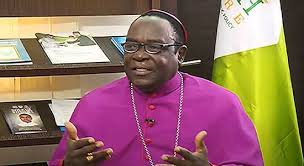
Amid ongoing debate about religious violence in Nigeria, Catholic Bishop of the Sokoto Diocese, Matthew Kukah, has dismissed claims that he trivialised or denied the persecution of Christians in Nigeria, insisting that his remarks were misunderstood and stripped of their original context.
Addressing the controversy during an appearance on radio, Kukah said he was taken aback by the reaction to comments he had made earlier. He maintained that at no point did he question the reality of violence against Christians in the country.
According to the bishop, the backlash arose from differences in how terms such as “persecution” and “genocide” are used in global conversations compared with local realities. Reflecting on a lecture he delivered in Rome, Kukah said the focus should not be on semantics but on the fact that widespread violence should never have occurred.
He argued that Nigeria’s security crisis is not limited to one religious group, noting that Muslims and Christians alike face the threat of kidnapping and attacks. Kukah warned against narrowing grief or concern to a single community, saying compassion must extend to all victims.
Beyond security, the cleric said Nigeria’s deeper problems lie in poor governance, weak accountability and widespread disregard for due process. He blamed both political leaders and ordinary citizens for failing to challenge corruption and demand better leadership.
Commenting on President Bola Tinubu’s administration, Kukah expressed concern about ongoing insecurity and growing economic hardship. He called for concrete timelines to end banditry, the closure of camps for internally displaced persons, and faster appointments to key diplomatic posts.
Kukah also criticised political apathy, saying citizens who disengage from governance cannot expect meaningful change. He urged Nigerians to embrace civic responsibility, including peaceful protest and sacrifice, rather than silence and resignation.
About the Author