Ododo says issuance is asset-backed, targets infrastructure, not recurrent spending
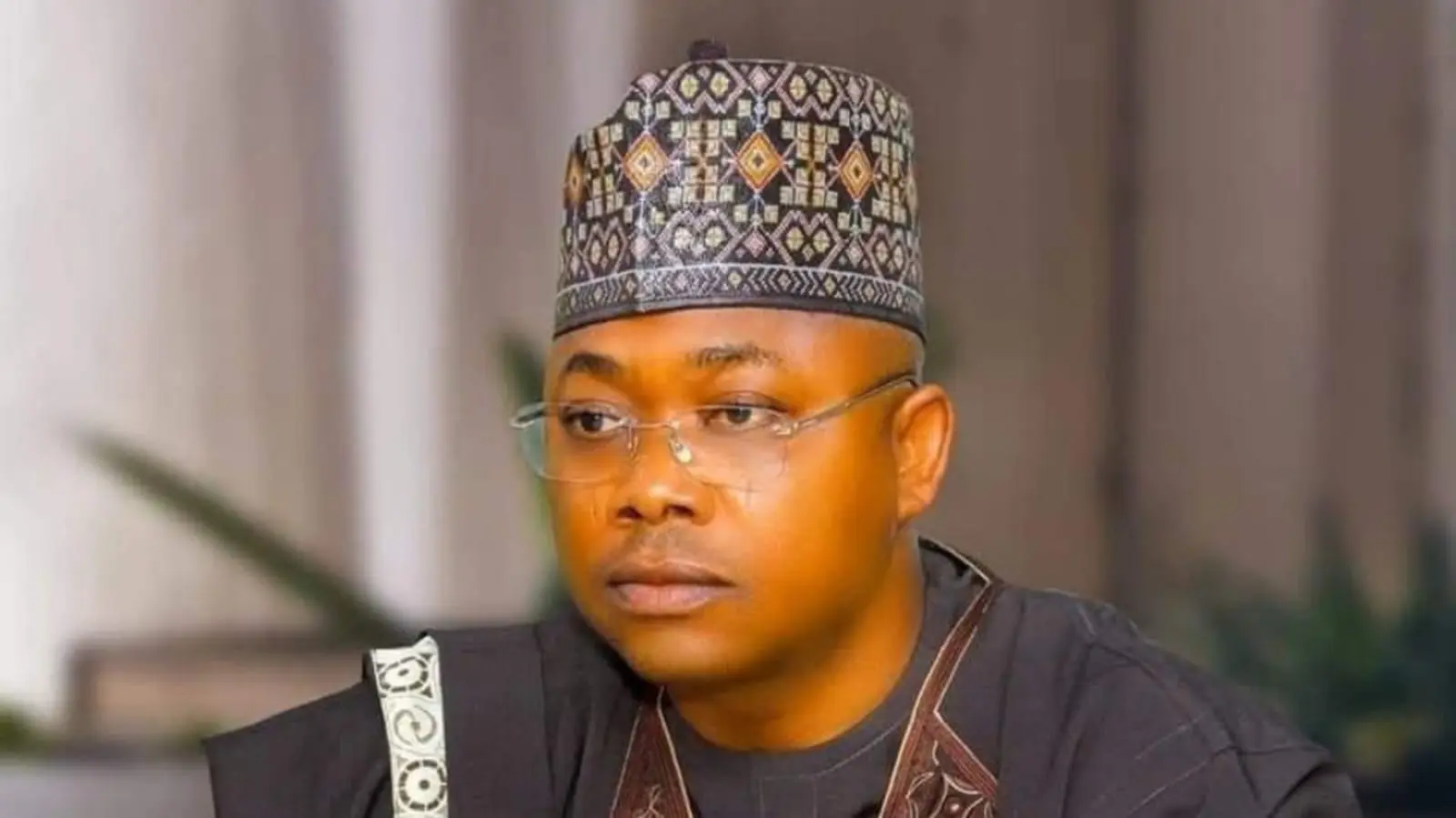
Kogi State Governor Ahmed Ododo has appealed to investors to support the state’s proposed N50 billion sukuk issuance, aimed at financing the construction of a Kogi State International Airport and the Lokoja International Market.
The governor made the call on Thursday through the Commissioner for Finance, Asiwaju Idris, during an investor engagement and market sensitisation forum organised ahead of the planned sukuk issuance.
“This engagement is not ceremonial; it is deliberate and purposeful,” Ododo said in his address to investors. “It is about trust, transparency, creditworthiness, and long-term value creation.”
Ododo said the state’s decision to access the capital market was driven by strategy rather than financial pressure, stressing that Kogi is pursuing infrastructure financing to fast-track development and productivity.
“We are approaching the capital market not out of fiscal distress, but out of strategic ambition,” he said. “Our goal is to accelerate infrastructure delivery, unlock productivity, and align today’s investments with a clearly defined long-term development vision.”
The governor noted that Kogi operates a 32-year development plan, which provides policy stability and predictability in the deployment of capital.
He added that the state’s financial profile has improved, citing its recent credit assessment.
“Fitch Ratings has assigned Kogi State a ‘B’ rating with a stable outlook, reflecting improved financial management, prudent debt practices, and a growing capacity to meet debt service obligations,” Ododo said.
According to him, the proposed N50 billion sukuk is strictly asset-backed and will be used exclusively to fund two major infrastructure projects.
“The sukuk is dedicated to financing two transformational projects of strategic economic importance to Kogi State,” he said. “The Kogi State International Airport is a catalytic project that will improve logistics efficiency, attract private investment, support agro-exports, and ease business travel.”
He explained that the Lokoja International Market is expected to formalise trade activities, boost internally generated revenue, create thousands of jobs, and strengthen urban economic growth.
Ododo assured investors that proceeds from the sukuk would not be diverted to recurrent expenditure.
“The funds will be applied solely to infrastructure projects that expand productivity and strengthen the state’s long-term repayment capacity,” he said.
Addressing security concerns, the governor said the state is implementing technology-driven and institutional security measures to protect investments.
“We recognise that capital is risk-sensitive, and security is non-negotiable for investors,” he added.
Speaking after the engagement, Finance Commissioner Asiwaju Idris said the session helped clarify the state’s financing strategy and project priorities.
“Today, we clearly laid out the state’s plan for the Kogi State International Airport and the Lokoja International Market,” Idris said.
He disclosed that both projects have been captured in the 2026 budget and are aligned with Kogi’s long-term development framework.
“We are optimistic that we will conclude the process shortly, raise the funds, and deliver the projects within the planned timelines,” he added.
Also speaking, Kayode Fadahunsi, Managing Director of Ava Capital Partners and lead financial adviser on the transaction, said investors were satisfied with the explanations provided by the state government.
“I am very satisfied with the responses from the state,” Fadahunsi said, adding that infrastructure-backed sukuk transactions can generate sustainable revenue streams.
“These projects can literally pay for themselves not for consumption, but for infrastructure development and long-term economic returns,” he said.
About the Author