Aviation minister says deregulation limits FG’s role in price control as major airport upgrades get FEC approval
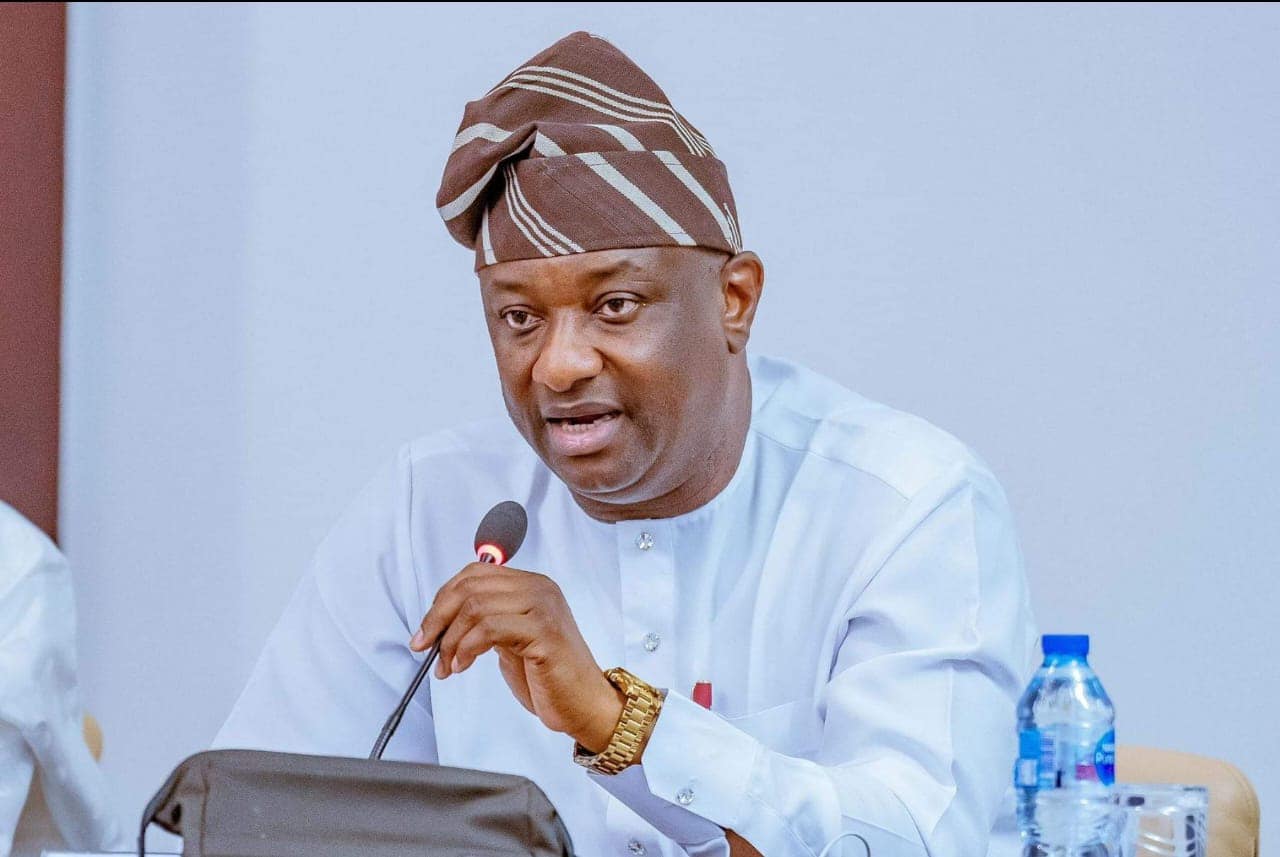
Minister of Aviation and Aerospace Development Festus Keyamo has attributed the sharp rise in domestic airfares to a shortage of aircraft, costly leasing arrangements, and limited local maintenance capacity.
Keyamo was reacting to concerns raised by the Senate, which summoned him and key aviation stakeholders over the escalating ticket prices on local routes. The motion, sponsored by Senator Abdulfatai Buhari (Oyo North), warned that the surge in fares threatens national mobility and could disrupt travel during the upcoming festive season.
FG Cannot Fix Air Ticket Prices — Keyamo
Speaking to journalists after Wednesday’s Federal Executive Council (FEC) meeting, Keyamo stressed that the federal government has no legal authority to regulate or cap airfares.
He noted that Nigeria’s aviation sector has been fully deregulated since the administration of former military ruler Ibrahim Babangida, meaning airlines are free to set their own prices.
“Government has absolutely no powers to fix prices for private enterprises. That is what deregulation means. But that does not mean we are leaving the airlines without engagement,”
Keyamo said.
The minister explained that he could not attend the Senate meeting due to the FEC session, adding that the Nigerian Civil Aviation Authority (NCAA) and airline operators attended on his behalf.
Why Airfares Are Rising
Keyamo listed several cost drivers currently affecting domestic ticket prices, including:
- Limited aircraft availability
- High leasing rates
- Insufficient local maintenance infrastructure
- The need for airlines to spend foreign exchange on overseas safety and technical checks
He, however, announced a positive development: an international aircraft lessor has returned to the Nigerian market after nearly 20 years, enabling a local airline to secure a dry lease at only one-third of the previous cost.
“With cheaper dry leases coming in, more airlines will have access to aircraft. More aircraft automatically means stronger competition. And competition is what brings prices down in any free economy,”
he said.
Keyamo expressed confidence that fares will drop as more planes rejoin active service.
Multiple Taxes a Burden — But Not Under Aviation Ministry
Responding to recent ECOWAS concerns over excessive aviation taxes and charges, Keyamo acknowledged receiving advisory notices urging relief for operators. However, he clarified that tax policy is outside the aviation ministry’s control.
He said he has formally communicated the matter to fiscal authorities and discussions are underway.
FG Approves Nationwide Airport Infrastructure Upgrade
Keyamo also revealed that the Federal Executive Council approved a wide range of airport infrastructure upgrades across the country, in line with President Tinubu’s directive to modernise aviation facilities and enhance safety.
Key approvals include:
- Advanced Runway–Safety Technology
- Installation of Advanced Surface Movement Guidance and Control Systems (A-SMGCS) in Lagos and Abuja to detect runway obstructions.
- New Control Towers
- Construction of modular control towers in eight airports.
- VHF Radio Communication Upgrades
- Upgrades to communications systems in nine airports including Lagos, Abuja, Port Harcourt, Ilorin, Kano, Maiduguri, and Sokoto.
- Biometric e-Gates at International Airports
- Installation of biometric-enabled electronic gates at all international airports to speed up passenger processing.
Keyamo also confirmed the extension of the CCECC maintenance contract for the new terminal at Aminu Kano International Airport.
“We have approval for the provision of biometric-enabled electronic gates, the popular e-gates, to fast-track passenger clearance at all our international airports,”
the minister noted.
About the Author