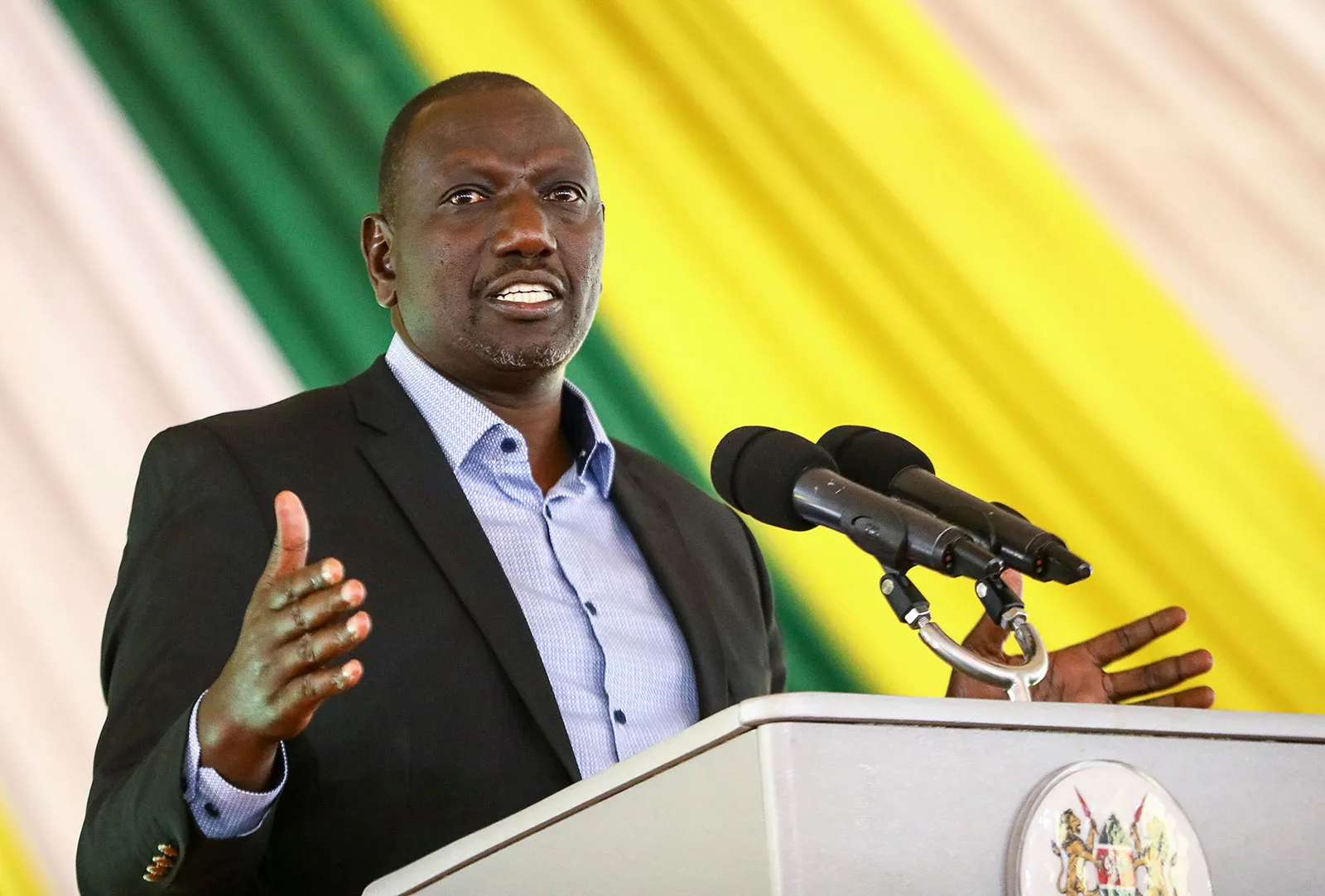
Kenya’s President William Ruto has announced plans to reopen the country’s border with Somalia in April, almost 15 years after it was closed due to attacks by the Islamist militant group al-Shabab.
The closure followed a series of deadly assaults orchestrated by the Somalia-based group, including the 2013 Westgate shopping mall attack in Nairobi, which killed 67 people, and the 2015 Garissa University attack that left 148 dead. Other major incidents include the 2014 Mandera bus killings and a 2019 hotel attack in Nairobi.
Ruto, speaking during a visit to Mandera town near the border, said the move follows extensive security assessments. He confirmed that security forces would be heavily deployed to ensure safety and prevent the smuggling of weapons and other contraband.
“It is unacceptable that fellow Kenyans in Mandera remain cut off from their kin and neighbours in Somalia due to the prolonged closure of the Mandera Border Post,” Ruto posted on X. He added that reopening the crossings would enhance cross-border trade, promoting “mutual prosperity” for people on both sides.
The president also urged local residents to cooperate in the fight against al-Shabab, stating: “These al-Shabab are useless. I want to assure that Kenya will work together with you; just help us combat these criminals and terrorists.”
Kenya had previously attempted to secure its 680km (423-mile) border with a perimeter barrier in 2015, but the $35 million project was suspended after only 10km (6 miles) of fencing was completed. The reopening marks a significant step in restoring connectivity while maintaining vigilance against ongoing militant threats.
Melissa Enoch
About the Author