Kenya is seeking a labour agreement with Russia to stem illegal military recruitment of its citizens. Officials say formalising employment talks with Moscow could help protect Kenyans from exploitation, though critics warn such arrangements risk exposing more people to forced drafting into the Russian army.
Kenya’s Prime Cabinet Secretary, who is also the Foreign and Diaspora Affairs Cabinet Secretary, Musalia Mudavadi, is scheduled to travel to Moscow for high-level talks aimed at verifying the status of Kenyans reportedly trapped in Russian hospitals, negotiating the release of those held in captivity in Ukraine, and exploring a bilateral labour agreement to guarantee legal and safe employment opportunities.
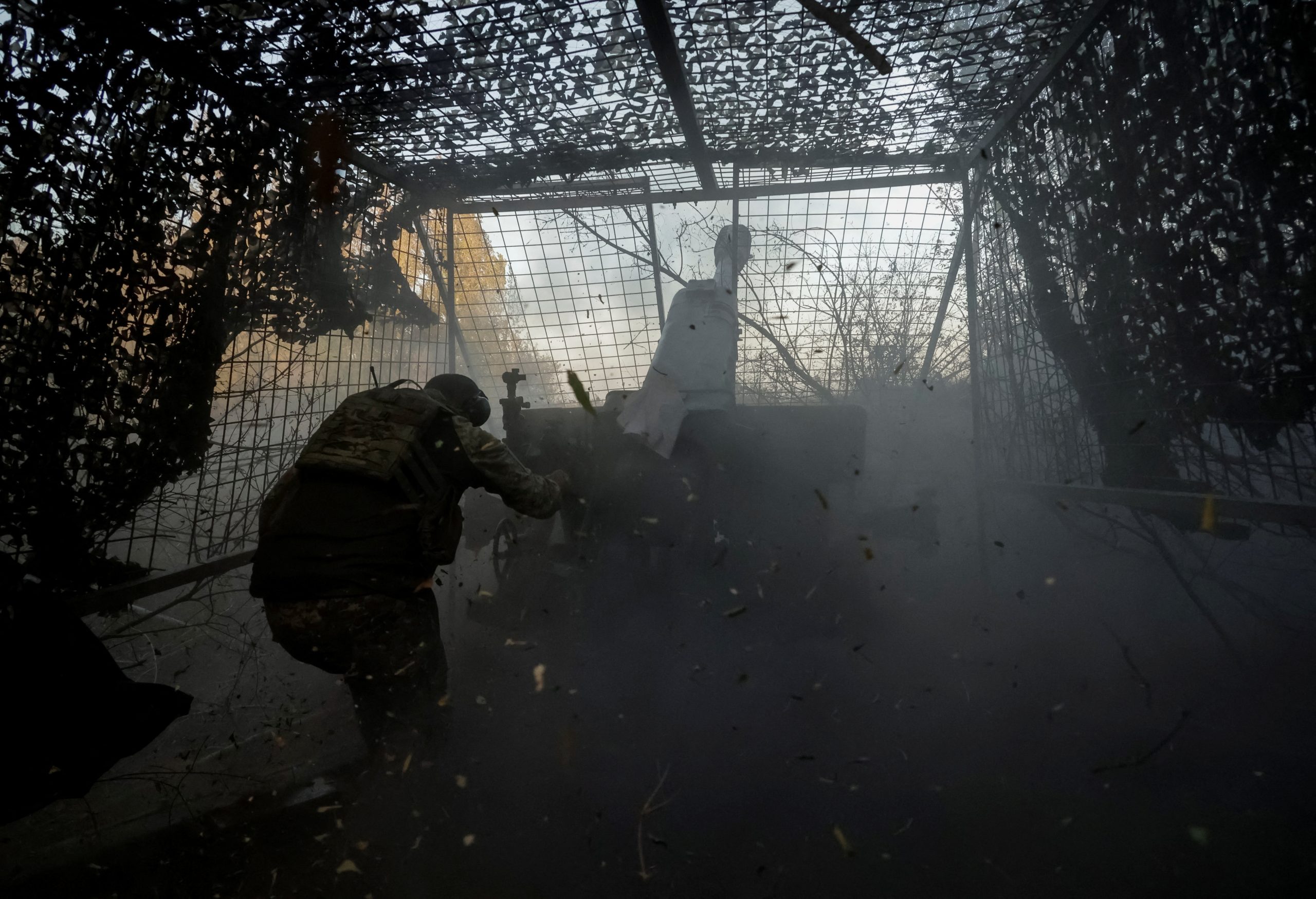
His imminent visit follows incidents in which dozens of Kenyans were caught on the battlefield fighting for Russia, killed, or managed to escape after being lured into combat.
Mudavadi says the Kenyan government is concerned about reports that several Kenyans are increasingly being recruited and deployed to the frontlines, while others injured in the war remain in distress in Russian hospitals. Nairobi formally protested to Moscow late last year, but Russia denied authorising illegal recruitment.
However, with the flow of Kenyans heading to Russia to join the army increasing, Kenya feels compelled to hold talks on a possible deal that would make it illegal for its citizens to enlist in the Russian military.
Many Kenyans said they were lured with promises of civilian jobs, only to find themselves deployed to the frontlines of the Russia–Ukraine conflict. A smaller group has since appeared in videos defending their decision to fight for Russia, though it is unclear whether those videos were made under duress.
Families and communities have expressed alarm at the risks their loved ones face, including injury, detention, or death, prompting urgent government action to verify their status and secure their safe return.
“I am praying to the government to help me. He has left me with two children, and I have nothing. Please help me. I have no means. To our President, I ask: please help. I don’t know how my husband’s body can come home. I have tried since last year to find a way,” said Grace Gathoni, widow of Martin Macharia Mburu, a man from Ruaka, Kiambu, who became the first officially confirmed Kenyan fatality in the war in Ukraine.
During his visit, the Prime Cabinet Secretary is also expected to verify the status of Kenyans and begin talks on a formal labour agreement between Nairobi and Moscow.
“The high-level engagements will include negotiations for the unconditional release of all Kenyans recruited into the Russian army. This should pave the way for the establishment of a Bilateral Labour Agreement with Russia, which will ensure access to legal, genuine, dignified and safe job opportunities in Russia,” said Dr Mudavadi.
Yurii Tokar, the Ukrainian Ambassador to Kenya, warned that Kenya’s planned labour deal with Russia could unintentionally put Kenyan citizens at risk of being sent to the Russian frontline. He expressed concern that while the agreement is framed as a civilian labour and employment arrangement, reports indicate that some individuals who travel to Russia for work may face pressure or misleading practices that could involve them in military activities.
“Against the backdrop of Russia’s ongoing war of aggression against Ukraine, recognised by the United Nations, it is important to be clear: any foreign national recruited into Russia’s armed forces becomes a direct participant in the war against Ukraine.
“This creates a serious risk that labour and migration arrangements could, in practice, be used to supply additional manpower for the war,” Tokar told the Nation.
He further warned that foreign nationals, including Kenyans and other Africans, are increasingly at risk of being drawn into the Russian armed forces. He noted that some individuals who initially travelled to Russia for civilian or employment purposes have reportedly faced pressure or misleading practices that led to their involvement in military activities.
“We are increasingly concerned by credible reports indicating that foreign nationals, including individuals from African countries, are being drawn into the armed forces of the Russian Federation.
Available information suggests that some people who initially travelled to Russia for civilian or employment purposes later found themselves exposed to pressure or misleading practices that led to their involvement in military activities,” he said.
“Under international law, states are expected to take reasonable steps to ensure that labour and migration channels are not used in ways that contribute to an ongoing armed conflict. Clear limits and effective safeguards are therefore essential to prevent labour migration from becoming a pathway into participation in Russia’s war against Ukraine,” he added.
Korir Sing’Oei, Principal Secretary at the State Department of Foreign Affairs, Ministry of Foreign and Diaspora Affairs, admitted that the situation has presented the Kenyan government with a dilemma between providing overseas employment opportunities and protecting citizens from exploitation.
“Our global labour strategy emphasises the need to prepare Kenyans to tap emerging opportunities, while our National Employment Authority vets agents and registers them,” he told the Nation. “Within that system, many Kenyans access legitimate opportunities, but unscrupulous agents have also taken advantage of citizens and exposed them to unfortunate situations in different markets.”
The Kenyan Mission in Moscow has evacuated more than 30 citizens in distress. Some were injured, traumatised, or detained and required urgent assistance.
“The unfortunate thing is that a number of Kenyans have been recruited under false pretences. They were told they would work in special economic zones or other civilian sectors, only to find themselves on the frontline. We are warning citizens: any job offer from Russia at this time carries serious risks. Before leaving, young people must provide evidence of contracts and sign an agreement acknowledging they have been warned,” he said.
About the Author