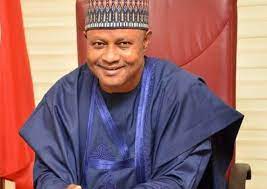
In a bold step aimed at strengthening the education sector and recognising the invaluable contributions of teachers, Kaduna State Governor, Senator Uba Sani, has approved improved service conditions for teachers across the state.
With effect from August 1, 2025, the mandatory retirement age for teachers has been extended from 60 to 65 years, while the maximum length of service has been increased from 35 to 40 years. The policy also introduces a special allowance for teachers posted to rural and hard-to-reach communities, further incentivising service in underserved areas.
The Commissioner for Information, Ahmed Maiyaki, disclosed that the approval is in line with the Harmonised Retirement Age for Teachers Act, 2022, enacted by the National Assembly.
The Act exempts teachers from the general public service retirement benchmark of 60 years or 35 years of service, in recognition of their critical role in national development.
Maiyaki explained that a circular formally conveying the Governor’s approval has been issued by the Office of the Governor and signed by the Permanent Secretary (Establishment), Mrs. Felicia I. Makama, directing all relevant ministries, departments, and agencies to ensure full compliance.
According to the Commissioner, the decision underscores Governor Sani’s unwavering commitment to improving workers’ welfare and revitalising the education sector.
He noted that the Governor considers experienced teachers indispensable to delivering quality education and sustaining positive learning outcomes across Kaduna State.
“This policy is designed to honour years of dedicated service, retain invaluable experience in our classrooms, and inspire greater productivity for the benefit of our children and the future of Kaduna State,” Maiyaki stated.
The circular further indicated that detailed implementation guidelines would be issued by the State Civil Service Commission in due course.
Governor Sani expressed confidence that the new policy would boost teacher morale, enhance retention of skilled educators, and significantly improve educational standards across the state. He reaffirmed his administration’s broader commitment to strengthening public institutions and investing strategically in human capital development.
About the Author