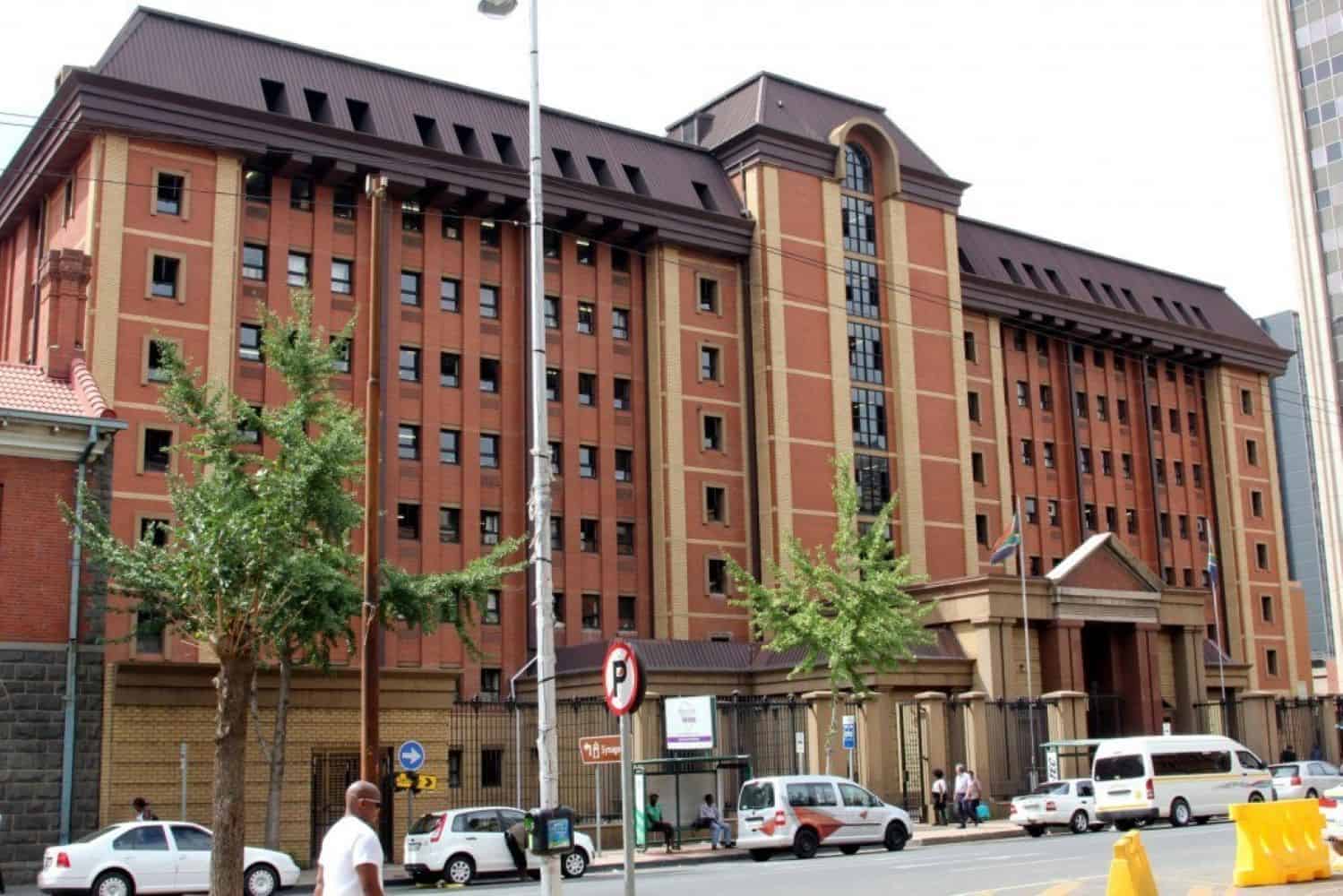
Consumer advocates have long complained of the high courts being used to collect relatively trivial amounts of money. Here’s more evidence of it.
A judge in the Johannesburg High Court went off on lawyers for the Centenario Body Corporate for bringing a claim of under R18 000 before the court, despite evidence the homeowner had made payments in terms of an acknowledgment of debt (AOD).
The homeowner later claimed the payments were being used for other things than debt repayment, and that several illegitimate charges were being made to his account, chief among these being payments to the body corporate’s lawyers.
There also appeared to be illegitimate water charges made to the account. These were issues that should be decided by trial.
There is a body of case law dealing with the limits of body corporates to lawfully charge homeowners. In this case, the homeowner signed an AOD.
Perspective
“The relatively small amount claimed in the context of high court costs of process is cause for concern. Prima facie, I accept that the claiming of an amount of little more than R17 000 in the high court is uneconomical when reference is had to costs,” ruled Judge Denise Fisher.
The body corporate’s lawyers appear to be in control of the debt collection process, which arguably meant it had abdicated its statutory function to manage the complex in a fair and proper manner.
The attorneys in the case are Schüler Heerschop Pienaar who, the judge noted, regularly set down matters for summary judgment in the court.
A summary judgment is where there is no genuine dispute of facts and one party claims it is entitled to a win without having to go to trial.
Conflict of interest
It was unclear to the court who gave directions to recover debts by way of litigation – the body corporate or the lawyers.
The approach adopted by the body corporate appears to be to enlist the assistance of the attorneys in drafting AODs, with the attorneys then adding their own charges and then approaching the high court to collect on these charges.
There is reasonable expectation that once an AOD has been signed by the homeowner “there will be no examination of the underlying charges and it will be difficult for the defendant to raise a bona fide defence,” reads the judgment.
“If the attorneys are motivated by the collection process, including the institution of litigation which generates payment of their fees, as determined by themselves, on the basis that these fees are recovered directly from the defendant owner and not their client there may be conflicts of interest which have a bearing on the individual homeowners’ rights with reference to their participation in the plaintiff.”
If this is the case, the attorneys’ costs are likely to be at least five times more than the R17 981 being claimed – probably more.
This potentially places the already financially distressed homeowner under a cost spiral that could result in the home being attached or the homeowner declared insolvent. These results of this practice are seen regularly in the unopposed courts, said the judge.
“Arguably, the approach taken is an abuse of the High Court process, but this need not be determined at summary judgment stage.”
Judge Fisher granted the homeowner leave to defend the matter and marked the ruling “of interest to other judges”.
This article was republished from Moneyweb. Read the original here.
About the Author