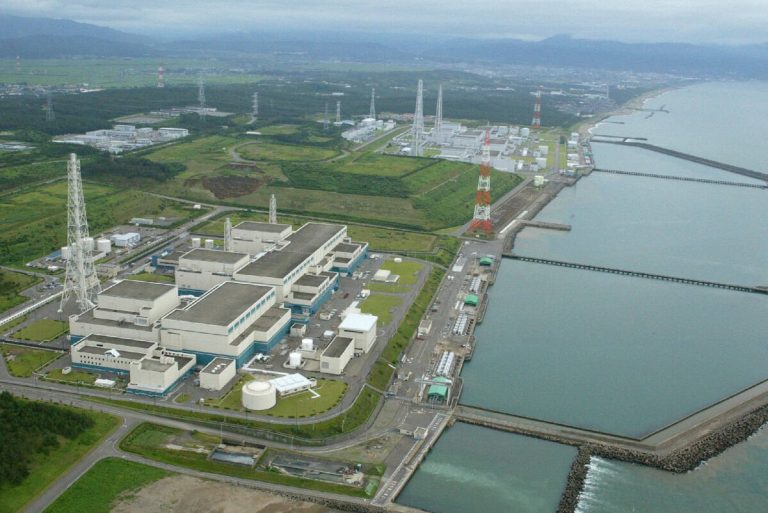
Japan is set to restart the world’s largest nuclear power plant on Wednesday for the first time since the 2011 Fukushima disaster, a move that has reignited safety concerns among local residents despite official approval.
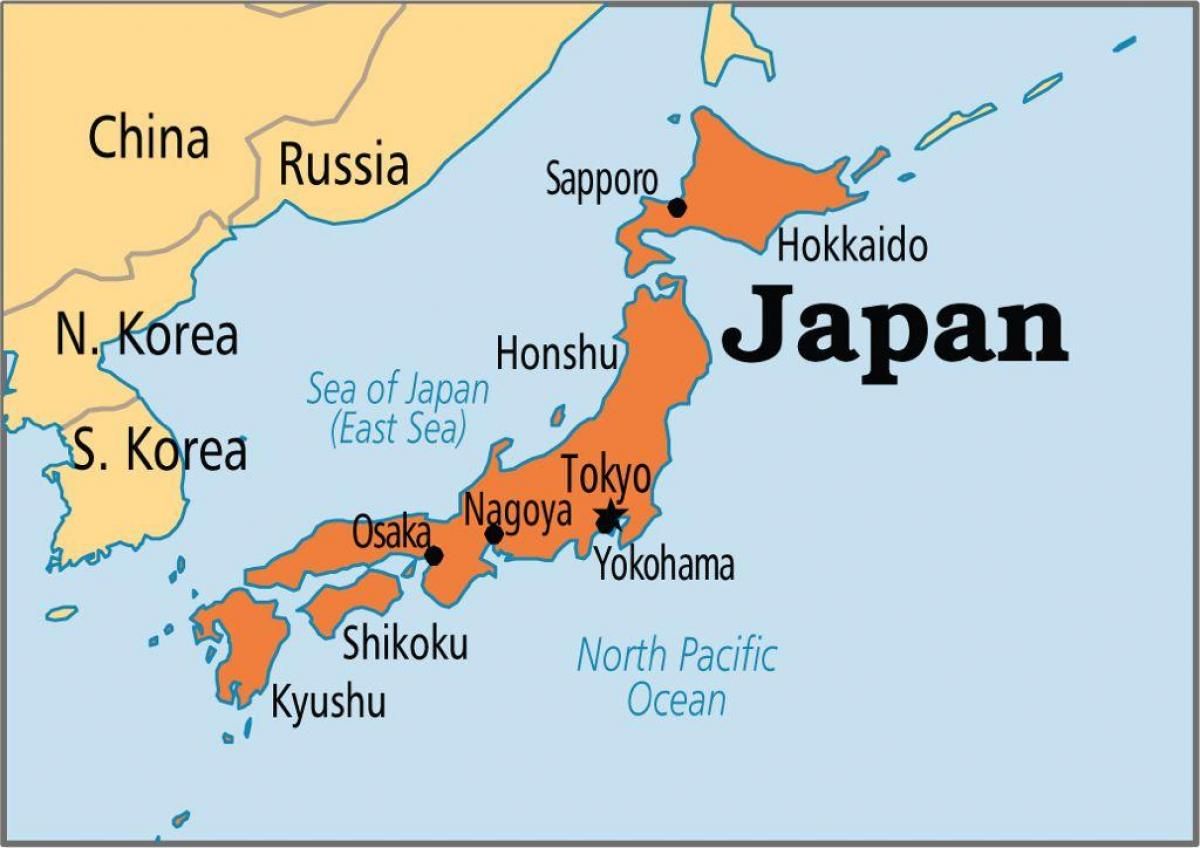
Tokyo Electric Power Company (TEPCO), the operator of the Kashiwazaki-Kariwa nuclear facility in Niigata Prefecture, said preparations were complete after receiving final regulatory clearance. The company announced it would remove the control rods after 7:00 p.m. local time and begin reactor start-up procedures.
The restart follows approval granted last month by Niigata Governor Hideyo Hanazumi, though public opinion in the region remains deeply divided. A survey conducted in September showed that about 60 percent of residents oppose the resumption, while 37 percent support it.
On Tuesday, dozens of protesters—many of them elderly—gathered in freezing, snowy conditions near the plant’s entrance along the Sea of Japan coast to voice their opposition.
“It’s electricity for Tokyo that’s produced here, so why should people in this community bear the risk?” said 73-year-old resident Yumiko Abe. “That simply doesn’t make sense.”
Kashiwazaki-Kariwa is the world’s largest nuclear power station by installed capacity, although only one of its seven reactors is scheduled to restart on Wednesday.
The plant was shut down after a massive earthquake and tsunami in March 2011 triggered meltdowns at the Fukushima Daiichi nuclear plant, also operated by TEPCO, prompting Japan to suspend nuclear power nationwide.
Nearly 15 years later, Japan is gradually reviving its nuclear sector as it seeks to reduce reliance on imported fossil fuels, meet rising energy demand—particularly from artificial intelligence technologies—and achieve carbon neutrality by 2050. Prime Minister Sanae Takaichi has been an outspoken supporter of nuclear energy as part of the country’s long-term energy mix.
So far, 14 reactors—mainly in western and southern Japan—have been cleared to resume operations under stricter safety regulations, with 13 currently running as of mid-January. The Kashiwazaki-Kariwa restart marks the first post-Fukushima revival of a TEPCO-operated reactor.
For many residents, however, the wounds of the Fukushima disaster remain fresh.
“Fukushima is still not under control, and TEPCO wants to restart another plant,” said 81-year-old protester Keisuke Abe. “For me, that’s absolutely unacceptable.”
Persistent Fears
The sprawling Kashiwazaki-Kariwa complex has undergone extensive safety upgrades, including the construction of a 15-metre-high tsunami wall, reinforced emergency power systems, and other disaster-prevention measures.
Despite these improvements, residents remain unconvinced. Critics cite TEPCO’s history of cover-ups, recent technical faults, and evacuation plans they describe as unrealistic.
“I don’t think evacuation is possible in a real emergency,” said 79-year-old Kariwa resident Chie Takakuwa.
Earlier this month, seven civic groups opposing the restart submitted a petition with nearly 40,000 signatures to TEPCO and Japan’s Nuclear Regulation Authority. The petition highlighted the plant’s location near an active seismic fault and recalled that it was damaged during a strong earthquake in 2007.
“We cannot eliminate the fear of another unforeseen earthquake,” the petition stated. “Making people anxious and fearful just to send electricity to Tokyo is intolerable.”
Energy Push Amid Scandals
Before the 2011 disaster—which killed about 18,000 people, mostly from the tsunami—nuclear power accounted for roughly one-third of Japan’s electricity supply.
Today, nearly 70 percent of the country’s electricity still comes from coal, gas, and oil. The government aims to reduce that figure to 30–40 percent within 15 years, increasing the share of renewables and nuclear power. Under a plan approved in February, nuclear energy is expected to provide about 20 percent of Japan’s electricity by 2040, up from around 8.5 percent in fiscal year 2023–24.
Japan is currently the world’s fifth-largest carbon dioxide emitter, behind China, the United States, India, and Russia.
However, renewed reliance on nuclear power comes as the industry faces fresh scrutiny. Recent weeks have seen a series of scandals, including revelations that Chubu Electric Power falsified data to downplay seismic risks. At Kashiwazaki-Kariwa, TEPCO acknowledged over the weekend that an alarm system failed during a routine test.
“Safety is an ongoing process,” TEPCO President Tomoaki Kobayakawa said in an interview with the Asahi Shimbun. “Those involved in nuclear power must never become arrogant or overconfident.”
Meanwhile, Japan continues the long and complex task of decommissioning the Fukushima Daiichi plant—a process expected to take decades, and one that continues to shape public skepticism over the nation’s nuclear revival.
About the Author