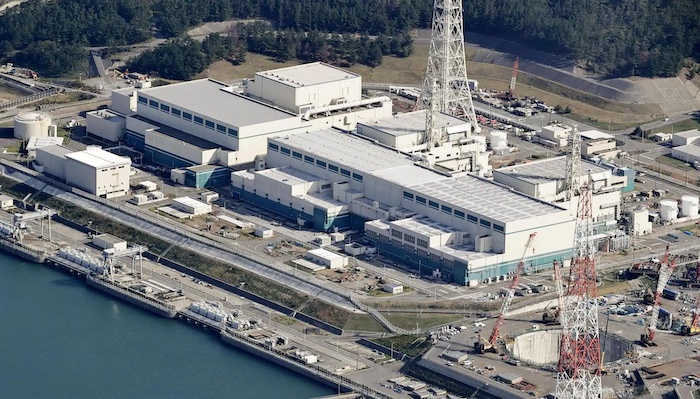
Japan has restarted Reactor No. 6 at the Kashiwazaki-Kariwa nuclear plant, the world’s largest, nearly 15 years after Fukushima forced a nationwide shutdown. The reactor experienced a one-day delay due to an alarm malfunction but is expected to begin commercial operations next month.
This restart marks a significant step in Japan’s nuclear energy revival, though the country still has a long path ahead. Only one other reactor at the plant is expected to resume by 2030, while five may be decommissioned, reducing the facility’s total capacity from 8.2 gigawatts.
Before the 2011 Fukushima disaster, nuclear power accounted for nearly 30% of Japan’s electricity. Today, it contributes just 8.5%, though the government plans for 20% by 2040. Energy self-sufficiency remains a priority, particularly with surging demand from data centers and semiconductor manufacturing.
Japan has implemented stringent safety upgrades, including 15-meter-high seawalls and watertight doors, overseen by the Nuclear Regulation Authority. Yet public fear and mistrust persist, fueled by past scandals and the ongoing release of treated radioactive water from Fukushima.
Critics warn that nuclear costs are rising due to safety regulations and question whether the industry is adequately preparing for future climate and seismic risks. Supporters emphasise nuclear power’s reliability compared with renewables and its role in Japan’s clean energy transition.
Erizia Rubyjeana
About the Author