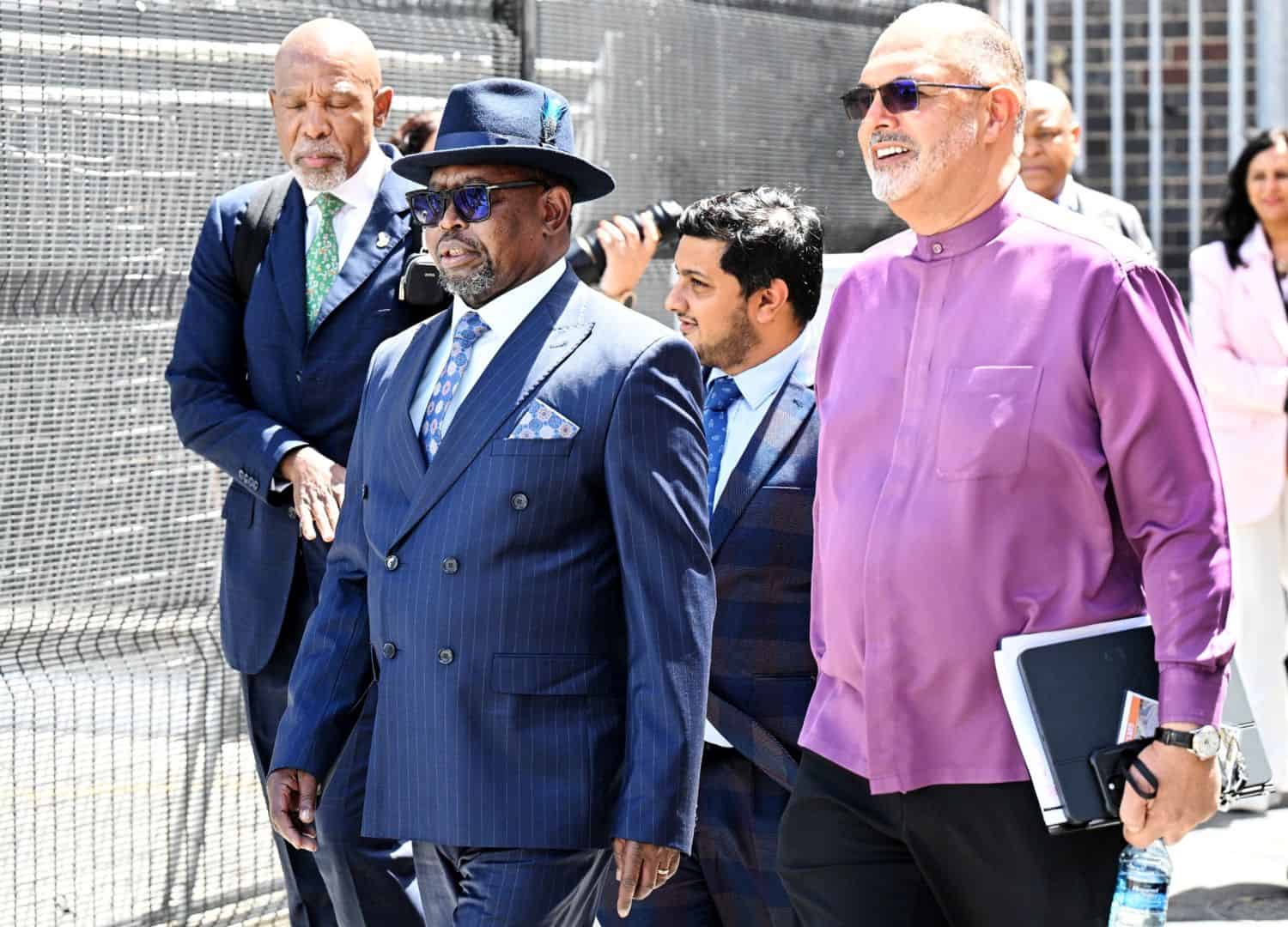
Even the critics of the government’s handling of the economy are positive about the country’s economic performance, which they believe is turning the corner, but some argue that Finance Minister Enoch Godongwana’s macroeconomic indicators mean very little for the majority of the population.
Praise for improved state revenue performance
The usually critical Efficient Group’s chief economist Dawie Roodt expressed positive sentiment about the national budget on Wednesday. Roodt praised the minister for the improved state revenue performance, which has enabled the reduction of several taxes.
Roodt said the state revenue performance is a good sign taxpayers will reap good dividends in future. “The state revenue is performing better than expected. Now, there is tax relief for the normal taxpayer in South Africa,” Roodt said.
But on the expenditure side, there were several increases which the economist believes were inevitable. “Unfortunately, this is an expectation in terms of economic growth, which is just not good enough. It seems to me that we have turned the corner regarding the stability of the fiscal accounts. But much more needs to happen,” Roodt said.
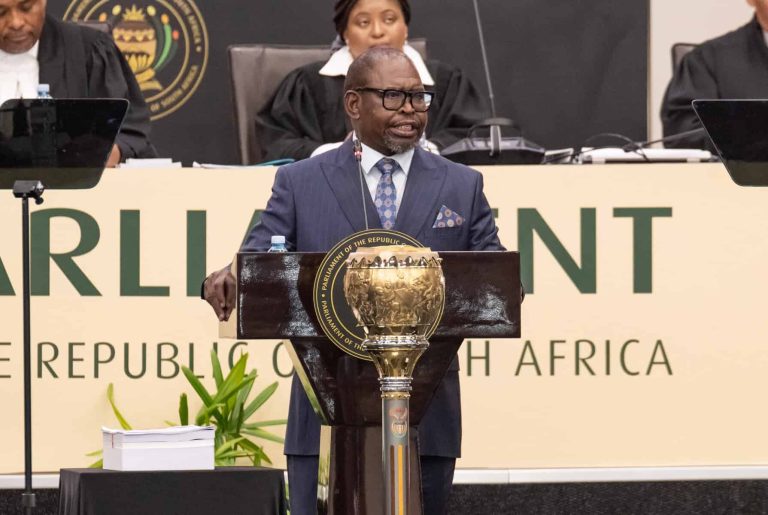
The economist was referring to Godongwana’s optimism about the tax environment while presenting the National Budget in Parliament on Wednesday. The minister said over the past three years, the state’s tax system has demonstrated resilience despite slow economic growth.
ALSO READ: R850bn public sector wage bill is government’s biggest expense
For 2025/26, the gross tax revenue is revised up by R21.3 billion compared to the estimate in the 2025 Budget and higher-than-expected net VAT, corporate income tax and dividends tax collections improved the in-year outlook.
“As a result, government has decided to withdraw the R20 billion in tax increases provisionally included in the May 2025 Budget. The improving fiscal position allows us enough room to withdraw the proposed tax increases, without putting fiscal sustainability or economic activity at risk, Godongwana said.
On the domestic front, growth outlook is steadily improving with projected real economic growth of 1.6% in 2026, up from the 1.4% estimated for 2025.
“This improvement reflects the continued strengthening of economic performance from the second half of 2025. Over the medium term, growth is expected to average 1.8%, reaching 2% by 2028.”
ALSO READ: Budget 2026: GDP expected to grow slightly – but not enough for meaningful change
However, Godongwana expressed concern about persistent logistics bottlenecks, weak public infrastructure, and the recent outbreak of foot-and-mouth disease, which continue to weigh on economic activity and pose risks to the outlook.
“In light of this, rapid inclusive growth remains our only durable path forward,” Godongwana said.
Godongwana’s optimism shot down
But Aliya Chikte, senior project officer at Alternative Information & Development Centre (AIDC), a social justice and leading source of research and information on budget austerity and debt, financialisation, tax, illicit financial flows as well as in relation to energy transitions, wasn’t as impressed by the minister’s self-praise.
“He talks about how we have a narrower deficit and restored credibility, but these macroeconomic indicators mean very little if two-thirds of the population continues to live in poverty. The source of ‘stability’ is a volatile commodity market rather than a turnaround of the engines of economic growth,” Chikte said.
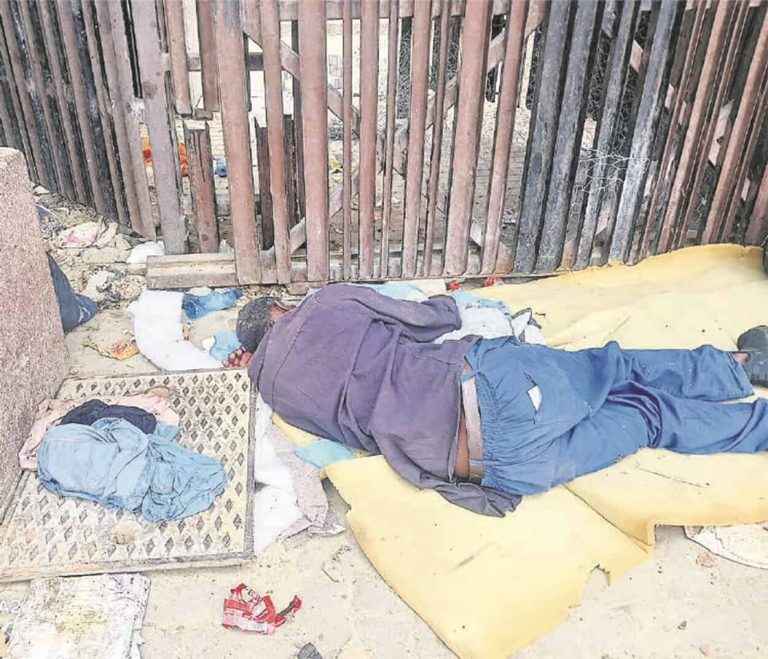
“As tax relief measures appease the elite and middle-class, the budget does not address the social crises faced by 13.6 million schoolchildren, 26.5 million grant beneficiaries and 84% of the population who struggle to receive public healthcare. Holders of medical aid now receive more cash back from the government than SRD recipients who live below the poverty line,” Chikte said.
She said while the medical aid tax credit has been adjusted for inflation, the SRD grant remains unchanged at R370. Overall, main budget non-interest spending decreases by 1%.
“The size and role of the state is shrinking over time and any improvements in economic projections will not trickle down to the people who need relief the most,” Chikte said.
READ NEXT: Social grants set to increase, Godongwana confirms
About the Author