The Middle East crisis deepened on Monday after Israeli forces struck Iran’s largest petrochemical complex and both sides traded fresh attacks.
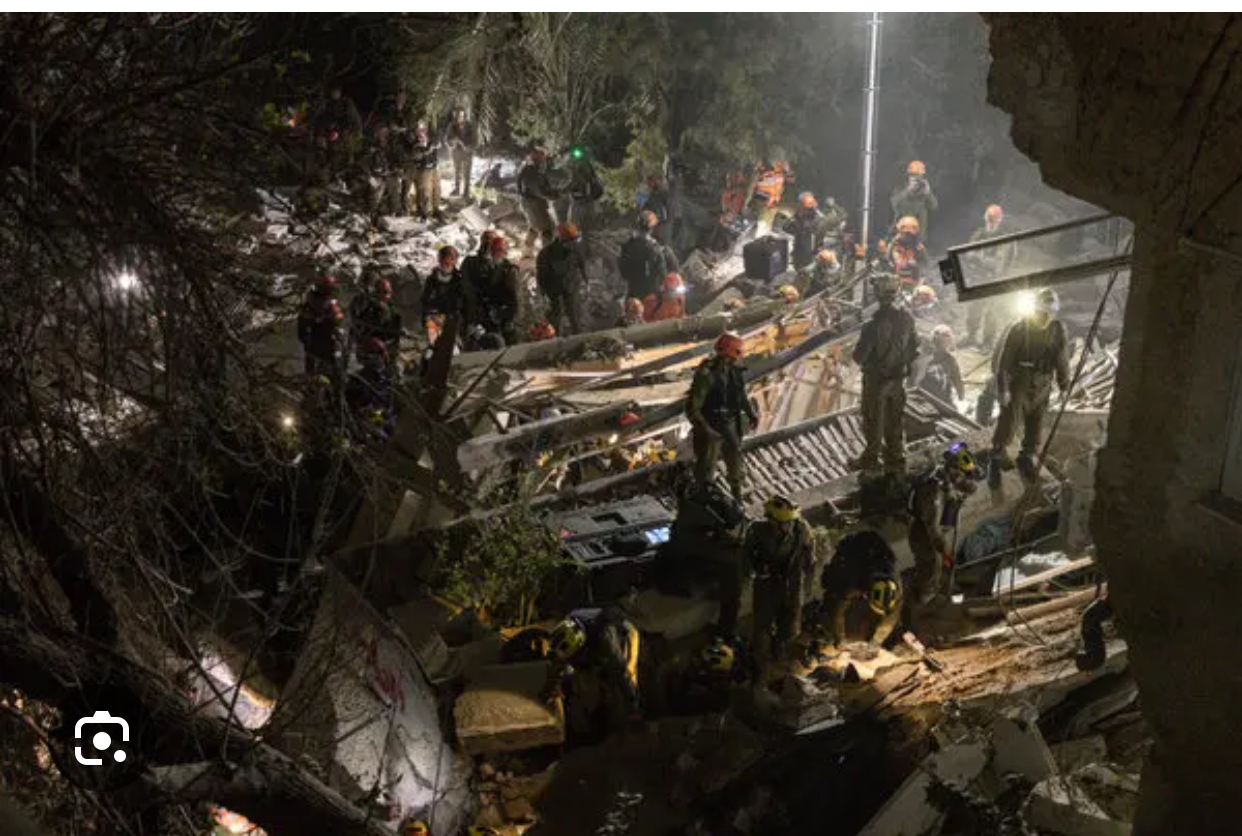
The strike targeted a major facility in Assaluyeh on Iran’s Gulf coast, with local reports confirming multiple explosions. Israeli authorities said the plant accounts for a significant share of Iran’s petrochemical production, valued at tens of billions of dollars.
In a separate operation, an Israeli strike reportedly killed a senior commander of Iran’s Islamic Revolutionary Guards Corps (IRGC), further escalating tensions between both countries.
Iran responded with drone and missile attacks launched toward Israel, as well as Kuwait and the United Arab Emirates, widening the scope of the confrontation.
Tehran warned that “much more devastating” retaliation would follow if threats from the United States are carried out. US President Donald Trump had earlier threatened to strike Iranian infrastructure if Tehran fails to reopen the Strait of Hormuz to international shipping by Tuesday night.
The Strait, a key global energy corridor, has faced severe disruption, contributing to rising oil and gas prices and prompting global concern over supply stability.
Iranian officials said the waterway “will never return to its former status”, especially for the United States and Israel, as hostilities intensify.
Israel’s Defence Minister, Israel Katz, confirmed the strike on the petrochemical facility, while Prime Minister, Benjamin Netanyahu, said Israel would continue targeting threats against its interests.
Israel also announced plans to increase production of Arrow missile interceptors as it strengthens its multi-layered air defence system amid the ongoing escalation.