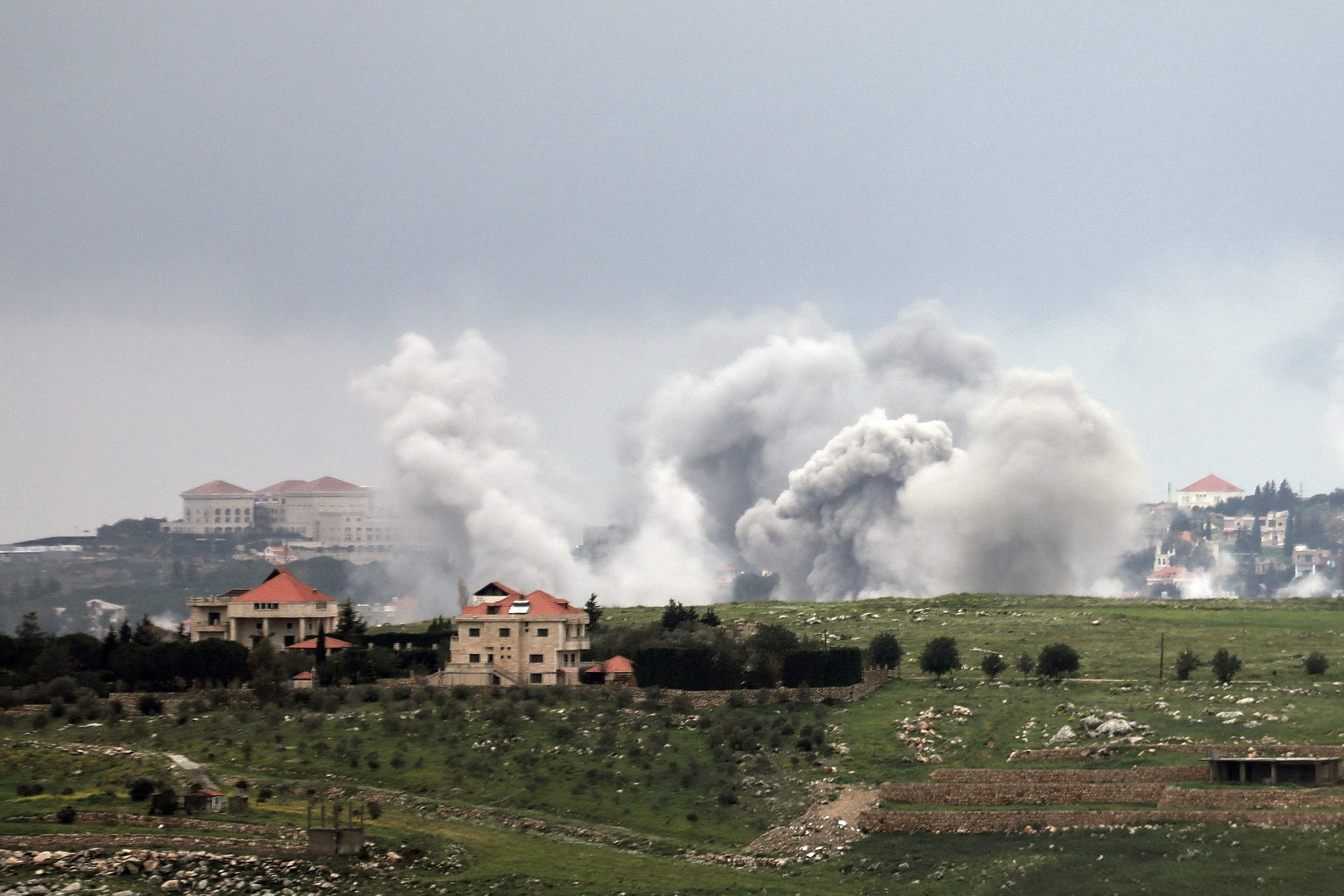
The Israeli military has approved plans to expand its ground and air operations against Hezbollah, raising fears in Lebanon of a potential large-scale ground invasion.
The escalation follows renewed hostilities earlier this month, when Hezbollah fired rockets into Israel amid the broader conflict involving the United States and Israel against Iran. Since then, violence has intensified, with Lebanon’s health ministry reporting more than 1,000 deaths, including at least 118 children and 40 health workers. Over one million people have also been displaced, heightening concerns of a looming humanitarian crisis.
According to the Israeli military, Chief of Staff Eyal Zamir has authorised plans to advance “targeted ground operations and strikes” against Hezbollah, describing the campaign as a “prolonged operation.” Israeli officials say the objective is to protect northern communities from ongoing rocket attacks.
Defence Minister Israel Katz said troops had been instructed to destroy key crossings over the Litani River, which Israel claims are being used by Hezbollah to move reinforcements. Shortly after, an Israeli air strike damaged the Qasmiye bridge near the coastal city of Tyre, a critical route linking southern and central Lebanon. The infrastructure is also widely used by civilians.
The developments have fuelled fears within Lebanon that Israel is seeking to isolate the country’s south—Hezbollah’s stronghold and a hub of the Shia community—potentially paving the way for territorial incursions or the creation of a buffer zone.
Lebanese President Joseph Aoun condemned the strikes, describing them as a “prelude to a ground invasion” and accusing Israel of pursuing a “policy of collective punishment against civilians.” He warned that the actions could signal broader ambitions to expand Israeli presence in Lebanese territory.
Katz also indicated that Israeli forces have been ordered to demolish homes in border villages, mirroring tactics used in operations against Hamas in Gaza. Those operations have involved widespread destruction and forced evacuations to establish security zones.
The latest escalation is part of a broader cycle of conflict in the region, intensified by the ongoing war involving Iran and its allies. Hezbollah’s recent attacks were reportedly carried out in retaliation for the killing of Ali Khamenei and in response to continued Israeli strikes in Lebanon despite a ceasefire agreed in November 2024.
Efforts by the Lebanese government to disarm Hezbollah have so far stalled. President Aoun has ruled out the use of force, warning that such a move could deepen sectarian divisions and trigger further instability in the country.
As tensions mount, the risk of a wider regional conflict continues to grow, with civilians on both sides facing the consequences of an increasingly volatile situation.
Melissa Enoch
About the Author