Screenshot

As the world commemorates the 16 Days of Activism Against Gender-Based Violence, Muslims are reminded that confronting injustice is not simply a global human rights responsibility, it is a deeply rooted Islamic duty.
This period invites reflection on the pain endured by women and girls, including within Muslim communities, where acts of harm and coercion continue to occur at the hands of those who should be protectors.
Islam calls believers to stand firmly against all forms of oppression, and remaining silent in the face of violence contradicts the very principles of justice and compassion that define the faith.
The Quran provides explicit guidance on how women must be treated with dignity, mercy, and fairness. Surah An-Nisa (4:19) commands: “Live with them in kindness.”
This instruction is not optional. It lays the foundation for all marital and family relationships. No interpretation of Islam can justify emotional, physical, or psychological harm against women, because such actions directly violate Allah’s commands.
Surah Al-Baqarah (2:231) further warns believers not to mistreat or coerce women or keep them in relationships against their will. These verses dismantle any cultural or patriarchal reasoning used to excuse violence within marriage or family life.
We draw lessons from Surah An-Nur (24:33) which emphasizes safeguarding individuals from harm and exploitation. Together, these teachings highlight the Quranic principles of justice (adl), compassion (rahma), and dignity (karamah). Islam envisions a society where the vulnerable are protected and where family life is built on mercy and mutual respect, not fear or domination.
The prophetic example reinforces this vision. Prophet Muhammad (PBUH) never harmed a woman, and he consistently condemned abusive behavior. He taught that “the best of you are those who are best to their wives,” firmly linking righteousness to how one treats women.
His conduct leaves no room for interpretations that allow husbands, guardians, or leaders to use violence as a tool of control. Any behavior rooted in intimidation, humiliation, or coercion contradicts the Sunnah and the ethical spirit of Islam. Unfortunately, harmful cultural practices still overshadow Islamic teachings in many communities.
Forced marriage, financial manipulation, intimidation, and other controlling behaviors are not Islamic, they are misuses of authority. When cultural norms conflict with the Quran and Sunnah, Muslims are obligated to uphold revelation over tradition. It is misleading and unjust to attribute abusive practices to Islam when the faith itself clearly rejects them.
Because of this, activism against Gender Based Violence becomes an act of faith. It falls under the Islamic mandate of enjoining good and forbidding evil (amr bil ma’ruf wa nahy anil munkar).
Muslims must challenge harmful behaviors, educate families, support survivors with compassion and confidentiality, and cultivate communities grounded in mercy. Imams, parents, educators, and youth all carry the responsibility of restoring the dignity that Islam promises to all women.
At Islamic Women’s Initiative for Justice, Law and Peace (IWILAP), we unequivocally condemn any acts of violence against women and girls. We remain committed to supporting the indigents to access free legal aid services.
In light of this commitment, we have set up the NISA Healing Cycle a safe and supportive space designed to help survivors of gender based violence to begin their journey toward healing and recovery. Ending gender-based violence is not a foreign agenda, it is a Quranic and prophetic obligation.
A moral imperative deeply rooted in Islamic principles, aligned with universal human rights standard which form clear foundation for safeguarding women’s rights and prohibiting all forms of harm or abuse.
By embracing the teachings of justice, compassion, and respect, Muslims can build communities where women are valued, protected, and empowered, in accordance with the true spirit of Islam. Together, we must stand firmly against all forms of violence against women and girls and work toward building safe, equitable and accountable societies for all.
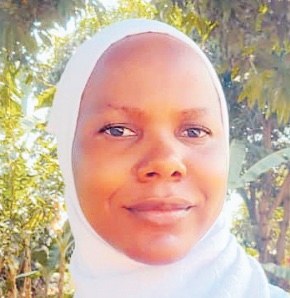
The author is Director Advancement and Programs at Islamic Women’s Initiative for Justice Law and Peace (IWILAP)
About the Author