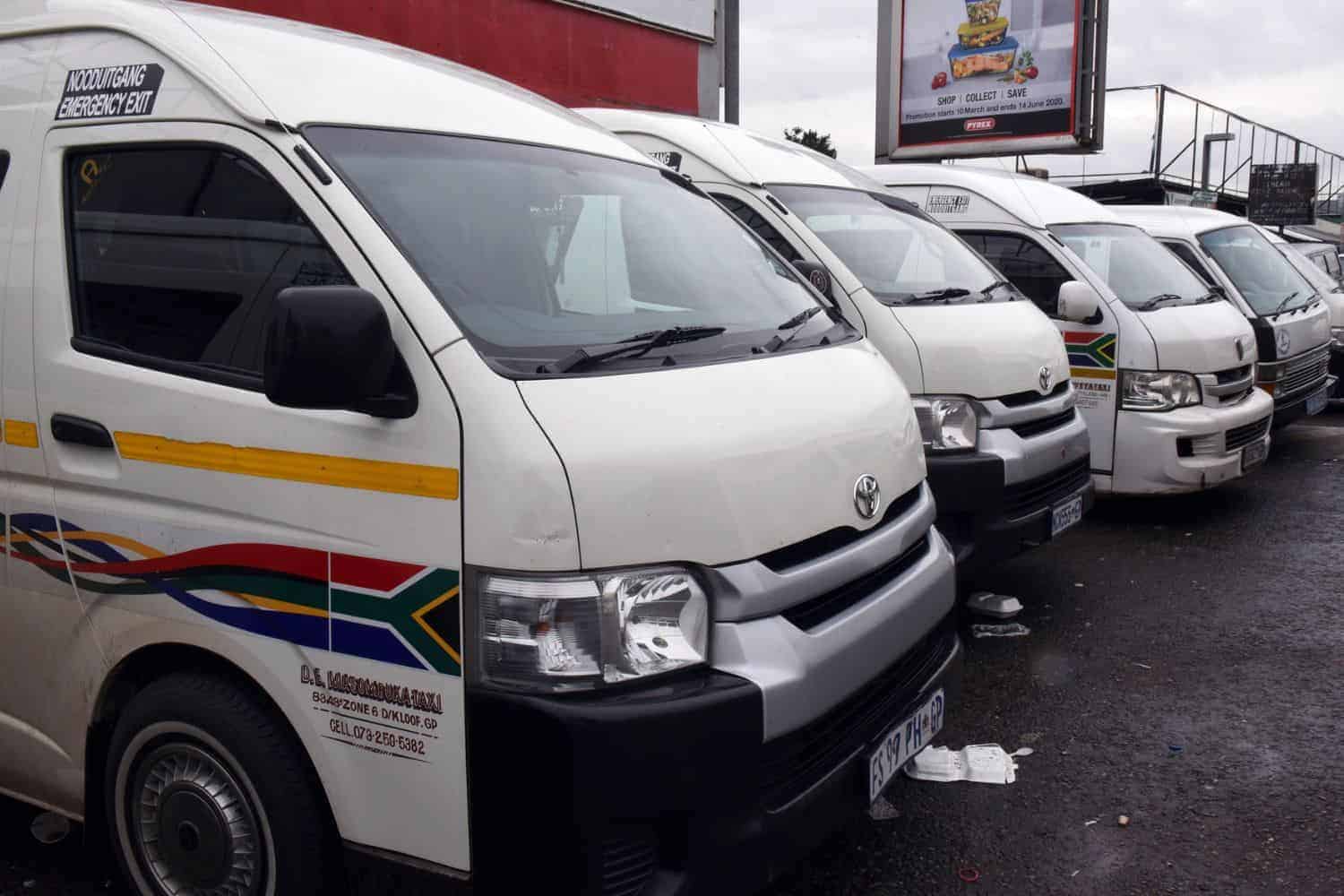
Let’s start with busting a serious myth. STIs cannot be transferred by unprotected Wi-Fi. Giving people free internet always seems like a great idea. Religious taxi owners may even get away with adding “…your data” under their existing Jesus saves rear window sticker.
Seems as good a terms-and-conditions disclaimer as any.
What will free Wi-Fi be used for?
But the internet is only as good as what you’re using it for. Far be it for me to dictate how people use the internet, but I must roll my eyes at anybody who raves about free internet and proceeds to use it to watch grannies test-driving penny-farthing bicycles on uMhlanga’s boardwalk.
Sebenza is doing a great job rolling out free internet, and Santaco has about 90% of the local taxi industry under its membership umbrella. It makes sense that they got together to roll this plan out together.
It’s even more inspiring that they did it out of the inspiration of the G20’s emphasised themes. It’s great to see that something useful to the people manifested out of the G20 and more so when the UN kind of, sort of, but didn’t declare access to the internet as a human right.
It shows the influence of real soft power, especially when there’s some value to be exchanged.
ALSO READ: Will Wi-Fi in taxis increase fare prices?
But if a couple of people get some value on accessing the internet in a taxi that they otherwise wouldn’t have got, that’s great… no matter how many others are drawn to the cycling grannies in KwaZulu-Natal.
How to make internet in taxis useful
However, this wouldn’t be valuable at all if there were no value on the internet itself. Why would we make such a big deal about accessing the net if there was nothing on there?
This begs the question, what can be done in the space of a taxi ride? More importantly, how can we direct the user to useful internet content? A landing page with free educational content, a jobs board or perhaps local stokvel membership? Now you’re talking.
That localised data can be so powerful, and given that the national data regulator seemingly seems fixated on matric results, pharmacies and little else, one could get away with doing a lot with taxi traveller data.
Naturally, giving away free internet does create a desire for some quid pro quo, even if it is hidden behind a great intention – but there’s no reason why the symbiosis can’t be one of mutualism.
ALSO READ: Forget Uber and Bolt, we may soon have a Gauteng e-hailing service
It just feels too easy to be the hero because one has taken something that people used to have to pay for and made it free, especially in circumstances where people no longer have to deal with the awkwardness of sitting next to strangers.
It’s like Superman flexing that he can stop a runaway train, but being too busy flexing that he doesn’t notice the runaway train.
But you can’t expect the people providing the Wi-Fi to make the users use it productively. You can’t even leave it to the providers to decide what’s considered useful. Whether providing internet will remain viable to them, time will tell.
Hold off on excitement for now
What we can tell immediately is that people will always use the internet for different things. Whether those things will be something to be excited for remains to be seen.
Until then, it’s great to know that the chances are available. Now to see what comes of it. We can’t be negative about it either.
Don’t get me wrong. Nobody is saying this idea is bad. This is just one that hasn’t yielded fruits yet, with very little to suggest how great those fruits will be.
Maybe it makes sense to get excited about the unknown. It’s just odd to think that one can get excited with such an array of possible results, so until we know what happens, we’re merely excited about possibilities.
Here’s to hoping they materialise.
READ NEXT: Here’s what the government can learn from EskomSePush
About the Author