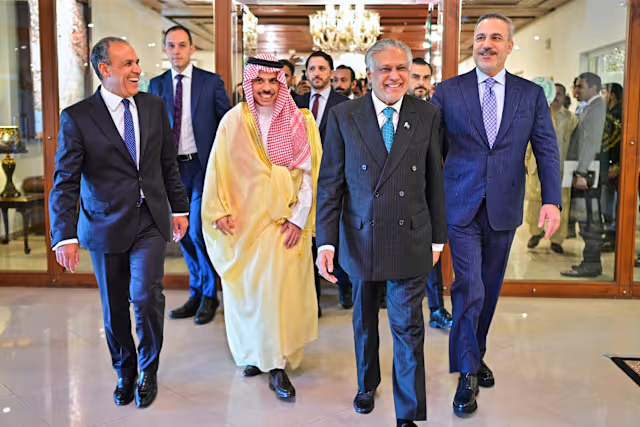
In a dramatic escalation of tensions, Iran has accused the United States of preparing a potential ground assault, declaring that it is ready to respond if American forces are deployed. The statement comes as regional powers convened in Pakistan on Sunday in an effort to mediate between the two sides.
The initial discussions in Islamabad, attended by Saudi Arabia, Turkey, and Egypt, focused on proposals to reopen the strategic Strait of Hormuz to shipping, according to sources familiar with the talks. Further meetings are scheduled for Monday.
Iran’s effective blockade of oil and gas shipments through the strait—following U.S. and Israeli attacks that began on February 28—has caused global economic disruption, affecting energy markets, food security, and supply chains. These concerns were central to the dialogue in Pakistan, the Egyptian foreign ministry noted.
Meanwhile, the conflict has intensified. Israel’s military reported launching over 140 airstrikes in central and western Iran, including Tehran, targeting ballistic missile sites, storage facilities, and other military installations within a 24-hour period.
The violence has also spilled over into Israel. A chemical plant near Beer Sheva in southern Israel was struck by a missile or missile debris, prompting public warnings due to the risk of hazardous materials. Another missile landed in open ground near residential areas in Beer Sheva, injuring 11 people and highlighting the growing regional toll.
The war has already claimed thousands of lives and caused widespread damage across the Middle East. Major aluminum plants in Bahrain and the United Arab Emirates were hit by airstrikes over the weekend.
The UAE, which has endured more Iranian missile and drone attacks than any other nation, is seeking reparations from Tehran for damage to civilian infrastructure and demands guarantees to prevent future attacks.
Pakistan has positioned itself as a mediator by offering to host peace talks. However, the maximalist positions of the United States, Israel, and Iran continue to complicate efforts to achieve a diplomatic resolution.
Iranian parliament speaker Mohammad Baqer Qalibaf criticized the U.S. for simultaneously signaling a willingness to negotiate while allegedly preparing for a ground invasion. “Tehran is prepared to respond if U.S. forces are deployed,” he said, underlining the perilous path toward de-escalation.