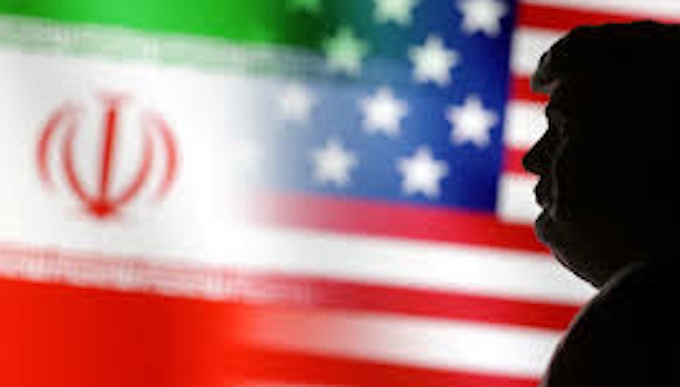
Iran and the United States began sensitive diplomatic engagements in Oman on Friday as both sides attempt to bridge deep divisions over Tehran’s nuclear programme, amid rising fears that failed diplomacy could spark another Middle East conflict.
The talks are being facilitated by Oman through indirect shuttle diplomacy, reflecting continued mistrust between Washington and Tehran despite signals from both sides that they are prepared to re-engage.
While the United States says it is open to reviving diplomacy over Iran’s nuclear activities, Washington wants the discussions to go beyond uranium enrichment. US Secretary of State Marco Rubio said on Wednesday that the talks should also address Iran’s ballistic missile programme, its support for armed groups across the region and the “treatment of their own people”.
Iran has firmly rejected any expansion of the agenda. Tehran insists discussions in Muscat should focus strictly on the nuclear issue between Foreign Minister Abbas Araqchi and US Middle East envoy Steve Witkoff. US President Donald Trump’s son in law Jared Kushner, who previously helped mediate Gaza ceasefire talks, is also expected to participate.
“Iran enters diplomacy with open eyes and a steady memory of the past year. We engage in good faith and stand firm on our rights. Commitments need to be honored,” Araqchi said on X on Friday.
An Iranian official told Reuters the talks had not formally started, although Iran’s positions had already been conveyed to the United States through Oman. The official said indirect negotiations would “possibly” begin after a meeting between Witkoff and Oman’s foreign minister, following a similar shuttle diplomacy approach used in past engagements.
Tensions remain high as Iran’s clerical leadership fears Trump could still act on threats of military strikes following a significant US Navy buildup near Iranian waters.
In June, the United States struck Iranian nuclear targets, joining the final stages of a 12 day Israeli bombing campaign. Tehran later said it had halted its uranium enrichment work.
The US naval buildup, which Trump has described as a massive “armada”, followed a violent government crackdown on nationwide protests in Iran last month, further worsening relations between the two countries.
Trump has warned that “bad things” would likely happen if negotiations fail, intensifying pressure in a standoff that has already included mutual threats of air strikes.
“While these negotiations are taking place, I would remind the Iranian regime that the president has many options at his disposal, aside from diplomacy, as the commander in chief of the most powerful military in the history of the world,” White House Press Secretary Karoline Leavitt told reporters on Thursday.
Iran maintains that its right to enrich uranium is non negotiable and continues to demand the lifting of sanctions reimposed in 2018 after Trump withdrew from the 2015 nuclear deal agreed with six world powers.
The United States, its European allies and Israel accuse Iran of using its nuclear programme as a cover to pursue weapons capability. Tehran has consistently denied the accusation, insisting its programme is solely for peaceful purposes.
Israel has repeatedly linked Iran’s missile programme to its nuclear ambitions. Prime Minister Benjamin Netanyahu said in January that Iran’s “attempt to build atomic weapons” and “20,000 ballistic missiles” were like “two lumps of cancer”.
Iran’s regional influence has also weakened significantly, with its allies known as the Axis of Resistance either dismantled or severely damaged since the start of the Hamas Israel war in Gaza and the fall of Bashar al Assad in Syria.
Faridah Abdulkadiri
About the Author